




Car & SUV Bumper Height Differences are Costly in Low-Speed Crashes
The difference in bumper height between cars and sport/utility vehicles leads to costly accident repairs even after low-speed crashes, an insurance group reportedly said.
The difference in bumper height between cars and sport/utility vehicles leads to costly accident repairs even after low-speed crashes, an insurance group reportedly said. According to an Associated Press report on September 13, Ford vehicles had the lowest repair costs in 10 mph crash tests because their bumpers were most compatible, while Volvo and DaimlerChrysler vehicles had the highest repair costs. The institute reportedly wanted to find out what happens when an SUV hit a car from behind and when a car hit an SUV from behind, so it tested five pairs of 2004 and 2005 vehicles, each from the same company: Ford's Taurus sedan and Explorer SUV; Chevrolet's Malibu sedan and TrailBlazer SUV; DaimlerChrysler's Dodge Stratus and Jeep Grand Cherokee; Nissan's Altima sedan and Murano SUV; and Volvo's S40 sedan and XC90 SUV. Ford reportedly had the lowest repair cost of $1,256 after the Explorer hit the Taurus - $555 in parts and labour for the Taurus and $701 for the Explorer. Ford also had the lowest repair cost of $2,608 when the test was reversed and the Taurus hit the Explorer. Alan Lund, the institute’s chief operating officer, told AP there was far more damage, including broken radiators and major leaks that would require the vehicles to be towed, than most people would expect in a 10 mph crash. He also said it was striking that cars could inflict so much damage on SUVs. Car bumpers line up reasonably well because federal standards require them to extend from 16 inches to 20 inches from the ground. But no such requirements exist for SUVs, minivans or pickup trucks, so they often have flimsier bumpers or no bumpers at all, Lund said, according to the Associated Press. The AP noted that automakers have promised improvements. Last year, the Alliance of Automobile Manufacturers, a Washington trade group that represents 10 automakers, announced a voluntary agreement to improve compatibility between vehicles by 2009.
More Operations
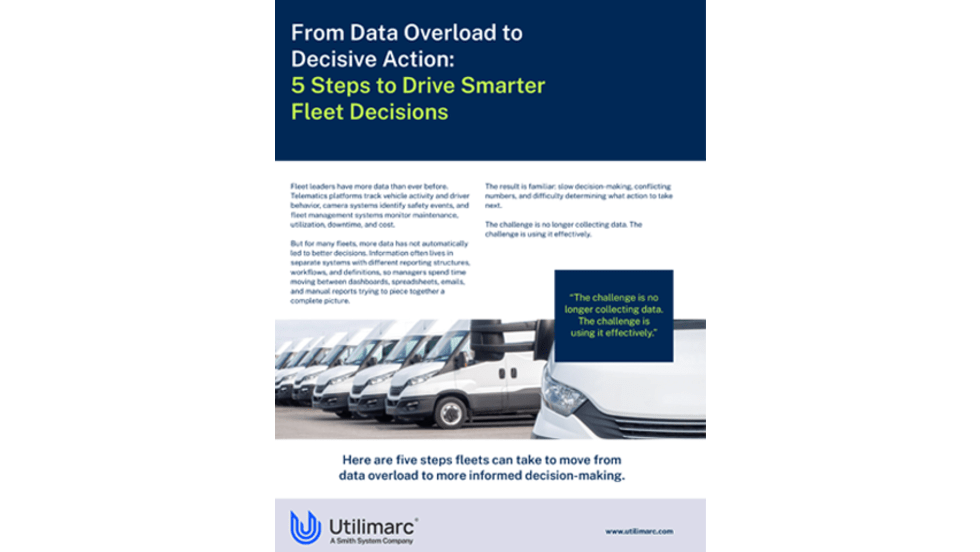
Turn Fleet Data Into Smarter Decisions
Fleet leaders have access to more operational data than ever, but disconnected systems and unclear metrics often slow decision-making instead of improving it. This article outlines five practical steps fleets can take to transform fragmented data into actionable insights that improve planning, safety, utilization, and long-term performance.
Read More →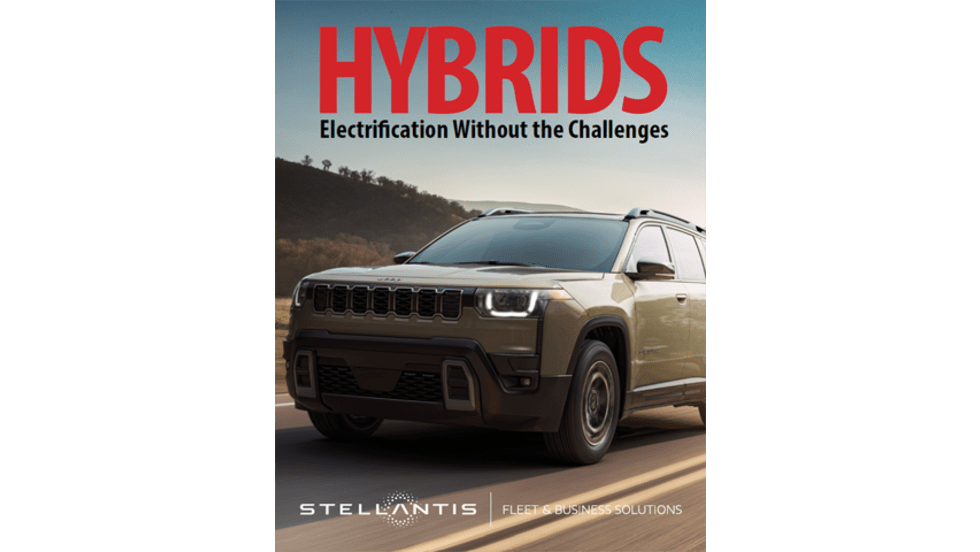
Hybrids: Electrification Without the Challenges
For fleet managers, fuel is one of the biggest line items in the budget — and it's one hybrids can shrink without changing how your people work. Download the eBook to see the numbers, understand the technology, and get a step-by-step guide to making the switch.
Read More →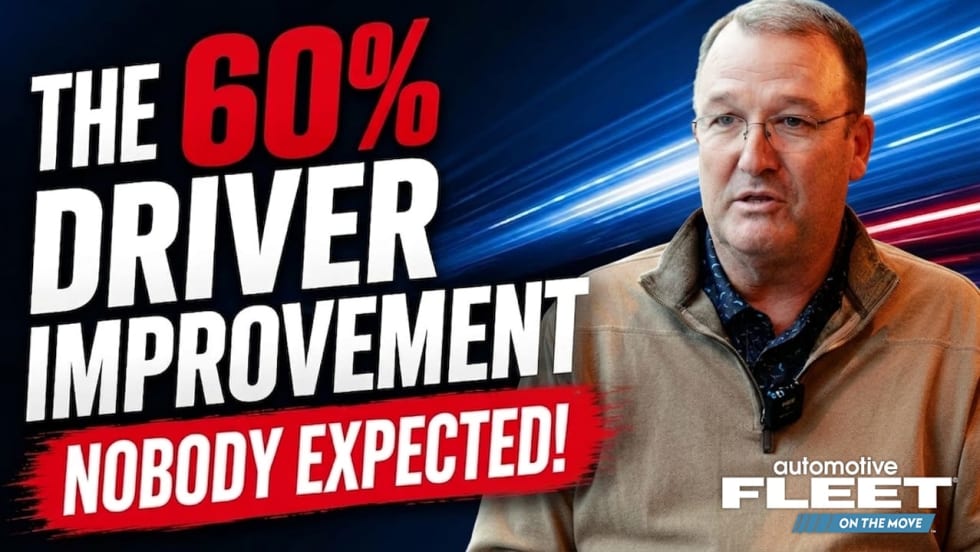
How NOV Uses Telematics to Improve Fleet Safety Across 160 Locations
James Victory of NOV discusses how the company manages fleet safety, maintenance, and telematics across more than 150 locations supporting oilfield operations throughout the U.S.
Read More →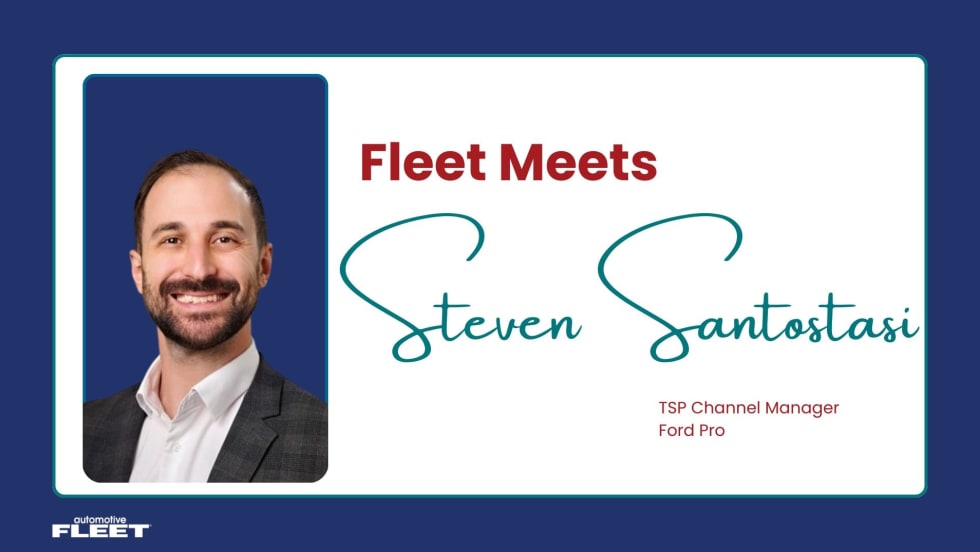
Fleet Meets: Steven Santostasi
This edition of the Fleet Meets series features Steven Santostasi, the current TSP channel manager for Ford Pro.
Read More →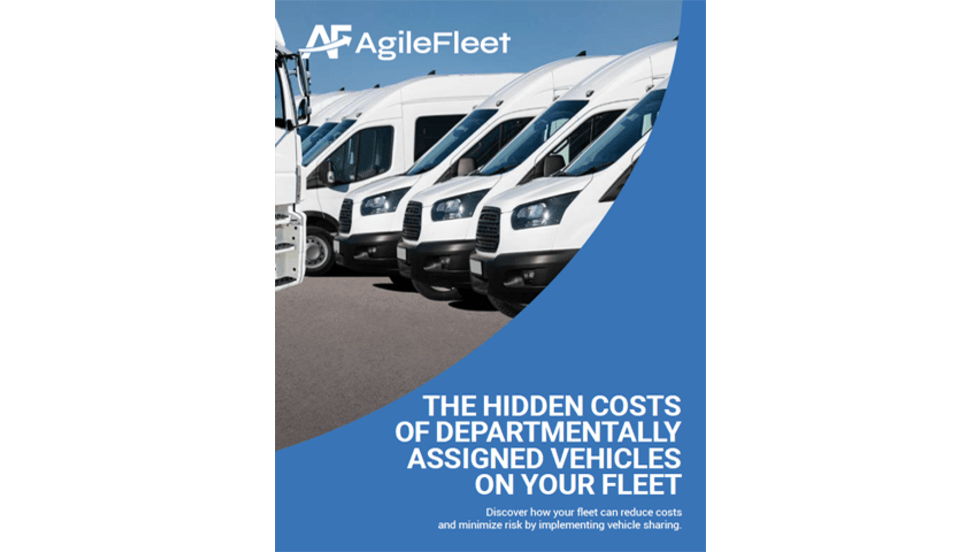
Why Fleet Managers Are Replacing Departmental Vehicles with Shared Motor Pools
Departmentally assigned vehicles often create hidden costs through underutilization, poor visibility, and increased administrative burden. This white paper explores how shared motor pool strategies help fleets reduce costs, improve accountability, and optimize vehicle utilization.
Read More →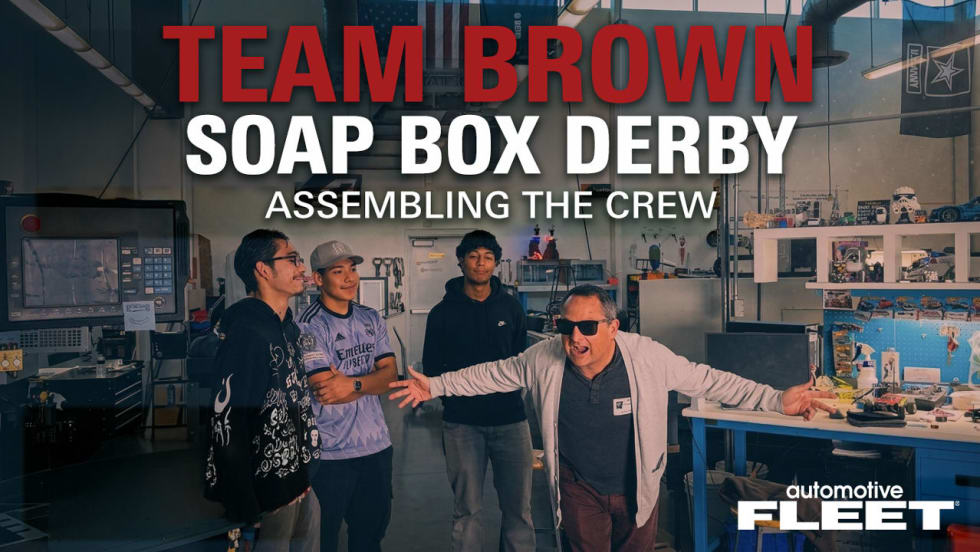
Soap Box Derby Challenge: Assembling the Crew
Meet Gabriel, Matthew, and Angel — the team helping bring this soap box derby build to life.
Read More →
BBL Fleet Acquires Velcor Leasing Corporation
BBL Fleet expanded its footprint in the fleet management industry with the acquisition of Velcor Leasing Corporation of Madison through a stock purchase agreement finalized Feb. 27, 2026.
Read More →
Lytx Introduces New AI Fleet Technologies at Protect 2026
The company introduced new AI-driven fleet safety and operations technologies during its annual user conference.
Read More →
Fleet Costs Are Rising: Here’s How Leaders Are Responding
Fleet leaders are under pressure to reduce costs, adapt to economic uncertainty, and make smarter decisions. See how peers across North America are responding with real data, proven strategies, and forward-looking insights. Download the 2026 Market Pulse Report to benchmark your strategy and uncover where you can gain an edge.
Read More →
From Waffle House to AI: Fleet Trends You Need to Know
In this AF news recap, host Faith Howell covers how Waffle House stepped up during disaster response and new AI tech on the market.
Read More →