




Car IQ, Visa Team Up to Provide Direct Fleet Transactions
Visa's global system will be added to Car IQ Pay vehicle wallet, which enables merchants to accept payments from fleets, cars, and trucks.

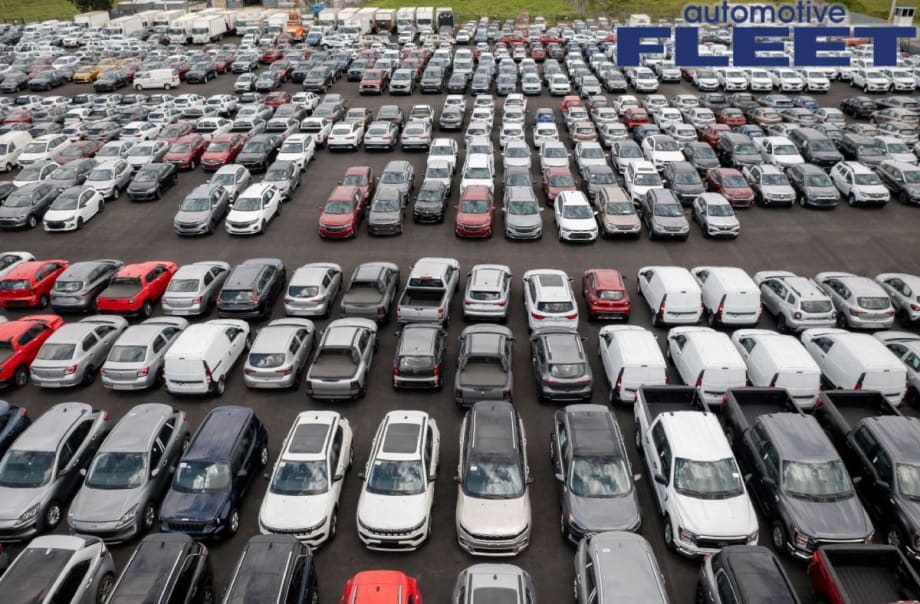
Working with Visa, Car IQ Pay incorporates real-time connected vehicle data before, during, and after every payment.
Photo: Automotive Fleet / Canva
Car IQ Inc, a fleet payment provider, announced July 12 it is partnering with Visa to enable vehicles to transact directly with Visa’s global system of merchants and banks, and purchase fuel, tolls, parking, insurance, service, and repairs using the Car IQ Pay vehicle wallet.
Car IQ Pay’s technology enables vehicles to maintain their own payment accounts to connect and transact directly with merchants without using a physical card.
Bringing this technology to the Visa network greatly expands its reach and will allow the two companies to serve a large share of the connected vehicle payment market, which is expected to reach $600 billion by 2030 according to Ptolemus.
“Through this collaboration with Car IQ, we’re driving growth of vehicle-based payments that allow users to take control of their fleet business through enhanced and timely data capabilities that allow for real-time business decisions,” said North America head of Visa business solutions Veronica Fernandez in a news release.
Core to the collaboration is Car IQ’s ability to add vehicle data to the transaction, which enables new contextual payment experiences such as real-time offers and personalized rewards that benefit fleets, drivers, and merchants. Working with Visa, Car IQ Pay incorporates real-time connected vehicle data before, during, and after every payment.
“Car IQ’s collaboration with Visa underscores the potential that this new ecosystem can offer, facilitating significant productivity benefits around routine vehicle-related charges,” says Mark Vena, CEO and Principal Analyst at SmartTech Research.
The partnership makes use of Car IQ’s technology, Know Your Machine, which authenticates a machine’s identity to enable all types of vehicles to transact directly with merchants.
"This allows us to accelerate the adoption of vehicle payments and make them a seamless part of the fleet experience," said Sterling Pratz, CEO of Car IQ.
Car IQ is also working with automotive OEMs to embed these payments within consumer vehicles. Recently debuted at the Consumer Electronics Show (CES), the Car IQ Pay in-dash vehicle wallet connects vehicles to merchants on the Visa network, enabling payments directly from the car’s infotainment system.
“While our first wallet initiative is focused on vehicles, our platform is designed to easily support any IoT device payment, and we are already seeing interest for connected ‘smart’ city applications and believe the connected home will be next,” Pratz said. “In the future, I believe everyone will have the choice of adding their cars, home appliances, and more, directly to their bank account to transact.”
More Operations

Company Vehicle or Reimbursement? How Fleets Are Rethinking Assignments
As fleet costs and insurance pressures rise, fleet managers are taking a closer look at which employees need company-provided vehicles and when a reimbursement program may make more sense.

Fleetio, ASE Launch Scholarship Program for Automotive Technicians
The second annual program will award 15 scholarships totaling $35,000 to support ASE certification, testing fees, and equipment costs.

Reading the Global Signals: What AI and the Energy Transition Mean for Fleets Now
In this opening keynote of the 2026 Fleet Forward Conference, John Rossant, founder of CoMotion, How can fleet managers navigate a never-ending, changing industry landscape?

90% Use Telematics. Are Fleets Getting Safer? | AF News Recap
This week, we're breaking down which industries have the highest rates, how Jamie McKay manages 2,400 vehicles, what's happening with the 2027 fleet awards, and why software-defined vehicles could introduce new costs.

What's Best Handled by an FMC, and What's Better Done Directly?
Fleet managers continue to rely on FMCs for essential services but are taking a closer look at where working directly with suppliers can improve efficiency and responsiveness.

Fleet Meets: Erin Gilchrist
Meet Erin Gilchrist, the inaugural Mike Antich Spirit of Fleet Award winner, as she shares insights on leadership, mentorship, the power of industry connections, and why people remain at the heart of fleet's future.

How 2026 Fleet Visionary Jamie McKay Manages 2,400 Vehicles Across 37 States
How do you keep 2,400 vehicles running across 37 states? Fleet Visionary Award winner Jamie McKay shares how collaboration, flexibility, and a few simple strategies help her tackle fleet management challenges at Aptive Pest Control.

Managing Fleet Costs in an Era of Permanent Volatility
Fleet operating costs have risen more than 20% since 2020, raising a key question: When does extending a vehicle's service life stop making financial sense?

The Next Evolution of Fleet Management: Autonomous Operations
This opening keynote session at the Fleet Forward Conference highlights the future of autonomous driving for fleets.

How to Reduce the Total Cost of Risk From Catalytic Converter Theft
A stolen catalytic converter can cost fleets far more in downtime and lost productivity than in repairs. A total-cost-of-risk approach can help fleet managers quantify their exposure and prioritize theft prevention.