




Related: Canoo Unveils Subscription-Only EV
Canoo Opens Waitlist for Subscription-Only Vehicle
Canoo’s subscription will be flexible, with a single all-inclusive monthly payment that offers the vehicle, maintenance, registration, access to insurance and charging on a month-to-month basis.
by Staff
January 21, 2020
Canoo unveiled its first subscription-only electric vehicle on Sept. 24, just 19 months after the company’s founding in December 2017.
Photo via Canoo.
1 min to read
Canoo, the Los Angeles based company creating electric vehicles (EVs) made for subscription, announced today that it has officially opened its waitlist, dubbed The First Wave. The waitlist is for the company’s first vehicle, simply called the canoo, and is free to join and open to everyone.
Canoo’s subscription will be flexible, with a single all-inclusive monthly payment that offers the vehicle, maintenance, registration, access to insurance and charging on a month-to-month basis.
Individuals who join The First Wave will have the opportunity to improve their position on the waitlist. Points are accumulated based on successful referrals to the waitlist as well as the completion of surveys. The person with the most points will be at the front of the line at launch. There is also an opportunity for those who join The First Wave to earn prizes like branded gear by achieving certain referral milestone levels.
Canoo unveiled its first subscription-only electric vehicle on Sept. 24, just 19 months after the company’s founding in December 2017. Canoo’s first vehicle will launch in 2021 in Los Angeles and was designed for a world in which transportation is becoming increasingly electric, shared and autonomous. Canoo will offer a hassle-free and commitment-free EV subscription for one monthly, affordable price and with no set end date.
More Fleet Forward
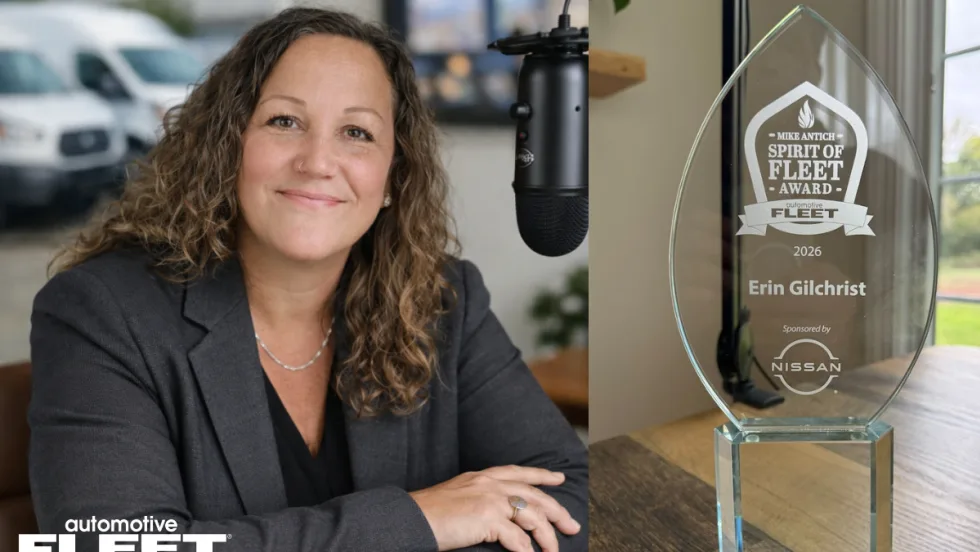
Erin Gilchrist Receives Mike Antich Spirit of Fleet Award
Last week at AFLA in Vegas, Erin Gilchrist received the inaugural, brand-new Spirit of Fleet Award.
Read More →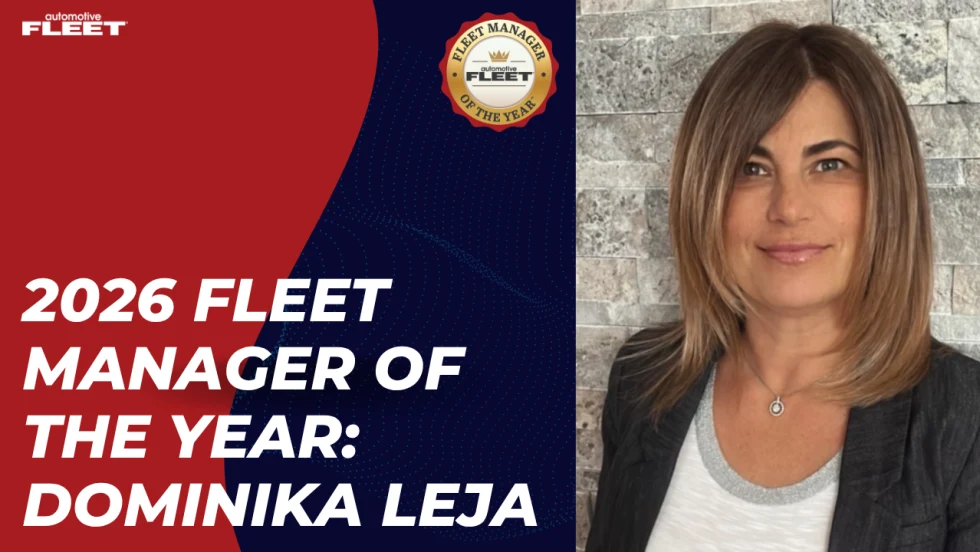
Dominika Leja Named the 2026 Fleet Manager of the Year
The AstraZeneca associate director of fleet was recognized for her leadership in fleet electrification, cost savings, and operational transformation.
Read More →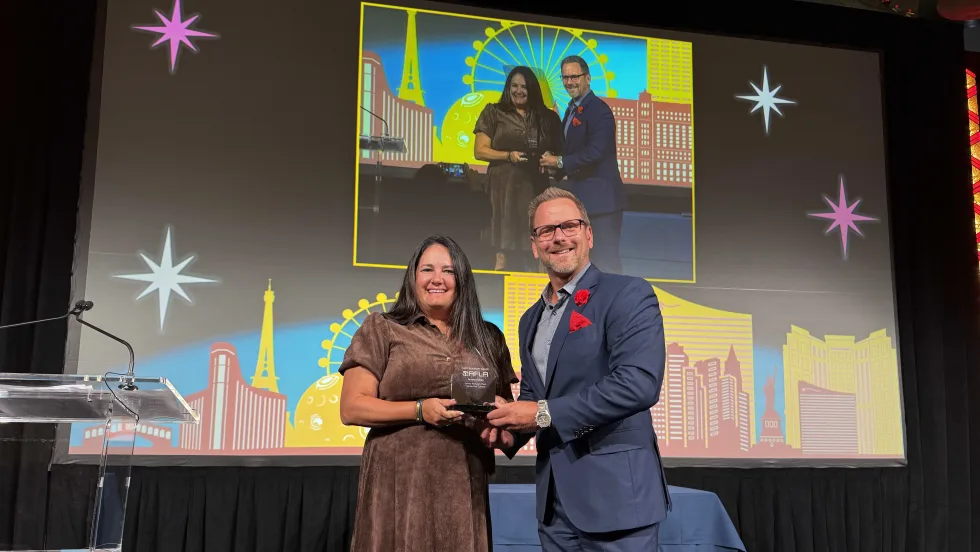
Jamie McKay Named the 2026 Fleet Visionary Award Winner
The Aptive Pest Control fleet manager was recognized for her approach to operations, data, lifecycle management, and driver needs.
Read More →
Fleet Forward Conference Introduces One-Day Passes for 2026
New one-day registration gives fleet professionals the flexibility to attend Tuesday, Wednesday, or Thursday, with passes available for $199 through Sept. 18.
Read More →
Vibe Coding: When Fleet Managers Become Software Builders
Five fleet professionals — none with programming skills — discuss how they’re using AI to build fleet solutions in-house and in a fraction of the time.
Read More →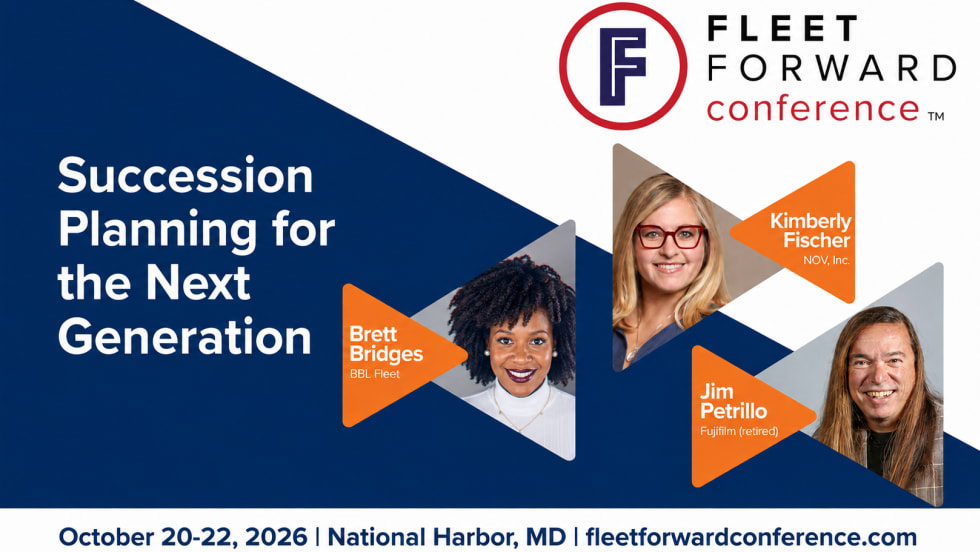
Fleet Forward Conference Tackles Fleet Industry’s Growing Leadership Gap
This session will examine succession planning, knowledge transfer, and the skills the next generation of fleet leaders will need as veteran professionals leave the industry.
Read More →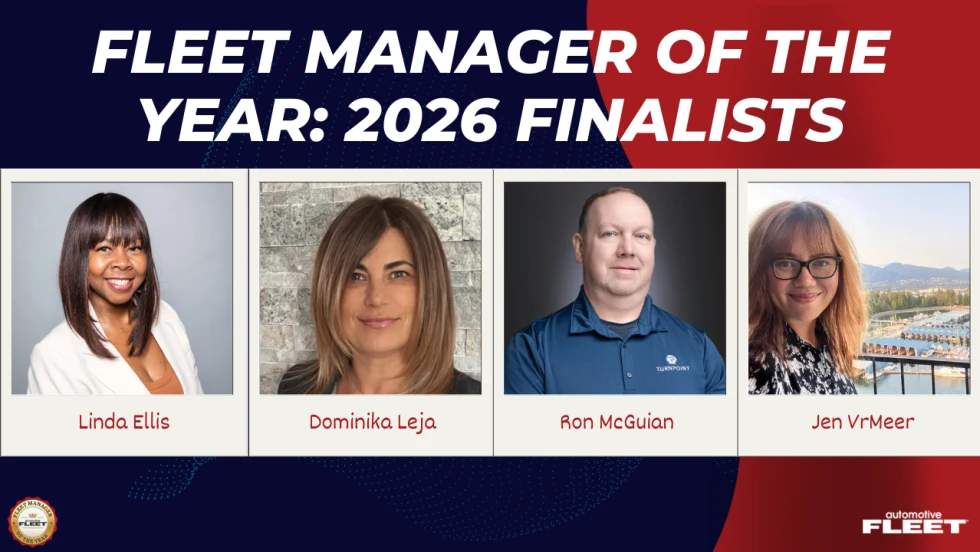
2026 Fleet Manager of the Year Finalists Announced
Who are the 2026 Fleet Manager of the Year finalists?
Read More →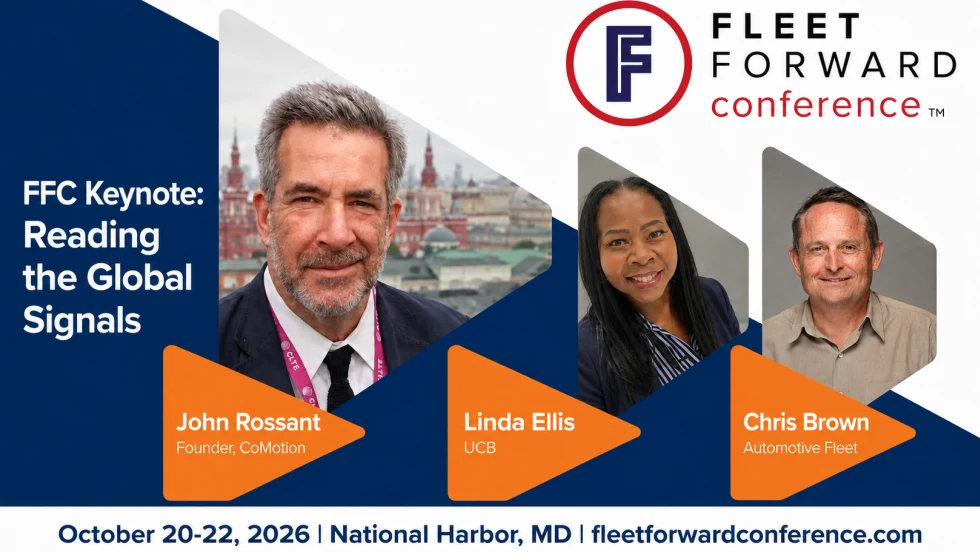
John Rossant to Deliver Opening Keynote at 2026 Fleet Forward Conference
The CoMotion founder will draw on developments across Europe, China, the Middle East, and other international markets to identify trends that could influence how U.S. fleets plan for the coming decade.
Read More →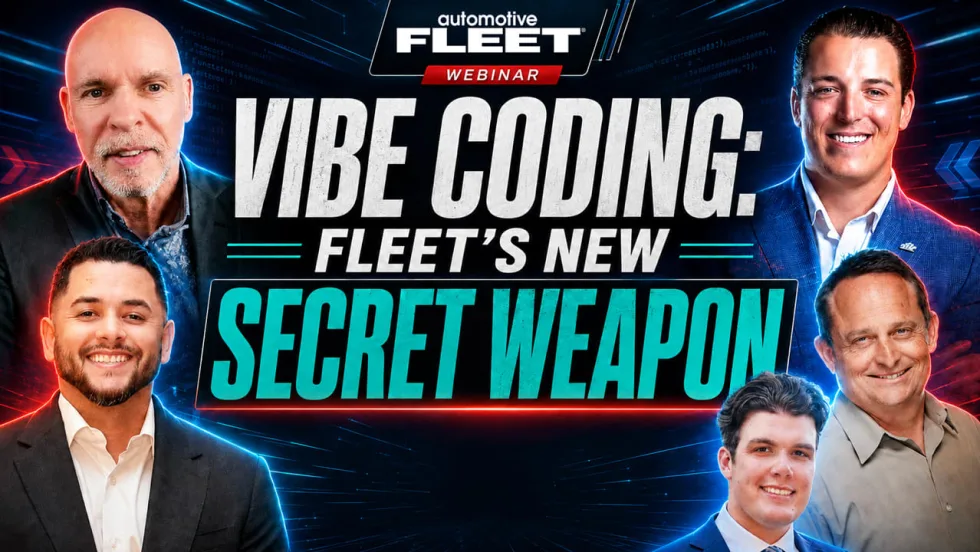
How to Build Custom Fleet Tools With AI and Vibe Coding [Webinar]
A new Automotive Fleet webinar explores how fleet managers are using AI and vibe coding to automate routine work and create simple operational tools without traditional programming skills.
Read More →