




Campbell County New Fleet Policy in Question
GILLETTE, WY – Following in the footsteps of the City of Gillette and the Campbell County Fire Department, the Campbell County Commission has started a fleet management policy to replace old vehicles.
GILLETTE, WY – Following in the footsteps of the City of Gillette and the Campbell County Fire Department, the Campbell County Commission has started a fleet management policy to replace old vehicles. The biggest advantage of the policy is the formation of a vehicle replacement account that would be funded each year to cover the cost of depreciation on the vehicles, according to Gillette News Record.
Many of the agencies affected by the policy have two issues: Whether the vehicles will be bought locally and who will be able to take vehicles home. Under the new policy, the fleet manager will be responsible for decisions on whether a vehicle needs replaced and where it is bought. The county now allows each individual department to choose how and where to buy each vehicle.
Sheriff Bill Pownall said most sheriff’s vehicles are bought locally, with rare exceptions, and that he would like to keep money in the county.
But local dealers aren’t always the lowest bidder, said Public Works Director Kevin King, who said that his department recently went out to bid on a vehicle and a dealership in Casper came in about $2,000 lower than the local dealers.
Fleet manager Rod Warne added that he follows the county’s fiscal policy when bidding a vehicle, which allows a bid package to anyone who requests it — not just the local businesses.
Commissioner Craig Mader said he would be in favor of staying with local dealers as long as they keep it close to the same price, according to Gillette News Record. Keeping taxpayers’ money in the county also appealed to Commissioner Amir Sancher, but within reason. Sancher suggested allowing five percent preferential treatment for the local dealers, which is similar to what the state offers for contractors in the state.
Mader elaborated that the reason for the change was to control employee abuse of county vehicles. Mader’s example was that he receives calls from constituents complaining about seeing the vehicles at church.
Out of the 198 vehicles owned by the county, 39 are used frequently as take-home vehicles by several departments. The new policy would allow take-home vehicles only for employees who are on-call for an emergency.
However, Airport Manager Jay Lundell and county Facilities Manager Vern Fundenberger felt the policy’s definition of an emergency needed to be clarified in order for many of their employees to be eligible for a take-home vehicle. Both managers see the vehicles as tools to do a job. Fundenberger added that it has been used as a recruitment tool in the past. But supplying a vehicle is not a formal job benefit of the county, said Commissioner Chris Knapp.
Commissioners will discuss these issues again Apr. 15.
More Maintenance
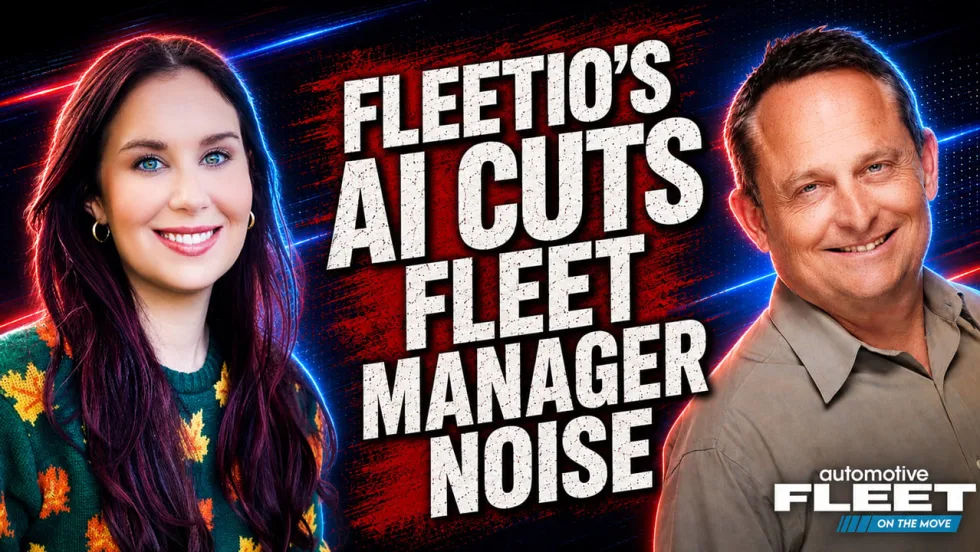
How Can Fleet Managers Tell Which Repairs Require Closer Review?
Fleetio’s Brianna Perry demonstrates how Service Advisor evaluates maintenance requests, identifies pricing anomalies, and provides the context fleet managers need to focus their attention on potential problems.
Read More →
Why Roadside Assistance Belongs in a Fleet Risk Strategy
Roadside assistance is more than a tow. See how the right partner can protect drivers, uncover fleet trends, and strengthen your risk strategy.
Read More →
Hidden in Plain Sight: Fleet Compliance Risks
Fleet compliance isn't just about having policies — it's about consistently enforcing them. This practical guide reveals six hidden compliance risks common in public sector and shared fleet operations and outlines proven strategies to improve visibility, accountability, and audit readiness
Read More →
How Maintenance Costs Compare Across 27 Fleet Vehicles
Vincentric’s three-year, 60,000-mile projections reveal wide differences for both scheduled and unscheduled maintenance among selected vehicle categories. Projected maintenance visits also play a factor.
Read More →
The EV Breakdown Nobody's Talking About: Why Most Electric Vehicle Roadside Calls Aren't Mechanical Failures
Here's why EV breakdowns are widely misunderstood.
Read More →
How Stellantis Plans to Get Ahead of Fleet Downtime
Keeping fleet vehicles on the road has become as important as buying them. Darren Bradshaw of Mopar North America explains how connected vehicle data, AI, and proactive service strategies are helping Stellantis reduce downtime and move closer to predictive maintenance.
Read More →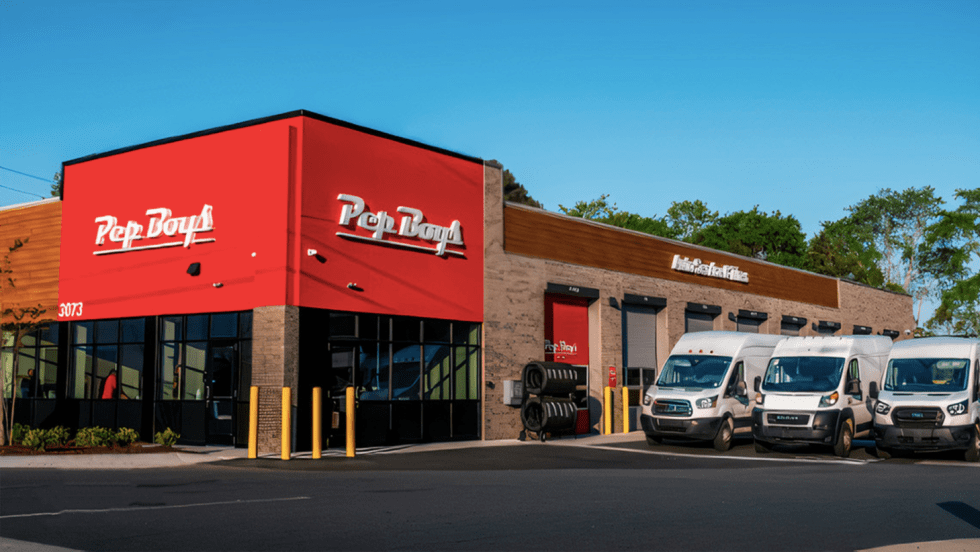
Merchants Fleet Expands Maintenance Network with Pep Boys
Merchants Fleet has expanded its relationship with Pep Boys, increasing the service provider's role within its national maintenance network. The move is intended to enhance maintenance coordination and support commercial fleets through Pep Boys' nationwide footprint.
Read More →
The Two Biggest Summer Downtime Threats for Fleets
A conversation with a maintenance expert reveals the two most common summer maintenance pains and how to prevent them.
Read More →
Turning Connected Vehicle Data Into Decisions That Matter
Fleet leaders have more data than ever, but turning that data into clear, actionable decisions remains a challenge. This white paper shows how leading organizations are using connected vehicle data to improve safety, reduce costs, and optimize fleet performance. Learn how to turn insight into action across your fleet.
Read More →
Are You Tracking Your Fleet's True Total Cost of Ownership?
Bobit Business Media surveyed 190 fleet professionals and found that while most fleets are tracking costs, fragmented systems and data gaps are keeping true TCO visibility out of reach. With rising pressure to control spend in an increasingly volatile environment, the gap between what fleets think they know and what the data actually shows is wider than you might expect. See how your peers are managing costs today and where the industry still has room to improve.
Read More →