




California Proposes Regulation Targeting Greenhouse Gas Emissions from Fuels
SACRAMENTO, CA --- The California Air Resources Board on March 5 released a proposed regulation seeking to implement Gov. Arnold Schwarzenegger's Low Carbon Fuel Standard -- a policy aimed at reducing the greenhouse gas emissions from California's transportation fuels by 10 percent by 2020 and more thereafter.
SACRAMENTO, CA --- The California Air Resources Board on March 5 released a proposed regulation seeking to implement Gov. Arnold Schwarzenegger's Low Carbon Fuel Standard -- a policy aimed at reducing the greenhouse gas emissions from California's transportation fuels by 10 percent by 2020 and more thereafter.
The release of the proposed regulation allows 45 days for the public to review the language and provide comment before the item is considered at the April 23 ARB hearing.
The California ARB said the proposed regulation would diversify the variety of fuels and boost the market for alternative-fuel vehicles. "It is one of the most important early actions called for under AB 32, California's pioneering climate change legislation, and will achieve 16 million metric tons of greenhouse gas emission reductions by 2020," the board said in a released statement.
"The real strength of this standard is that it takes a comprehensive 'cradle to grave' approach that accounts for greenhouse gas emissions from production, transport and tailpipe emissions," said ARB Chairman Mary Nichols. "The new standard will promote the development of alternative fuels that can provide economic opportunities, slash greenhouse gas emissions, and reduce criteria pollutants and toxic air contaminants. It will help consumers by injecting competition into the transportation fuel market and set California on a course to benefit from technological innovation, energy diversification and economic development."
However, the proposed emissions rule has already drawn sharp criticism from the ethanol industry. The New Fuels Alliance, an ethanol trade group, submitted a letter to the ARB, signed by 25 biofuel executives. The letter argues that the proposed rule unfairly holds the biofuels industry to a higher standard in an effort to regulate indirect effects of biofuels. The letter warns that enforcing indirect effects prematurely or in a piecemeal way would be catastrophic for advanced biofuel development.
"There is no model today that comes close to capturing the interplay of economic, institutional, technological, cultural and demographic variables inherent with quantifying the indirect impact of any fuel," the letter argued.
Gov. Schwarzenegger issued the Low Carbon Fuel Standard (LCFS) Executive Order in early 2007, directing the state to drive down greenhouse gas emissions from transportation fuels. According to the ARB, the transportation sector alone accounts for 40 percent of the state's total greenhouse gas emissions.
The ARB said the initiative is designed to increase the use of alternative fuels, replacing 20 percent of the fuel used by cars in California with clean alternative fuels by 2020, including electricity, biofuels, hydrogen and other options.
The proposed regulation requires providers, refiners, importers and blenders to ensure that the fuels they provide for the California market meet an average declining standard of "carbon-intensity." This is determined by examining the sum of greenhouse gas emissions that are associated with the production, transportation and consumption of the fuel, also referred to as the "fuel pathway."
The ARB said that market-based mechanisms will allow fuel suppliers to choose the most cost-effective clean fuels -- those with the lowest carbon intensity -- giving California consumers the widest variety of fuel options at a reasonable price.
While developing the regulation, ARB staff addressed the issue of how the production of some fuels impact land-related emissions. Certain fuel pathways result in the release of additional greenhouse gas emissions through the conversion of forestlands and other carbon-containing habitats worldwide. ARB said its staff is using internationally-accepted models to predict how land use change would occur due to increased demand and will include those emissions in the relevant fuel pathways.
To enhance private sector and federal investment into alternative fuel production and distribution, California is providing funding to assist in the early development and deployment of promising low-carbon fuels. The Alternative and Renewable Fuel and Vehicle Technology Program (AB118, Nunez, 2007), managed by the California Energy Commission, will provide approximately $120 million dollars per year over seven years to deploy the cleanest fuels and vehicles.
AB 32, signed by the Governor in 2006, is California's Global Warming Solutions Act that set in law aggressive greenhouse gas reduction targets (1990 levels by 2020). AB 32 set the goals, but the solution is prescribed in the Scoping Plan which uses a mix of a cap-and-trade program, along with complimentary measures. The LCFS is included in the Scoping Plan as one of the solutions for California to meet its AB 32 goals.
ARB will hold a public workshop the week of March 23 to accept public comment on the proposed regulation.
More Green Fleet

Inspiration Mobility Acquires Key Electrada Assets
Inspiration Mobility Group has acquired select assets of Electrada, adding the fleet electrification provider's team, technology, and charging infrastructure development capabilities to its energy management business.
Read More →
Turning Connected Vehicle Data Into Decisions That Matter
Fleet leaders have more data than ever, but turning that data into clear, actionable decisions remains a challenge. This white paper shows how leading organizations are using connected vehicle data to improve safety, reduce costs, and optimize fleet performance. Learn how to turn insight into action across your fleet.
Read More →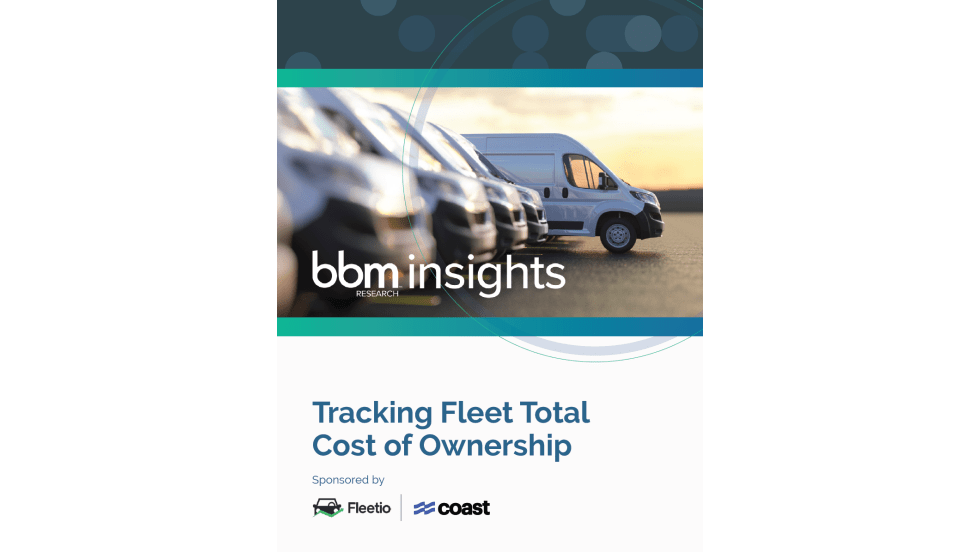
Are You Tracking Your Fleet's True Total Cost of Ownership?
Bobit Business Media surveyed 190 fleet professionals and found that while most fleets are tracking costs, fragmented systems and data gaps are keeping true TCO visibility out of reach. With rising pressure to control spend in an increasingly volatile environment, the gap between what fleets think they know and what the data actually shows is wider than you might expect. See how your peers are managing costs today and where the industry still has room to improve.
Read More →
Hybrids: Electrification Without the Challenges
For fleet managers, fuel is one of the biggest line items in the budget — and it's one hybrids can shrink without changing how your people work. Download the eBook to see the numbers, understand the technology, and get a step-by-step guide to making the switch.
Read More →
Startup ZMD Motors Developing Electric Conversion for Ram 5500 Work Trucks
Detroit-based company says it has begun early development of a system to convert internal combustion Ram 5500 chassis-cab trucks to electric power.
Read More →
U.S. EV Adoption Is Climbing, but Commercial and Passenger Markets Diverge
New industry group data revealed that light-duty electric vehicle sales are hitting record market share and volumes, while commercial EV volume dipped. What’s driving the fluctuations?
Read More →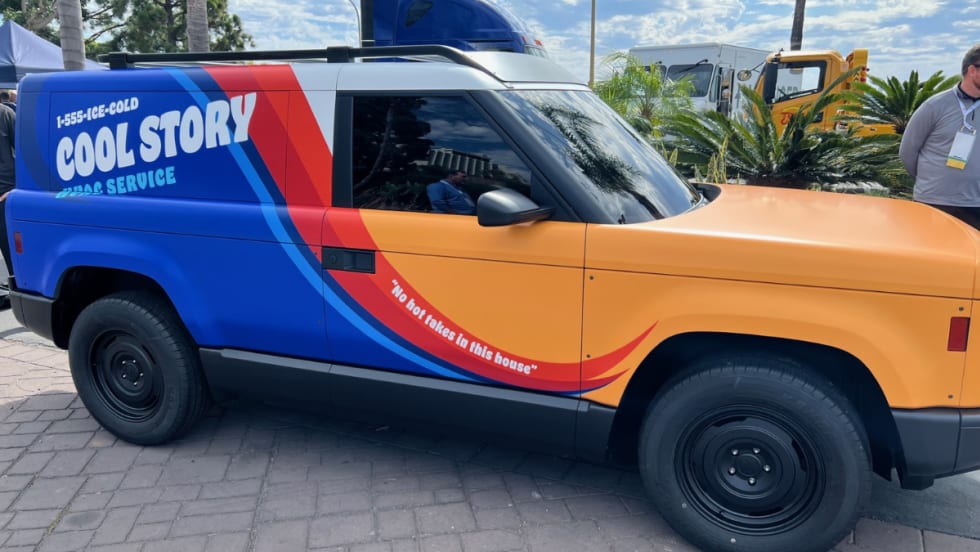
How To Upfit Electric Work Trucks and Vans
The biggest challenge lies in balancing additional equipment and accessories with EV battery capacity and range.
Read More →
How Fleets Can Adjust Approaches To EV Adoption
With the expiration of federal incentives, EV success now hinges less on government policy and more on discounts, battery tech progress, increased range, and broader infrastructure.
Read More →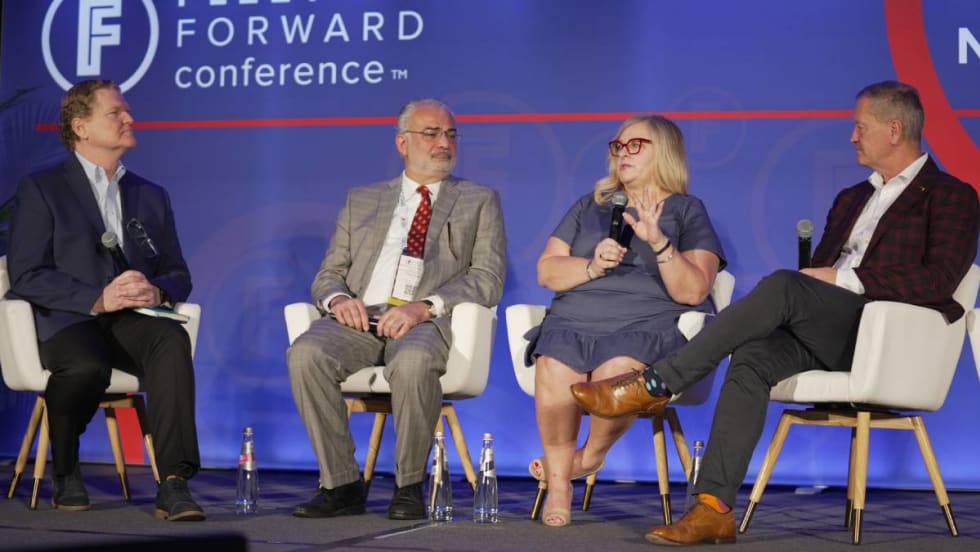
Despite World Troubles, Forward Thinking Guides Fleets
Fleet operators shared their challenges during an annual conference that embraced the latest advances across all aspects of running private- and public-sector vehicles.
Read More →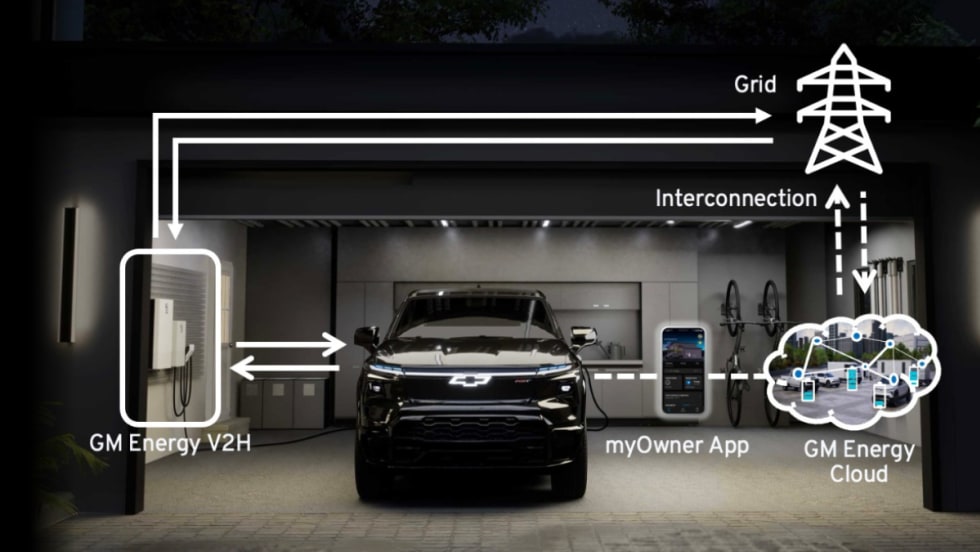
GM Energy Details Partnerships and Targets for Public Charging Build-Out
EVgo, Pilot, ChargePoint and IONNA named; goal is 35k GM-invested DC stalls by 2030, with customer-experience upgrades at sites.
Read More →