




California Adopts Rule to Limit Greenhouse Gases of Fuels
SACRAMENTO, CA --- The state of California on April 23 adopted the world's first regulation to limit greenhouse gas emissions from the fuel that runs cars and trucks.
SACRAMENTO, CA --- The state of California on April 23 adopted the world's first regulation to limit greenhouse gas emissions from the fuel that runs cars and trucks.
The new rule, which the Air Resources Board approved by a 9-1 vote, is expected to slash California's gasoline consumption by one-fourth in the next decade, the Los Angeles Times reported. The rule's intent is to expand the market for electric and hydrogen-fueled vehicles and to promote development of new biofuels to replace corn-based ethanol as well as oil.
Gov. Arnold Schwarzenegger praised the new standard, saying it would not only reduce global warming but "reward innovation, expand consumer choice and encourage the private investment we need to transform our energy infrastructure."
Schwarzenegger also noted that 16 other states have turned to California as a model and that President Obama has called for a national standard.
The new state regulation requires that gasoline and diesel producers, refiners and importers reduce the carbon footprint of their fuel by 10 percent over the next decade, the Los Angeles Times reported. Moreover, the state must reduce its overall greenhouse gas emissions by 80 percent by mid-century.
Before the vote, scores of industry executives and environmental activists testified during a public hearing in Sacramento. The standard drew sharp criticism from corn ethanol producers who asserted that it unfairly exaggerated the effects of using food crops for energy. The regulation calculates the life cycle of fuels from their extraction or cultivation to their combustion, and corn ethanol industry representatives questioned the accuracy of the calculation methods used. On the other hand, some environmentalists at the meeting said that the rule didn't go far enough in questioning the land-use effects of ethanol from nonfood crops such as switch grass or farmed trees, the Times reported.
"Now we are creating the framework for a new way of looking at automotive fuels," said Air Resources Board Chairwoman Mary D. Nichols. "No longer will petroleum be the only game in town."
More Green Fleet

Everything You Need to Know About Renewable Diesel
Learn how renewable diesel works, how it differs from biodiesel, and what work truck fleets should know about costs, emissions, and performance.
Read More →
EV Charging Use Is Outpacing Infrastructure Growth
ChargePoint’s 2026 Charging Forward Report points to rising charger use, higher-powered charging, commercial vehicle electrification, and energy-management technology. Here’s what fleets should know.
Read More →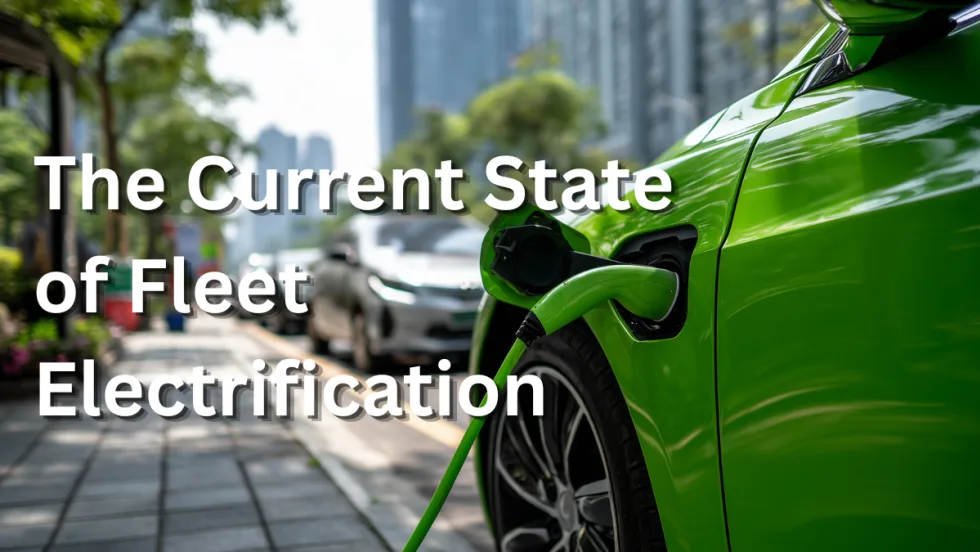
Merchants Fleet Reports 290M EV Miles as Fleets Navigate Changing Electrification Market
From millions in operating savings to hundreds of millions of EV miles, Merchants Fleet’s latest report reveals what’s working and what’s changing in fleet electrification.
Read More →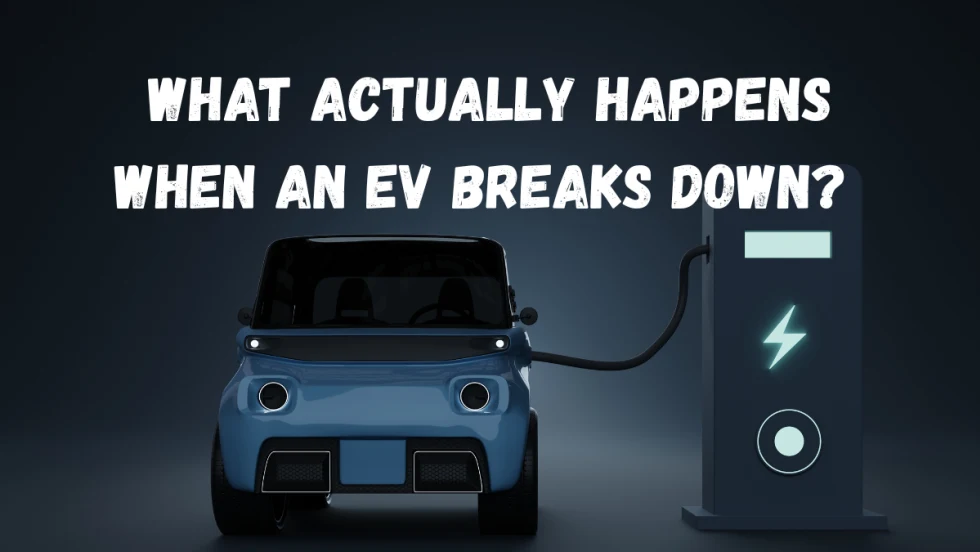
The EV Breakdown Nobody's Talking About: Why Most Electric Vehicle Roadside Calls Aren't Mechanical Failures
Here's why EV breakdowns are widely misunderstood.
Read More →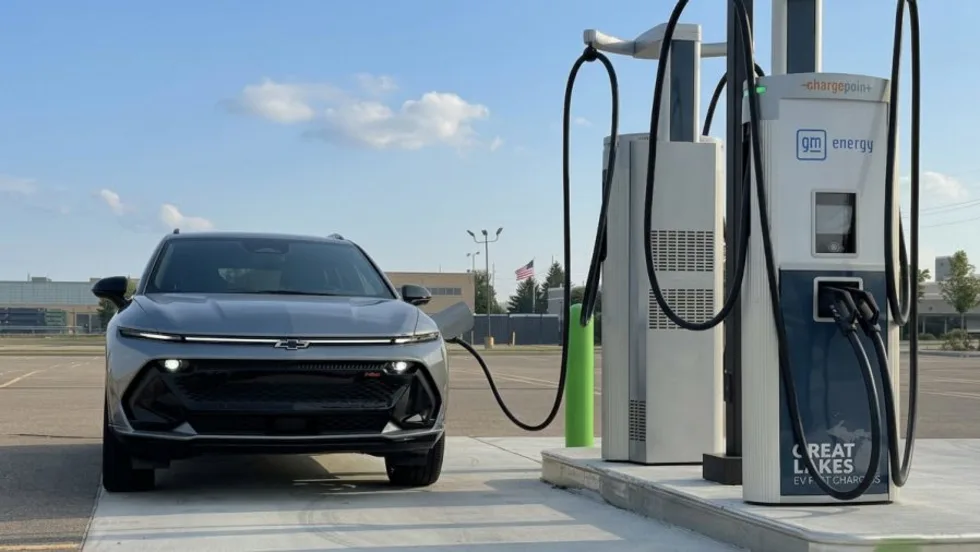
ChargePoint Now Available in Energy Pass
ChargePoint and additional planned charging network integrations were added to GM's Energy Pass.
Read More →

First Look: Slate Auto's Electric Fleet Pickup
Could an affordable, modular EV pickup make electrification more practical for fleets?
Read More →
Slate Debuts Colorful, Unique EV Models
A recent media and client event, studded with electric vehicles dressed up on platforms, planted a new position for the manufacturer in the wider EV market. Fleets will find cost-saving advantages.
Read More →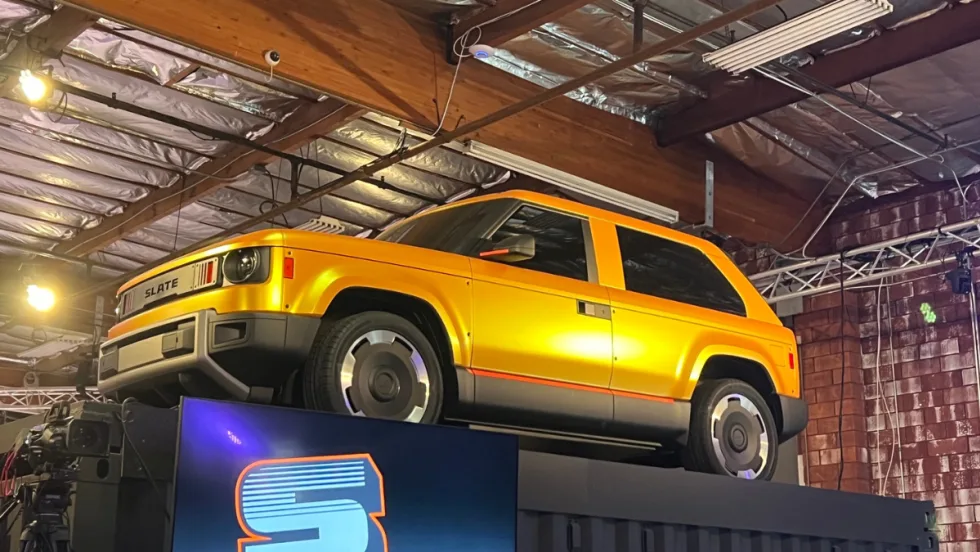
Slate Electric SUV, Pickup Switchable Model Aims For Light-Duty Fleets
Everything about this EV is counterintuitive and understated, making it stand out from the crowd.
Read More →
Inspiration Mobility Acquires Key Electrada Assets
Inspiration Mobility Group has acquired select assets of Electrada, adding the fleet electrification provider's team, technology, and charging infrastructure development capabilities to its energy management business.
Read More →