




Caffeine Gum More Effective than Coffee in Combating Driver Fatigue
WASHINGTON, D.C. --- Since Memorial Day kicks off the beginning of the summer vacation season, which according to the National Highway Traffic Safety Administration (NHTSA) is the deadliest time of year for drivers, the National Sleep Foundation (NSF) is warning drivers to stay alert at the wheel.
WASHINGTON, D.C. --- Since Memorial Day kicks off the beginning of the summer vacation season, which according to the National Highway Traffic Safety Administration (NHTSA) is the deadliest time of year for drivers, the National Sleep Foundation (NSF) is warning drivers to stay alert at the wheel. While drivers often turn to coffee to help them stay alert, some experts recommend caffeine gum instead. Last year, the Walter Reed Army Institute of Research tested Stay Alert caffeine gum as a countermeasure for fatigue, according to ARNEWS, the Army News Service. Each piece of Stay Alert chewing gum has 100 mg of caffeine. That's about the amount found in a six-ounce cup of coffee. "Because it's chewed, it delivers caffeine to the body four to five times faster than a liquid or pill because it's absorbed through tissues in the mouth --- not the gut, like in traditional formulations," Dr. Gary Kamimori of the Department of Behavioral Biology at Walter Reed told ARNEWS. Of course, the best course of action is to get enough sleep in the first place. "Many people fail to realize just how much sleep impacts alertness on the roadways. Not getting a good night's sleep and driving can have deadly consequences," said Richard Gelula, the National Sleep Foundation's CEO. "In fact, drowsy driving may be just as dangerous as drunk driving because sleepiness results in slower reaction times and performance, reduced judgment and vision, delayed information processing and short-term memory formation, and even increased anger and moodiness." According to NHTSA, driver fatigue is the direct cause of 100,000 car crashes each year, and the results are both deadly and costly: NHTSA estimates 1,550 deaths, 71,000 injuries, and $12.5 billion in diminished productivity and property loss. Researchers believe that these numbers are underestimated, given that an estimated 1 million crashes are produced by driver inattention --- a side effect of fatigue. "Drowsy driving risks the life of not only the driver, but the lives of their passengers --- family and friends --- and other drivers on the road," said Gelula. "The disastrous effects of fatigue-related crashes can easily be prevented; all it takes is for people to recognize the problem and get off the road."
More Safety

NAFA Fleet Safety Symposium to Collocate With 2026 Fleet Forward Conference
The daylong certificate program will precede the Fleet Forward Conference at the Gaylord National Harbor in Maryland.
Read More →
The Distractions You Can’t Turn Off: What Drivers Face Outside the Vehicle
Fleet drivers face constant visual, cognitive, and environmental interruptions the moment they hit the road. From roadside chaos to mental fatigue and digital overload, today’s biggest driving risks often come from outside the vehicle itself.
Read More →
FLASH Weather AI Launches First Deep-Learning Hail Prediction Model With High-Resolution Forecasting
FLASH Weather AI has launched a first-of-its-kind hail prediction model capable of forecasting hail size and arrival time at 1-kilometer resolution up to 55 minutes ahead, giving fleets and insurers critical time to prepare for severe storms.
Read More →
How Coca-Cola United Protects Its Fleet from Growing Legal Risk
As litigation risk rises, vehicles are increasingly targeted. This Coca-Cola bottler shares how it’s reducing exposure through driver training, technology, and a proactive risk management approach.
Read More →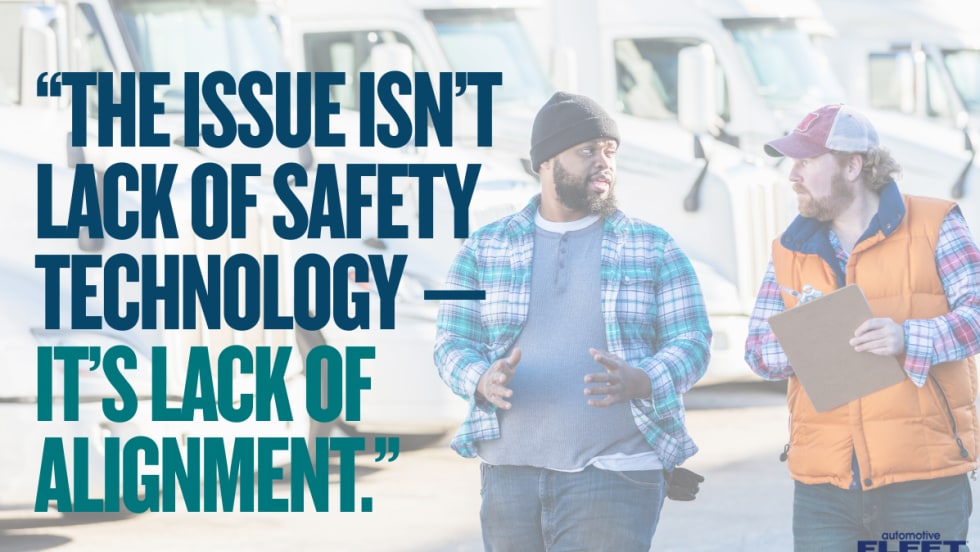
How to Speak the Same Language on Fleet Safety
Drivers, supervisors, and data often speak different safety “languages.” Getting on the same page will drive better results.
Read More →
Fleet Cybersecurity 101: What You Need from Your Technology Vendors
From identity management to third-party certifications, the right technology partner should make security easier to manage. Here are the three building blocks that fleet managers need to stay in control as connected systems scale.
Read More →
Reducing Risk by Eliminating Phone Use Behind the Wheel
Distracted driving remains one of the most persistent risks in fleet operations. New approaches focus on removing mobile device use entirely while adding real-time safety support.
Read More →
Distracted Driving in the Age of Smart Tech – Part 2
As distraction risks evolve, fleets are turning to smarter, more connected technologies to better understand what’s happening behind the wheel. Part 2 explores how these tools are helping identify risky behaviors and improve visibility across operations.
Read More →
Data Rights, Risks, and Responsibilities After a Crash
What fleets capture to improve safety can also expose them in litigation, forcing leaders to rethink how data is managed, stored, and shared.
Read More →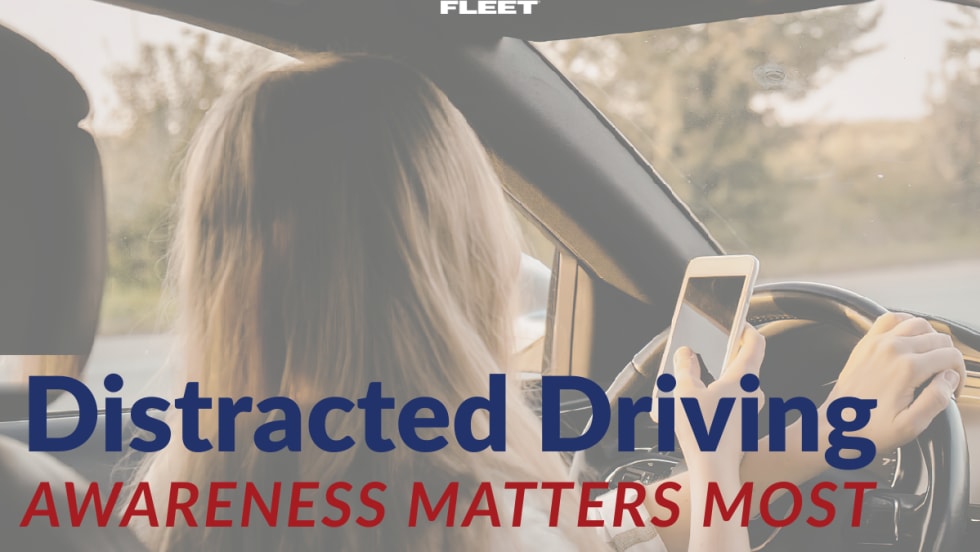
From Distraction to Detection: Strengthening Awareness in Fleet Drivers
Distracted driving is often measured by what we can see—phones in hand, eyes off the road. But what about the distractions we can’t? A recent incident raises a bigger question about awareness, attention, and why subtle risks so often go unnoticed.
Read More →