




Buyers Want Safety and Hi-Tech Features
Next-generation airbags are high on the list of safety-related equipment desired by new-vehicle buyers, according to the J.D. Power and Associates 2001 Automotive Performance, Execution and Layout (APEAL) Feature Contenting Report released today. Safety-related features such as airbags and vehicle control systems continue to be among the most desired equipment consumers would like to see in new vehicles. Head protection/side curtain airbags are the most desired feature. The new airbags help reduce the effects of side-impact accidents by deploying from above the doors, covering glass areas. While only 7 percent of vehicles currently have the new airbags, 66 percent of new-vehicle buyers expressed a strong interest in seeing them in their next vehicles. Side airbags, which are currently in 28 percent of new vehicles, continue to increase in popularity. An average of 77 percent of respondents wanted them on their next car. “Drivers have come to rely on airbags as a major safety feature in their vehicles,” said Neal Oddes, manager of product research at J.D. Power and Associates. “The next step in the evolution of airbags is to provide additional protection to occupants from side collisions.” Features that help drivers maintain control of their vehicles in emergencies repeatedly rank in the top five most-desired emerging features. These include: stability control, designed to distribute power and braking evenly to wheels to prevent skidding and loss of control; brake assist, which helps the driver apply maximum braking power in an emergency; and traction control, which helps prevent wheelspin on wet or slippery surfaces. Such control features take the guesswork out of driver reaction and response through a computer-assisted operating system. For the first time in the history of the report, more emerging features than traditional features are analyzed, reflecting the high-tech desires of today’s consumers. For example, while demand for traditional cassette players in new vehicles is down, there is high interest in new audio features such as MP3 playback capability and satellite radios. Consumers are also increasingly interested in emerging alternative-power technologies such as hybrid power that combine both fuel and electric powertrains. There are currently only two models with hybrid power on the U.S. market – the Honda Insight and Toyota Prius – but 31 percent of new-vehicle owners desire this kind of environment-friendly technology in the future. “Interest in hybrids is gaining momentum, and they are likely to be the next major feature to impact the automotive market,” said Brian Walters, director of product research at J.D. Power. “Consumers are watching this emerging technology closely, and alternative-power features could significantly change the landscape of the automotive industry.”
More Operations
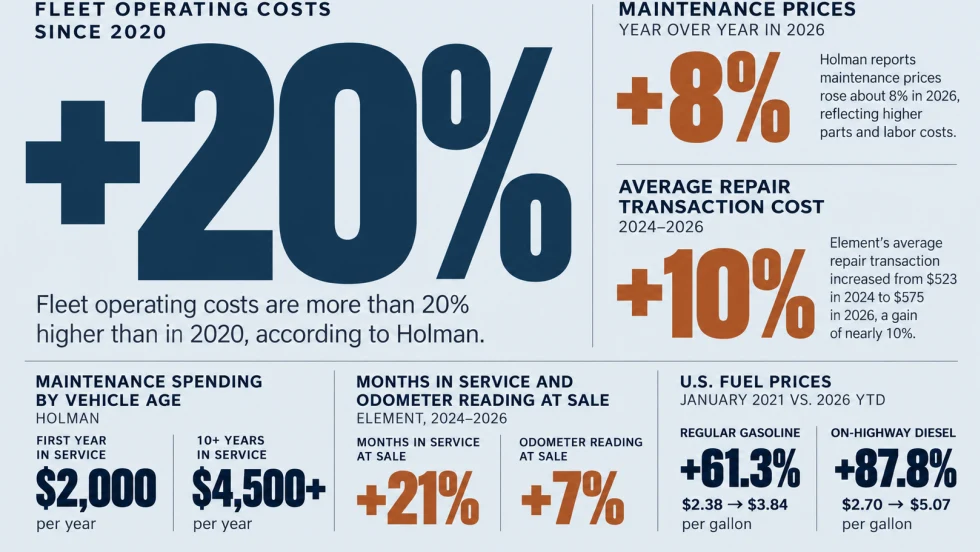
Managing Fleet Costs in an Era of Permanent Volatility
Fleet operating costs have risen more than 20% since 2020, raising a key question: When does extending a vehicle's service life stop making financial sense?
Read More →
The Next Evolution of Fleet Management: Autonomous Operations
This opening keynote session at the Fleet Forward Conference highlights the future of autonomous driving for fleets.
Read More →
How to Reduce the Total Cost of Risk From Catalytic Converter Theft
A stolen catalytic converter can cost fleets far more in downtime and lost productivity than in repairs. A total-cost-of-risk approach can help fleet managers quantify their exposure and prioritize theft prevention.
Read More →

Personal-Use Charges Rise as Vehicle Values Fall | AF News Recap
Personal-use charges are climbing, wholesale used-vehicle values are declining, and commercial fleet sales growth is slowing. This week, we're breaking down the latest fleet data, plus how Element Fleet Management is helping Waymo prepare for its first Canadian robotaxi market.
Read More →
Here's When You Should Make an Exception to Fleet Policy
Fleet policies are designed to create consistency, but not every driver or situation fits neatly within standard rules.
Read More →
AI-Native or AI-Acquired: What Should Fleet Managers Look for in an AI Platform?
Six questions can help fleet managers look beyond AI marketing claims to evaluate integration, data access, and real-world operational performance.
Read More →
A buyer's guide to fleet management software in 2027
Buying fleet management software in 2027 means looking beyond features and price. As fleet operations, technology and expectations evolve, this guide explores what today’s fleet professionals should consider when choosing a system that can deliver value now and adapt to what comes next.
Read More →
What Will Shape the Next Era of Fleet Management?
EVs, AI, and autonomous vehicles are reshaping fleet management. Discover what’s ahead—and how fleet leaders can prepare for the next era.
Read More →
How Fleets Can Recruit and Train Veterans for Technician Roles
Here's how the technician shortage has affected uptime for fleets, and what to do about it.
Read More →
Avis Budget Group Deploys Neology Toll Management Technology Across Major Brands
Neology’s neoFleet platform will manage toll transactions and toll-authority operations for vehicles across Avis, Budget, Payless, Budget Truck and Zipcar.
Read More →