




Business Groups File Suit to Block New Ergonomics Rules
Business groups filed a lawsuit in federal court on Nov. 13 to block new rules set by the Clinton administration to establish the first national standards to make workplaces ergonomically sensitive. Advocates say these rules would help prevent hundreds of thousands of repetitive-motion injuries each year. A final version of Clinton’s response to their pleas was set to be published in the Federal Register on Nov. 14. A key component to the dispute in one of the most sweeping – businesses say damaging – initiatives undertaken by the federal Occupational Safety and Health Administration (OSHA) is the study of how to adapt work conditions to the physical capacity of workers, which has gained attention since then-Secretary of Labor Elizabeth Dole raised it in the administration of President Bush. At a minimum, the rules to be published on Nov. 14 would require employers in most industries to notify their employees about musculoskeletal disorders, what causes them, and how to report them. According to the rules, if employers receive a valid complaint of work-related musculoskeletal disorder, they are required to fix workplace or job conditions, with steps ranging from what OSHA calls “quick fixes,” such as adjusting the height of a desk or chair, to more comprehensive steps that employers must take to fix repeated problems. Unless the standards are overturned by legal action, they will take effect Jan. 16. Businesses have to comply by October. OSHA estimates that the rules would cost employers $4.5 billion a year to implement but would save them $9.1 billion in savings in reduced workers compensation and medical costs. About 102 million workers at 6.1 million sites would be protected.
More Operations
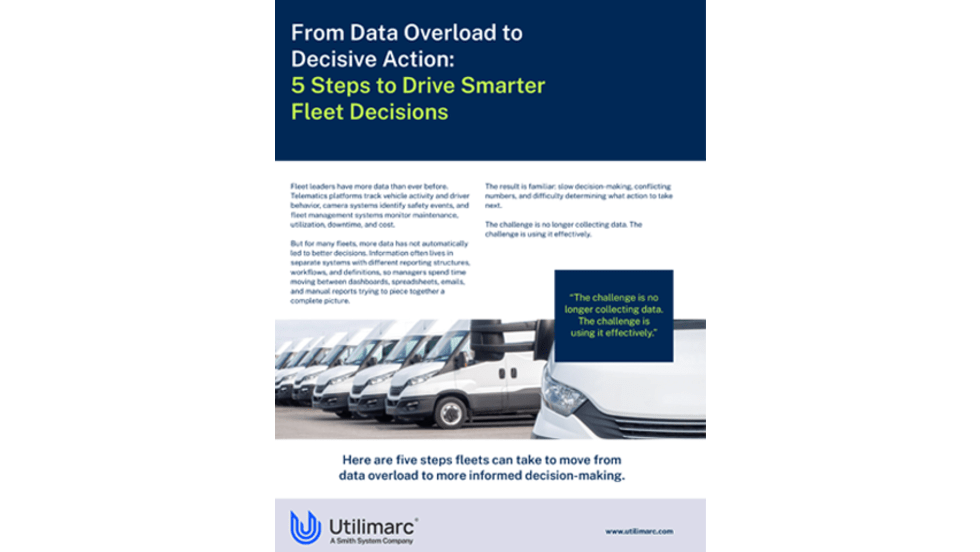
Turn Fleet Data Into Smarter Decisions
Fleet leaders have access to more operational data than ever, but disconnected systems and unclear metrics often slow decision-making instead of improving it. This article outlines five practical steps fleets can take to transform fragmented data into actionable insights that improve planning, safety, utilization, and long-term performance.
Read More →
Hybrids: Electrification Without the Challenges
For fleet managers, fuel is one of the biggest line items in the budget — and it's one hybrids can shrink without changing how your people work. Download the eBook to see the numbers, understand the technology, and get a step-by-step guide to making the switch.
Read More →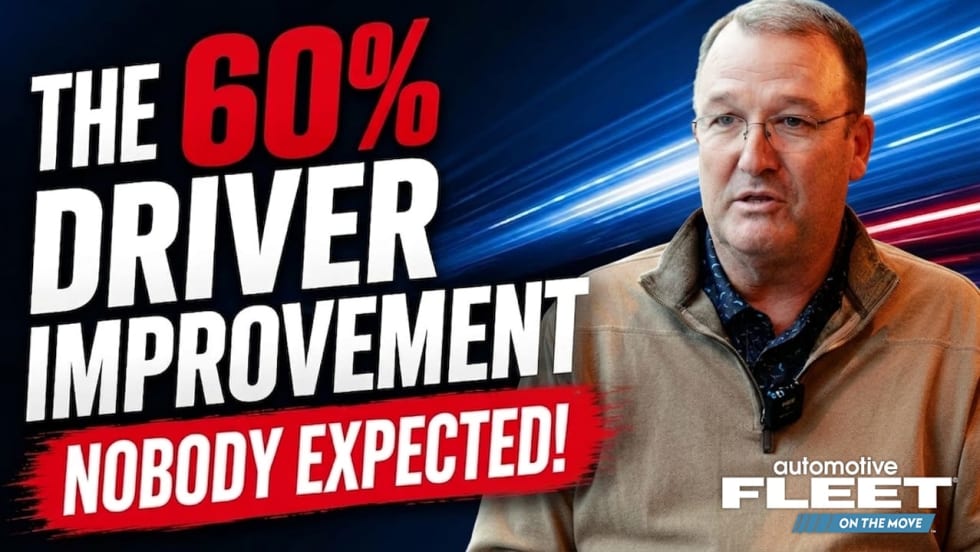
How NOV Uses Telematics to Improve Fleet Safety Across 160 Locations
James Victory of NOV discusses how the company manages fleet safety, maintenance, and telematics across more than 150 locations supporting oilfield operations throughout the U.S.
Read More →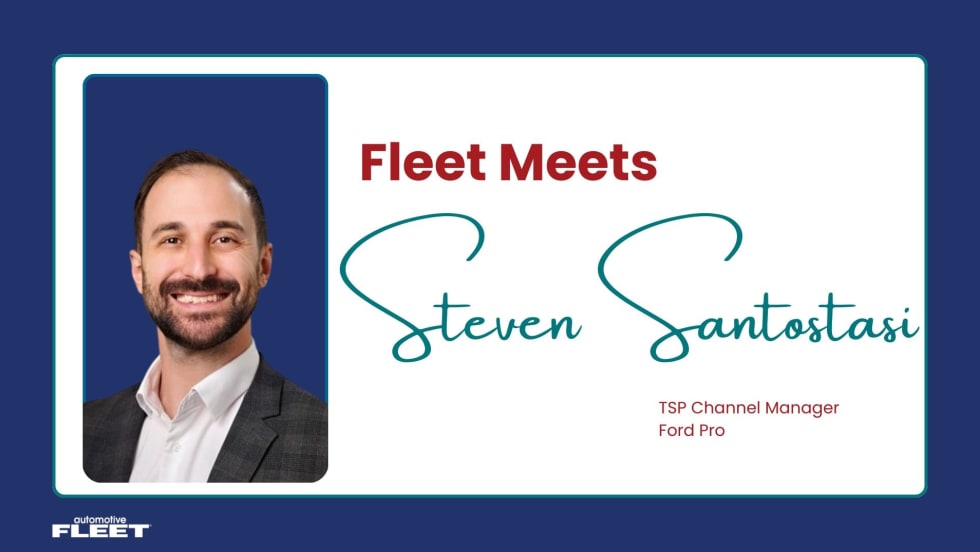
Fleet Meets: Steven Santostasi
This edition of the Fleet Meets series features Steven Santostasi, the current TSP channel manager for Ford Pro.
Read More →
Why Fleet Managers Are Replacing Departmental Vehicles with Shared Motor Pools
Departmentally assigned vehicles often create hidden costs through underutilization, poor visibility, and increased administrative burden. This white paper explores how shared motor pool strategies help fleets reduce costs, improve accountability, and optimize vehicle utilization.
Read More →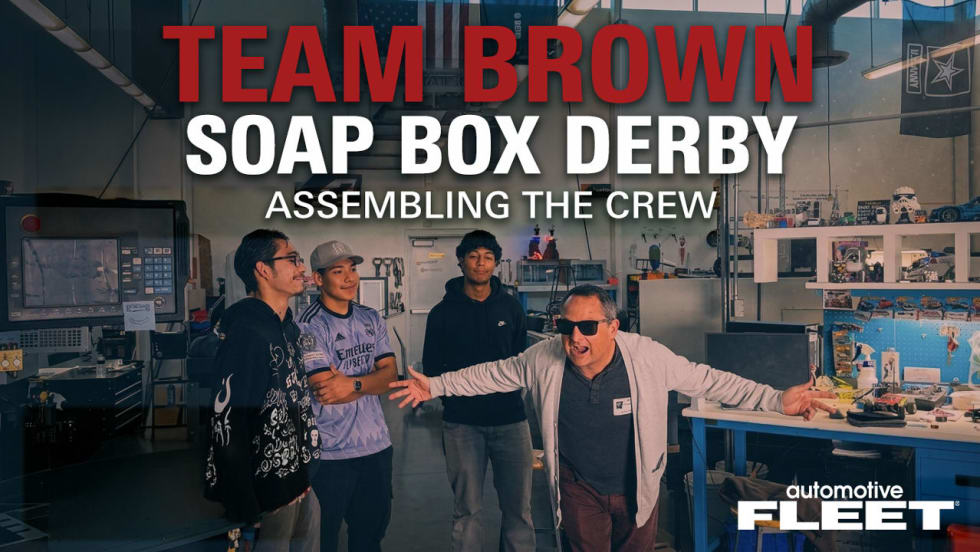
Soap Box Derby Challenge: Assembling the Crew
Meet Gabriel, Matthew, and Angel — the team helping bring this soap box derby build to life.
Read More →
BBL Fleet Acquires Velcor Leasing Corporation
BBL Fleet expanded its footprint in the fleet management industry with the acquisition of Velcor Leasing Corporation of Madison through a stock purchase agreement finalized Feb. 27, 2026.
Read More →
Lytx Introduces New AI Fleet Technologies at Protect 2026
The company introduced new AI-driven fleet safety and operations technologies during its annual user conference.
Read More →
Fleet Costs Are Rising: Here’s How Leaders Are Responding
Fleet leaders are under pressure to reduce costs, adapt to economic uncertainty, and make smarter decisions. See how peers across North America are responding with real data, proven strategies, and forward-looking insights. Download the 2026 Market Pulse Report to benchmark your strategy and uncover where you can gain an edge.
Read More →
From Waffle House to AI: Fleet Trends You Need to Know
In this AF news recap, host Faith Howell covers how Waffle House stepped up during disaster response and new AI tech on the market.
Read More →