




Bush Administration Prepares Plans for Possible GPS Shutdown
WASHINGTON, D.C. — President Bush has ordered plans for temporarily disabling the U.S. network of global positioning satellites during a national crisis to prevent terrorists from using the navigational technology, the White House said on December 15, according to a report by the Associated Press.
WASHINGTON, D.C. — President Bush has ordered plans for temporarily disabling the U.S. network of global positioning satellites during a national crisis to prevent terrorists from using the navigational technology, the White House said on December 15, according to a report by the Associated Press. Any shutdown of the network inside the United States would come under only the most remarkable circumstances, said a Bush administration official who spoke to a small group of reporters at the White House on condition of anonymity, according to the report. The GPS system is vital to commercial aviation and marine shipping. The president also instructed the Defense Department to develop plans to disable, in certain areas, an enemy´s access to the U.S. navigational satellites and to similar systems operated by others. The European Union is developing a $4.8 billion program, called Galileo. The military increasingly uses GPS technology to move troops across large areas and direct bombs and missiles. Any government-ordered shutdown or jamming of the GPS satellites would be done in ways to limit disruptions to navigation and related systems outside the affected area, the White House said. In May 2000, President Clinton abandoned the practice of deliberately degrading the accuracy of civilian navigation signals, a technique known as “selective availability.´´ The White House said it will not reinstate that practice, but said the president could decide to disable parts of the network for national security purposes. The White House said the policies were aimed at improving the stability and performance of the U.S. navigation system, which Bush pledged will continue to be made available for free. The U.S. network is comprised of more than two dozen satellites that act as beacons, sending location-specific radio signals that are recognized by devices popular with motorists, hikers, pilots, and sailors. Bush also said the government will make the network signals more resistant to deliberate or inadvertent jamming.
More Operations

How to Manage Conflict for Your Fleet Operations
Conflict management is becoming a core leadership skill. Here are five strategies fleet leaders should know.
Read More →
Turning Connected Vehicle Data Into Decisions That Matter
Fleet leaders have more data than ever, but turning that data into clear, actionable decisions remains a challenge. This white paper shows how leading organizations are using connected vehicle data to improve safety, reduce costs, and optimize fleet performance. Learn how to turn insight into action across your fleet.
Read More →
Cameras, Safety and Insurance: From Reactive Claims to Real-time Prevention
Commercial auto remains one of the most challenging and costly lines of coverage for fleet operators and insurers alike. Learn more about how to effectively address these issues from Onur Aksan, Enterprise Business Development Executive, Geotab.
Read More →

Are You Tracking Your Fleet's True Total Cost of Ownership?
Bobit Business Media surveyed 190 fleet professionals and found that while most fleets are tracking costs, fragmented systems and data gaps are keeping true TCO visibility out of reach. With rising pressure to control spend in an increasingly volatile environment, the gap between what fleets think they know and what the data actually shows is wider than you might expect. See how your peers are managing costs today and where the industry still has room to improve.
Read More →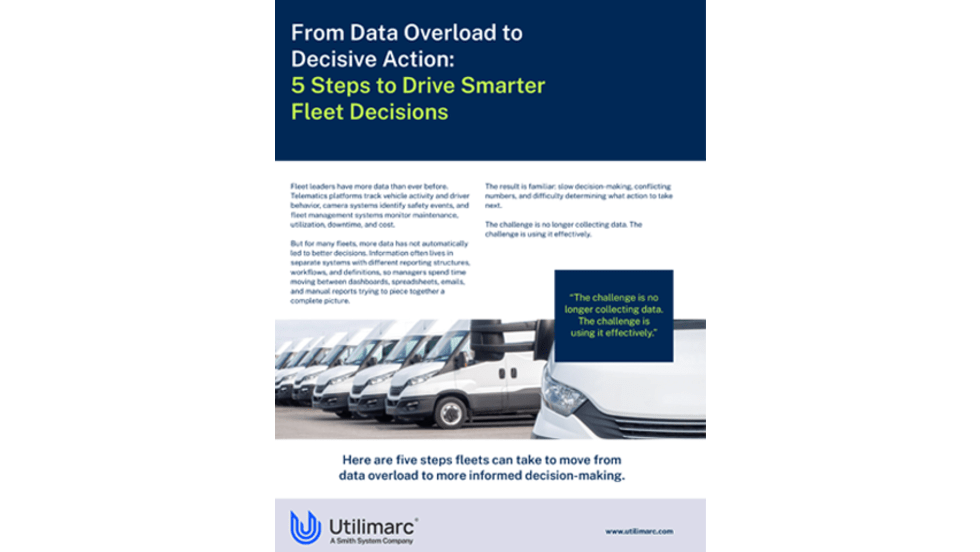
Turn Fleet Data Into Smarter Decisions
Fleet leaders have access to more operational data than ever, but disconnected systems and unclear metrics often slow decision-making instead of improving it. This article outlines five practical steps fleets can take to transform fragmented data into actionable insights that improve planning, safety, utilization, and long-term performance.
Read More →
Hybrids: Electrification Without the Challenges
For fleet managers, fuel is one of the biggest line items in the budget — and it's one hybrids can shrink without changing how your people work. Download the eBook to see the numbers, understand the technology, and get a step-by-step guide to making the switch.
Read More →
How NOV Uses Telematics to Improve Fleet Safety Across 160 Locations
James Victory of NOV discusses how the company manages fleet safety, maintenance, and telematics across more than 150 locations supporting oilfield operations throughout the U.S.
Read More →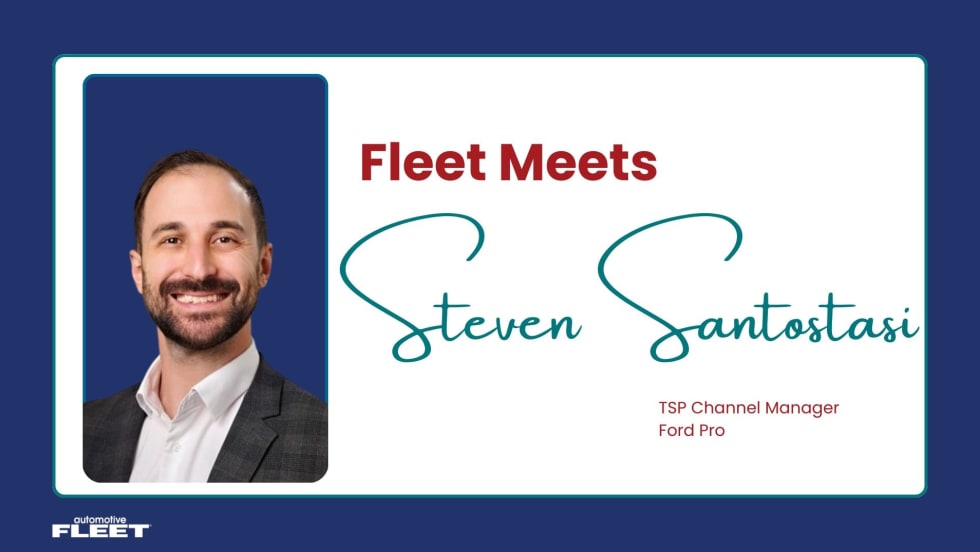
Fleet Meets: Steven Santostasi
This edition of the Fleet Meets series features Steven Santostasi, the current TSP channel manager for Ford Pro.
Read More →
Why Fleet Managers Are Replacing Departmental Vehicles with Shared Motor Pools
Departmentally assigned vehicles often create hidden costs through underutilization, poor visibility, and increased administrative burden. This white paper explores how shared motor pool strategies help fleets reduce costs, improve accountability, and optimize vehicle utilization.
Read More →
Soap Box Derby Challenge: Assembling the Crew
Meet Gabriel, Matthew, and Angel — the team helping bring this soap box derby build to life.
Read More →