




BMW's 5 Series Refreshes Engine Lineup
BMW's 5 Series will enter its seventh-generation as a lighter-weight luxury sedan with a new engine lineup and improved fuel efficiency, the automaker has announced.
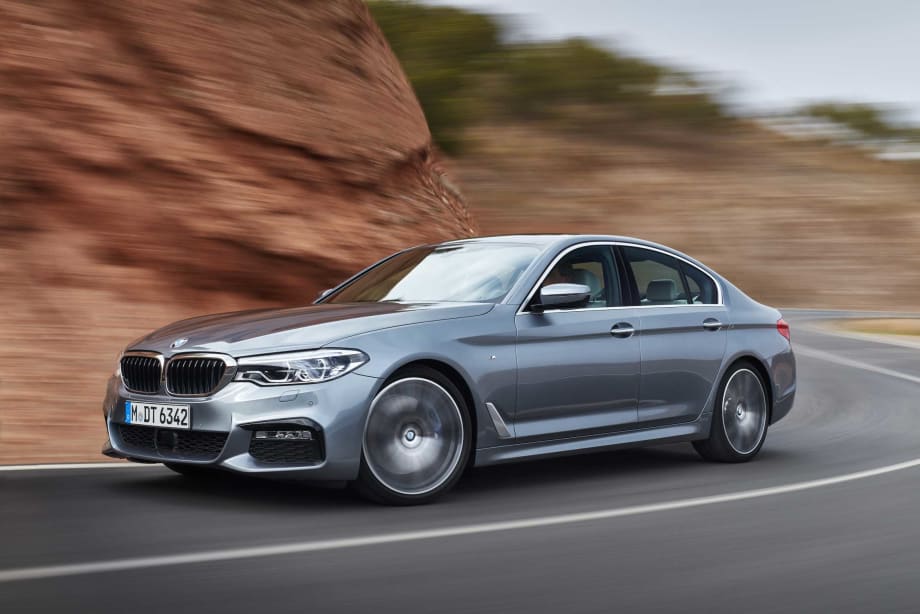
Photo of 2017 5 Series courtesy of BMW.
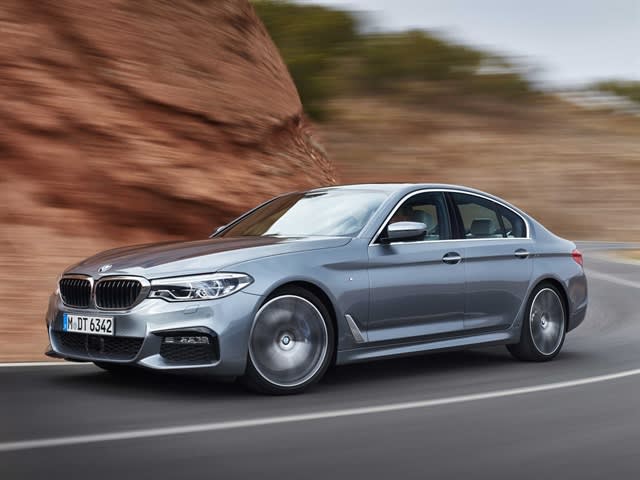
Photo of 2017 5 Series courtesy of BMW.
BMW's 5 Series will enter its seventh-generation as a lighter-weight luxury sedan with a new engine lineup and improved fuel efficiency, the automaker has announced.
When it launches the 2017 5 Series in February, BMW will offer the nameplate in the U.S. as the 530i powered by a 2.0L turbocharged four-cylinder (252 hp and 258 lb.-ft.) and 540i powered by a 3.0L turbocharged six-cylinder (340 hp and 332 lb.-ft). BMW's xDrive all-wheel drive system is available on both models.
BMW will also initially offer a pair of diesel-powered models (520d and 530d) in Europe.
BMW has reduced the carbon footprint on the models by 15% in part by reducing the weight of the sedans by up to 220 pounds (100 kilograms) by incorporating aluminum, high-tensile steel, and magnesium parts.
Interior upgrades include the addition of BMW's iDrive 6.0 infotainment system with gesture control, voice control, and heads-up display that was initially added to the current 7 Series.
BMW has added a productivity tool, by offering Microsoft Office 365 users a secure connection for exchanging and editing e-mail, calendar entries, and contact details.
The navigation system imports addresses from appointments, and telephone numbers can be dialed directly from a linked phone. The configurable ConnectedDrive live pad enables access to incoming emails or the user’s next appointment.
BMW will announce pricing for the 2017 5 Series closer to launch. The existing sixth-generation 5 Series debuted with the 2010 model year.
More Operations

A buyer's guide to fleet management software in 2027
Buying fleet management software in 2027 means looking beyond features and price. As fleet operations, technology and expectations evolve, this guide explores what today’s fleet professionals should consider when choosing a system that can deliver value now and adapt to what comes next.
Read More →
What Will Shape the Next Era of Fleet Management?
EVs, AI, and autonomous vehicles are reshaping fleet management. Discover what’s ahead—and how fleet leaders can prepare for the next era.
Read More →
How Fleets Can Recruit and Train Veterans for Technician Roles
Here's how the technician shortage has affected uptime for fleets, and what to do about it.
Read More →

Avis Budget Group Deploys Neology Toll Management Technology Across Major Brands
Neology’s neoFleet platform will manage toll transactions and toll-authority operations for vehicles across Avis, Budget, Payless, Budget Truck and Zipcar.
Read More →
Fleet Personal-Use Charges Edge Higher in 2026
Nearly eight in 10 surveyed fleets allow personal use of company vehicles, while just over half of respondents report charging employees for the privilege.
Read More →
The Future of Fleet + What’s Changing Right Now | AF News Recap
Could developments overseas offer a preview of what’s coming for U.S. fleets? This week, we’re looking at the future of AI, autonomy, and electrification, plus Ford Pro’s new certified pre-owned program, smarter vehicle offboarding, and a new way for fleets to manage toll expenses.
Read More →
How to Handle Vehicle Offboarding
What do fleet managers need to do when a driver leaves?
Read More →
Fleet Manager’s Ultimate Playbook: Navigating the New Standard in OEM Connectivity
Rising operating costs, driver safety concerns, and unplanned downtime are putting unprecedented pressure on modern fleets. Discover how fleet managers use embedded OEM connectivity and real-time vehicle data to cut TCO, prevent downtime, and protect drivers without aftermarket telematics hardware.
Read More →
U.S. Bank Adds Verra Mobility Toll Management to Voyager Fleet Platform
The integration allows U.S. Bank Voyager fleet customers to manage toll payments and violations alongside fuel, EV charging and maintenance expenses.
Read More →
ADAS Prevents Crashes. But Repairs Cost More | AF News Recap
ADAS-equipped vehicles may crash less often, but they can cost more when they do. This week, we’re breaking down what that tradeoff means for fleets, plus Subaru’s first Forester Wilderness Hybrid, Nissan’s new e-POWER Rogue, and why Calstart has become Catalyst Mobility.
Read More →