




BMW Will Sell Fewer Cars in America to Avoid Losses
MUNICH, GERMANY – With 16 straight years of continuous growth in the U.S. market, the troubled U.S. economy has caught up with the manufacturer.
MUNICH, GERMANY – With 16 straight years of continuous growth in the U.S. market, the troubled U.S. economy has caught up with the manufacturer. BMW U.S. CEO Jim O’Donnell believes the good times may finally be coming to an end. In order to avoid going into the red, he now wants to stop pushing for maximum sales volume until conditions improve, suggests shifting U.S.-bound cars to markets where profits are better, and even believes reintroducing four-cylinder engines could help the automaker cope with high gas prices, according to Automotive News.
O’Donnell expects BMW sales to fall 10 percent in 2008, the first year they haven’t grown since the early 1990s. And as part of this strategy, BMW will shift 44,000 vehicles allocated for the United States to other markets where sales will be more profitable. Even popular vehicles like the X3 are being moved to other countries because they aren’t making money.
O’Donnell also plans to change some of the ways BMW does business, first by cutting leasing by at least 10 percent, eliminating 90 North American jobs, working to improve customer satisfaction, and ending the company’s annual December clearance event.
And, according to Automotive News when O’Donnell presents the details of his plan to his German superiors in January, he intends to suggest the automaker bring four-cylinder engines back to the American market. Currently, BMW USA offers nothing smaller than an inline-six-cylinder powerplant, while European customers can choose from a variety of fuel-efficient four-cylinders and diesels.
BMW has already reduced its leasing activity by 13 percent, and incentives will not be offered on the manufacturer’s three newest models — the 1 Series, X6, and M3.
More Operations

Fleet Has a Talent Pipeline Problem. What Comes Next? | AF News Recap
Where will fleet’s next generation of leaders come from? This week, we’re looking at the industry’s talent pipeline, what certification can add to a fleet career, how to build an award-worthy track record, and the return of Automotive Fleet’s Personal Use Survey.
Read More →
Smith System Launches Driver Risk Management Program
Fleets have more driver data than ever, but identifying risky behavior doesn't necessarily correct it. Smith System's new Driver Risk Management program combines monitoring, training, and follow-up coaching to help fleets connect risk signals with driver intervention.
Read More →
Automotive Fleet Opens 2026 Personal Use Survey for Commercial Fleet Managers
Less than two weeks left! Commercial and corporate fleet managers are invited to share how their organizations handle company vehicle personal-use policies, charges, and driver eligibility.
Read More →
From AI Prompts to AI-Generated Safety Songs | AF News Recap
Can better prompts make AI more useful for fleet managers? This week, we’re breaking down smarter fleet analysis, an AI-assisted experiment that turned safety training into music, and what happened to fuel prices in August.
Read More →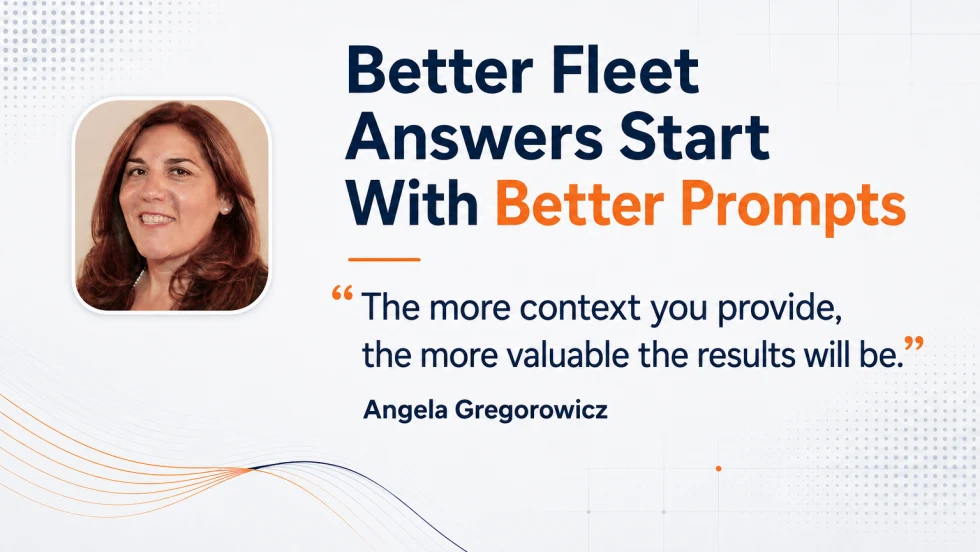
How to Write Better AI Prompts for Fleet Analysis
Include these six elements in your fleet prompts to generate more relevant analysis and accurate answers.
Read More →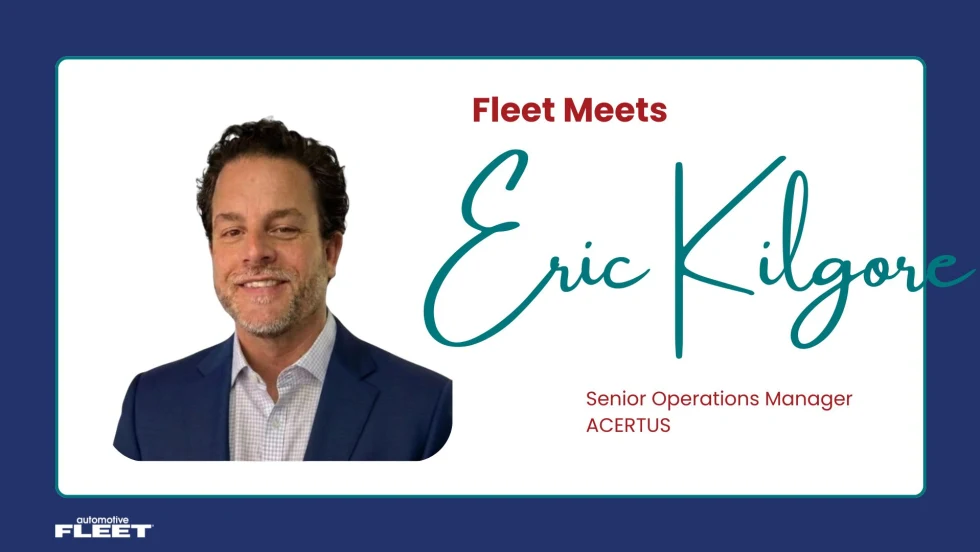
Fleet Meets: Eric Kilgore
This edition of the Fleet Meets series features one of the industry's best leaders driving multi-market and national operations.
Read More →
Why Reactive Fleet Management Is Becoming Too Expensive to Sustain
Research highlights a growing need for proactive management strategies to address rising costs in fleet operations effectively.
Read More →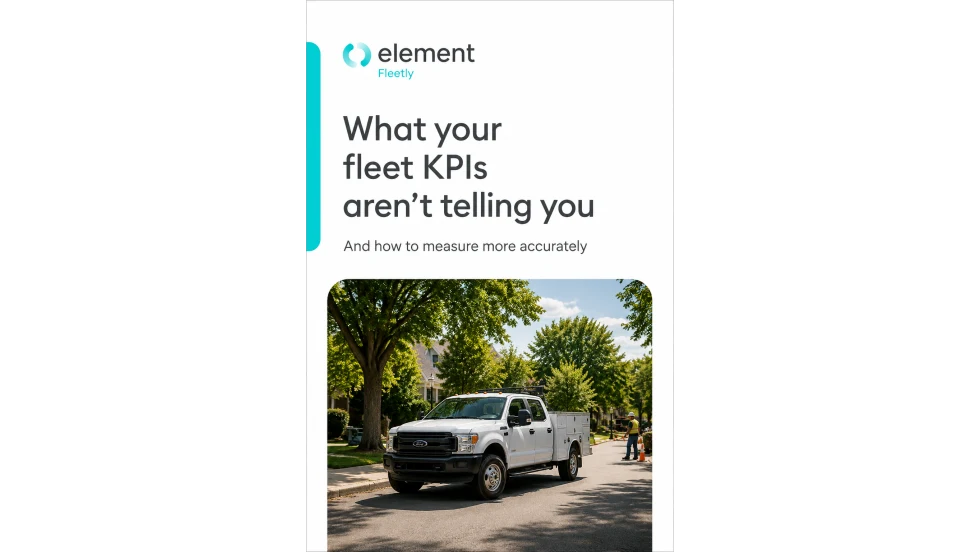
What Your Fleet KPIs Aren’t Telling You
Tracking fleet metrics is only useful when the data leads to better decisions. This guide helps fleet leaders assess cost, utilization, and downtime more accurately, identify performance gaps, and prioritize the actions that can improve operational results.
Read More →
Hidden in Plain Sight: Fleet Compliance Risks
Fleet compliance isn't just about having policies — it's about consistently enforcing them. This practical guide reveals six hidden compliance risks common in public sector and shared fleet operations and outlines proven strategies to improve visibility, accountability, and audit readiness
Read More →
Turning Fleet Payment Data into Executive Insights
Does data alone drive results in operations?
Read More →