




BMW Shows New Models, Engine, and Connected Vehicle Tech
GENEVA - BMW showcased a number of its planned 2012 models at the International Geneva Motor Show, discussed its new 4-cylinder engine, and showed the latest version of its ConnectedDrive technology.
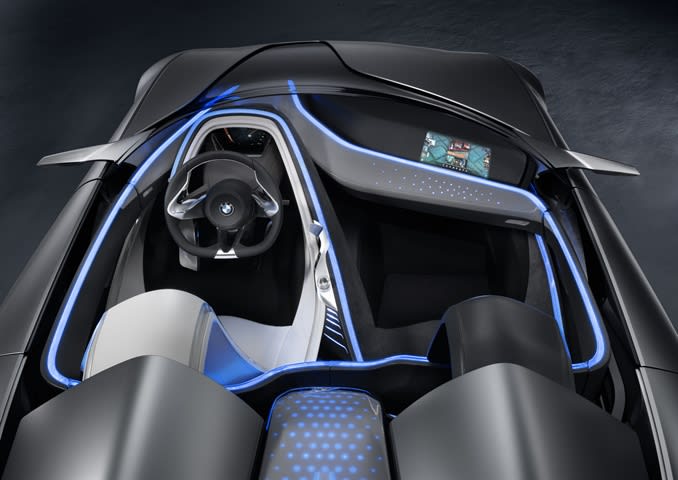
BMW's ConnectedDrive in the Vision ConnectedDrive concept vehicle.
GENEVA – BMW showcased a number of its planned 2012 models at the International Geneva Motor Show, the new 6 Series, the 1 Series M Coupe, the BMW M5, and the second-generation BMW 1 Series, discussed its new 4-cylinder engine, and showed the latest version of its ConnectedDrive technology in a roadster concept.
The company said that all of these models are equipped with the company’s new “Efficient Dynamics” technology package, which involves a new generation of more efficient engines, lightweight construction, aerodynamics, and intelligent energy management.
One of these new engines that will power the BMW X1 from spring 2011 on is the company's new 4-cylinder 2L engine that offers the same TwinPower Turbo technology in the automaker’s 6-cylinder engine. The company said it can produce a maximum 245 hp. BMW improved the engine’s fuel economy from 25.023 to 29.77 mpg, torque by 13 percent, and reduced emissions by 16 percent.
The company said its Efficient Dynamics program is also designed to further development of hybrid and electric drives. The MINI E test fleet has covered around 6,835,083 miles (11 million km) so far. Its second test vehicle for electric mobility is the BMW ActiveE. It is fitted with an electric drivetrain, developed by BMW in-house. New lithium-ion energy storage units allow for a range of 99.4 miles (160 km) in everyday use. Deliveries to customers in the US are scheduled for September.
BMW also showcased the latest version of its ConnectedDrive technology, which enables greater portable device connectivity in the vehicle and access to information on outside networks. The company said that a user’s smartphone will automatically link to the vehicle as soon as he or she enters. In the future, the car will synchronize with calendars on smartphones and other devices, so it will know when and where you have an appointment. An address entered in a phone will instantly be transferred to the navigation system, which in turn will look for the best route. This also includes updated traffic information and parking spots close to a destination. The company also said that this technology will involve active safety, i.e. accident prevention, for example BMW Night Vision, and eventually vehicle-to-vehicle communication.
More Operations

Fleet Meets: Eric Kilgore
This edition of the Fleet Meets series features one of the industry's best leaders driving multi-market and national operations.
Read More →
Why Reactive Fleet Management Is Becoming Too Expensive to Sustain
Research highlights a growing need for proactive management strategies to address rising costs in fleet operations effectively.
Read More →
What Your Fleet KPIs Aren’t Telling You
Tracking fleet metrics is only useful when the data leads to better decisions. This guide helps fleet leaders assess cost, utilization, and downtime more accurately, identify performance gaps, and prioritize the actions that can improve operational results.
Read More →


Hidden in Plain Sight: Fleet Compliance Risks
Fleet compliance isn't just about having policies — it's about consistently enforcing them. This practical guide reveals six hidden compliance risks common in public sector and shared fleet operations and outlines proven strategies to improve visibility, accountability, and audit readiness
Read More →
Turning Fleet Payment Data into Executive Insights
Does data alone drive results in operations?
Read More →
Automotive Fleet Opens 2026 Personal Use Survey for Commercial Fleet Managers
Commercial and corporate fleet managers are invited to share how their organizations handle company vehicle personal-use policies, charges, and driver eligibility.
Read More →
Gary Van Orden Retires After Nearly Four Decades in Commercial Fleet
From answering customer calls at Ford Motor Company to leading fleet sales across multiple OEMs and a fleet management company, Gary Van Orden's career reflects nearly four decades of leadership in commercial fleet.
Read More →
How Stellantis Plans to Get Ahead of Fleet Downtime
Vehicle acquisition may grab the headlines, but fleet uptime increasingly determines operating success. Darren Bradshaw of Mopar North America gives the details.
Read More →
Hyundai Releases 2027 Commercial Program Incentives
The 2027 Model Year "Fleet Street Incentives" are available to commercial and government fleets.
Read More →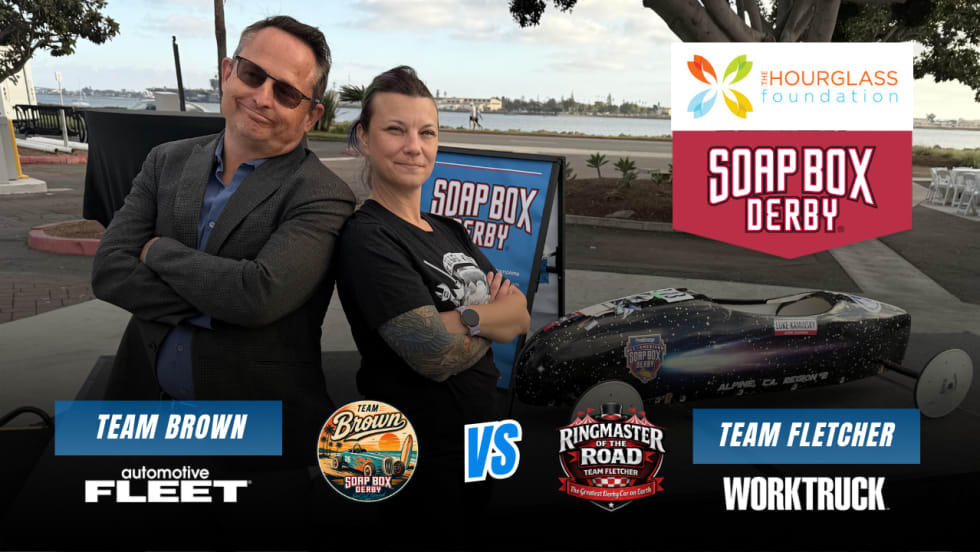
It's All Downhill from Here! Fleet Industry Raises $22,000 for Skilled Trades Scholarships
Work Truck’s Lauren Fletcher and Automotive Fleet’s Chris Brown turned a friendly racing rivalry into $22,000 for automotive technology and skilled trades scholarships.
Read More →