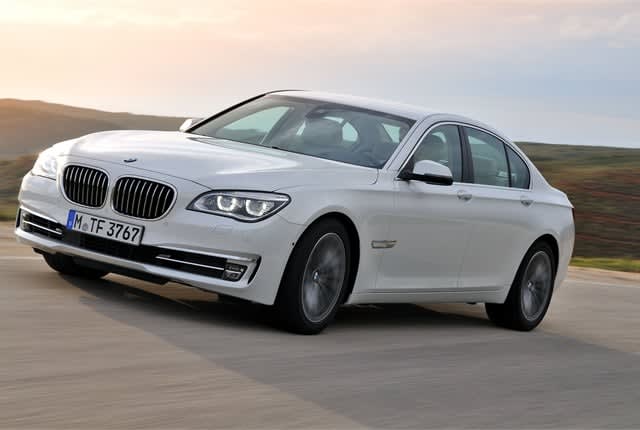
The BMW i3 features a 170 horsepower hybrid-synchronous electric motor powered by a 22-kWh lithium-ion battery. The vehicle’s range is 80 to 100 miles, and the automaker plans to offer an optional two-cylinder gasoline range extender engine, which will improve the vehicle’s range to 160 to 180 miles.
by Staff
August 20, 2013
1 min to read
World premiere BMW i3 in New York City, USA July, 20, 2013. Photo courtesy BMW.
BMW’s retail price is $41,350, before federal and state incentives, for its all-new i3 electric vehicle.
The BMW i3 features a 170 horsepower hybrid-synchronous electric motor, powered by a 22-kWh lithium-ion battery. The vehicle’s range is 80 to 100 miles, and the automaker plans to offer an optional two-cylinder gasoline range extender engine, which will improve the vehicle’s range to 160 to 180 miles.
Ad Loading...
The automaker plans to offer a charging station and said that the vehicle can charge at any public charging station that uses a Level 2 SAE J1772 charging system. DC fast charging, using the SAE DC Combo-Fast Charger, is another charging option. From a public fast-charging station, BMW said the battery can go from a fully depleted battery to 80 percent of charge in 20 minutes.
The automaker said the vehicle will debut at three simultaneous events in New York, London, and Beijing and arrive in the second quarter of 2014.
For fleet managers, fuel is one of the biggest line items in the budget — and it's one hybrids can shrink without changing how your people work. Download the eBook to see the numbers, understand the technology, and get a step-by-step guide to making the switch.
Fleet managers are done with the debate—and focused on execution. Learn how to build a practical electrification strategy that aligns infrastructure, operations, and financing while keeping costs controlled and deployment scalable with support from Blink Charging. Discover how smart planning today positions fleets for long-term performance and ROI.
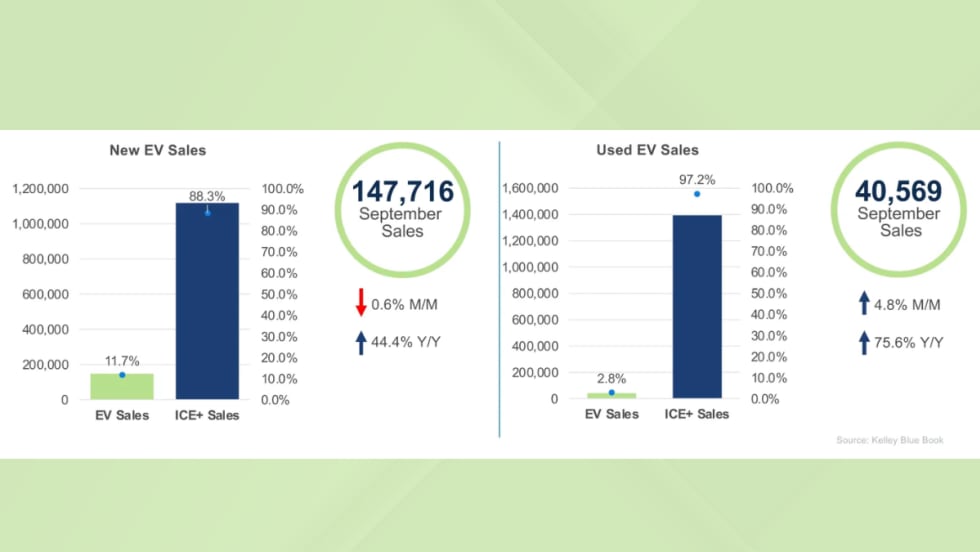
New industry group data revealed that light-duty electric vehicle sales are hitting record market share and volumes, while commercial EV volume dipped. What’s driving the fluctuations?
With the expiration of federal incentives, EV success now hinges less on government policy and more on discounts, battery tech progress, increased range, and broader infrastructure.
Fleet operators shared their challenges during an annual conference that embraced the latest advances across all aspects of running private- and public-sector vehicles.