





Related News: Making Sense of the Mess: Powertrain Options
BMW Bets on Powertrain Diversity: X5 to Offer Battery, Hybrid, Gas, Diesel, and Hydrogen
BMW expands its powertrain lineup with the upcoming iX5 Hydrogen, the brand’s first hydrogen-powered series model, complementing battery, hybrid, gas, and diesel options.
September 30, 2025
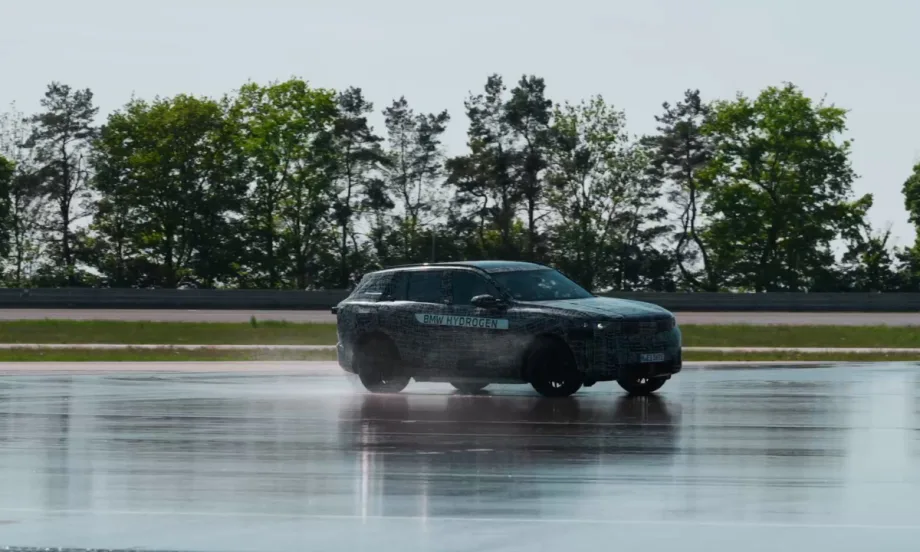
A camouflaged BMW iX5 Hydrogen undergoes track testing as the brand prepares its first series-produced hydrogen-powered vehicle.
Photo: BMW
2 min to read
BMW announced plans to produce the new X5 with five drivetrain technologies: battery electric, plug-in hybrid, gasoline, diesel (outside the U.S.), and hydrogen fuel cell.
The move is part of the company’s “technology-open” strategy, which emphasizes offering multiple powertrain options to meet varying customer needs globally.
Leadership Perspective
“Launching the X5 with five drivetrain variants highlights our ongoing commitment to diverse technologies,” said Joachim Post, member of the Board of Management of BMW AG, Development. “Hydrogen will play an important role in decarbonization, and we are continuing to invest in advancing this technology.”
Flexible Manufacturing
BMW said its manufacturing structures allow multiple drivetrains to be integrated efficiently across development, purchasing, and production. Beginning in 2028, the brand will offer two types of electric drivetrains: battery electric and hydrogen fuel cell.
BMW iX5 Hydrogen
Following global pilot testing, the BMW iX5 Hydrogen will enter production as the brand’s first hydrogen-powered series model.
“The iX5 Hydrogen will deliver typical BMW driving performance while introducing hydrogen technology to the lineup,” said Michael Rath, vice president, Hydrogen Vehicles BMW Group.
The vehicle uses BMW’s third-generation fuel cell system, developed with Toyota Motor Corporation. The system is designed to improve efficiency and range while reducing energy consumption.
Benefits of Hydrogen Technology
BMW noted that hydrogen can serve as a storage medium for renewable energy, balancing supply and demand and supporting energy grid stability. The automaker said hydrogen is an effective complement to battery-electric vehicles in applications where batteries may not be optimal.
HyMoS Initiative
Alongside the launch of the iX5 Hydrogen, BMW is supporting the HyMoS (Hydrogen Mobility at Scale) initiative, aimed at developing hydrogen ecosystems and refueling networks.
The program is designed to pool demand from trucks, buses, and passenger cars to increase station utilization and economic viability. Initial pilot programs are underway in Germany and France, with potential expansion to other markets.
More Vehicle Research
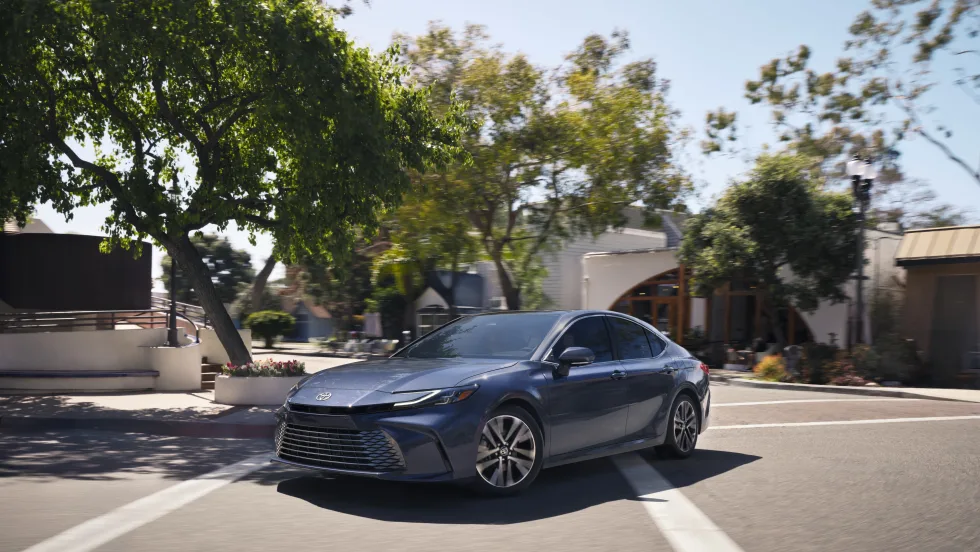
2027 Toyota Camry Offers Hybrid Powertrain Across Five Grades
The 2027 Toyota Camry is a carryover with new pricing.
Read More →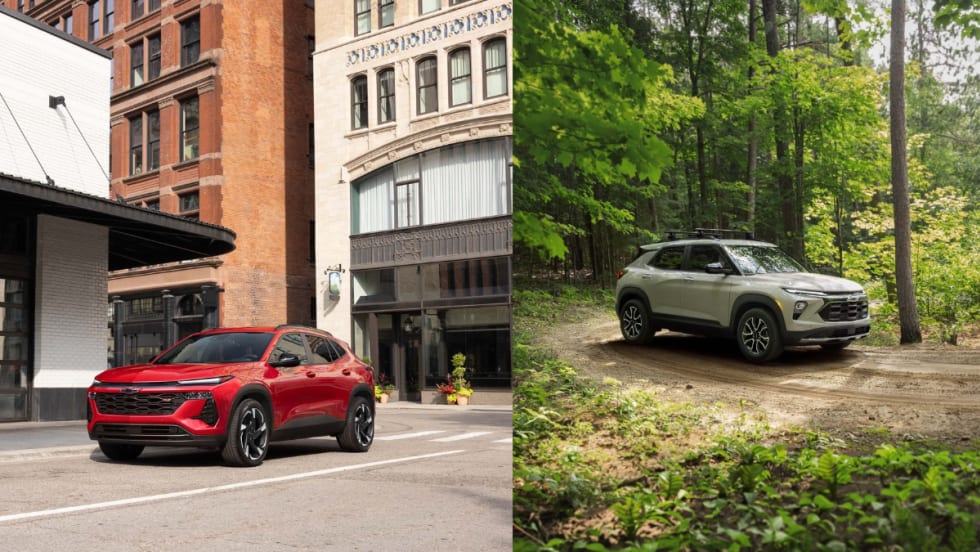
Chevrolet Updates 2027 Trax and Trailblazer with More Standard Safety Features
Chevrolet is updating two of its smallest SUVs with added driver-assistance technology, redesigned interiors, and revised trim options. The changes could add more safety equipment as standard for commercial fleets, while a new Trailblazer configuration adds another all-wheel-drive option.
Read More →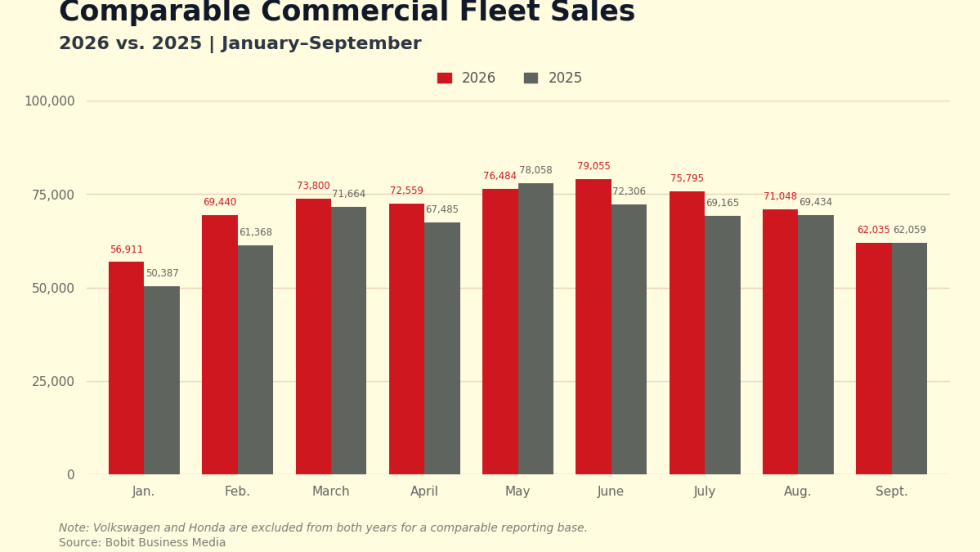
Commercial Fleet Sales Rise 5.8% Through September 2026
September commercial fleet sales were essentially unchanged from a year earlier, slowing year-to-date growth while keeping volume ahead of 2025.
Read More →
Hall of Fame Inductee: John Dmochowsky
The longtime Mondelēz International fleet executive joins the Automotive Fleet Hall of Fame.
Read More →
Hall of Fame Inductee: Lee Miller
After more than four decades at Boehringer Ingelheim, Lee Miller leaves a legacy built on fleet expertise.
Read More →
Hall of Fame Inductee: Mark F. Petersen
From managing fleets of thousands of vehicles to advancing safety and mentoring fellow professionals, Mark F. Petersen made his mark across both the corporate and supplier sides of fleet.
Read More →
When Charger Downtime Becomes a Fleet Availability Problem
As EV deployments move beyond pilot programs, charger reliability can directly affect vehicle readiness, driver productivity and route scheduling.
Read More →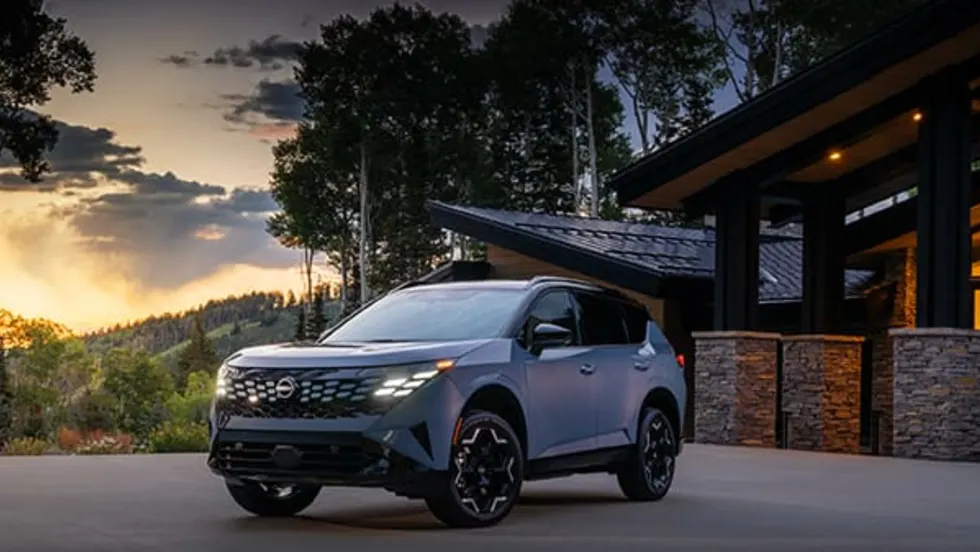
2027 Nissan Rogue Hybrid Adds e-POWER, Standard AWD
The new Rogue Hybrid uses Nissan’s e-POWER system with dual electric motors, offers an estimated 40 mpg and starts at $35,490.
Read More →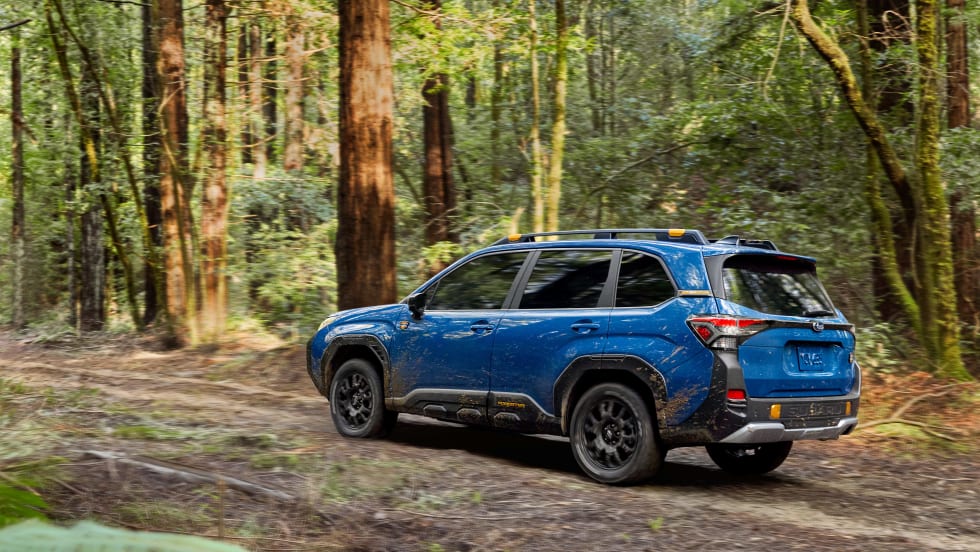
2027 Subaru Forester Adds First Wilderness Hybrid
The 2027 Forester lineup starts at $29,995 and adds a Wilderness Hybrid with 194 combined horsepower and 9.3 inches of ground clearance.
Read More →
EV Realty Names Henrik Holland President as Charging Platform Expands
The former Prologis Mobility and Shell executive will help expand EV Realty’s truck charging business and move its power-first infrastructure model into autonomous vehicle depots and other fleet sectors.
Read More →