




Related: Could Tesla Solve EV Range Issues With Battery Swapping System?
Battery Breakthrough Could Triple EV Range
New research at the University of Waterloo in Canada could lead to the development of batteries with triple the range of current battery technology for electric vehicles.
by Staff
December 12, 2017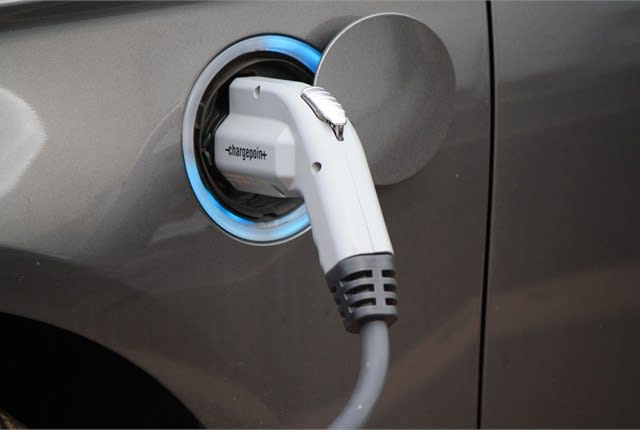
Photo via Noya Fields/Flickr
2 min to read
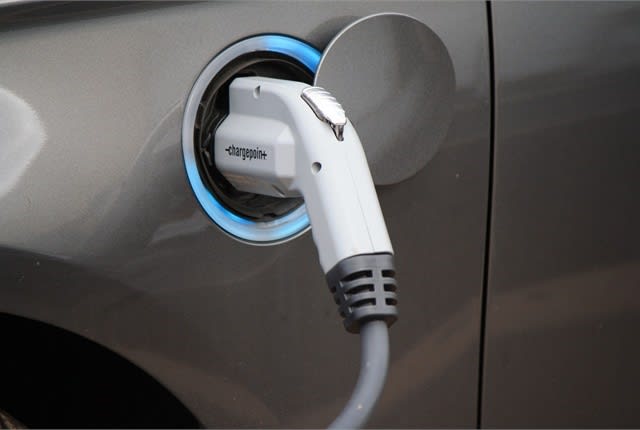
Photo via Noya Fields/Flickr
New research at the University of Waterloo in Canada could lead to the development of batteries with triple the range of current battery technology for electric vehicles.
Quanan Pang, who led the research while a PhD candidate at Waterloo, and his fellow researchers made a breakthrough involving the use of negative electrodes made of lithium metal. The material has the potential to dramatically increase battery storage technology.
With increased energy density and therefore energy capacity, electric vehicles could see as much as three times the range on a single charge.
“This will mean cheap, safe, long-lasting batteries that give people much more range in their electric vehicles,” said Pang.
In developing the technology, two challenges arose for researchers. The first involved a risk of fires and explosions caused by microscopic structural changes to the lithium metal during repeated charge-discharge cycles. The second involved a reaction that creates corrosion and limits both how well the electrodes work and how long they last.
Researchers were able to solve both problems by adding a compound of phosphorus and sulfure to the electrolyte liquid carrying a charge within batteries.
The full research paper was published in the journal Joule.
“We wanted a simple, scalable way to protect the lithium metal,” said Pang, now a post-doctoral fellow at the Massachusetts Institute of Technology. “With this solution, we just add the compound and it works by itself.”
More Green Fleet
Sponsored•October 1, 2026
New Propane Autogas Program Offers Fleet Compensation
Qualified commercial fleets can receive $7,500 per eligible propane autogas vehicle and up to $10,000 for new refueling site prep. Learn how the program works and see whether your fleet qualifies.
Read More →
EV Charging Use Is Outpacing Infrastructure Growth
ChargePoint’s 2026 Charging Forward Report points to rising charger use, higher-powered charging, commercial vehicle electrification, and energy-management technology. Here’s what fleets should know.
Read More →
Merchants Fleet Reports 290M EV Miles as Fleets Navigate Changing Electrification Market
From millions in operating savings to hundreds of millions of EV miles, Merchants Fleet’s latest report reveals what’s working and what’s changing in fleet electrification.
Read More →
The EV Breakdown Nobody's Talking About: Why Most Electric Vehicle Roadside Calls Aren't Mechanical Failures
Here's why EV breakdowns are widely misunderstood.
Read More →
ChargePoint Now Available in Energy Pass
ChargePoint and additional planned charging network integrations were added to GM's Energy Pass.
Read More →

First Look: Slate Auto's Electric Fleet Pickup
Could an affordable, modular EV pickup make electrification more practical for fleets?
Read More →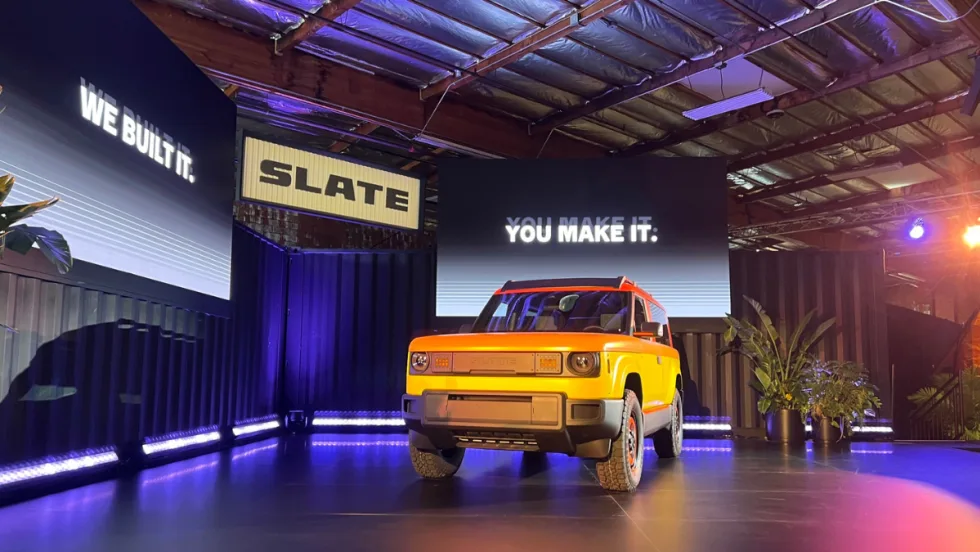
Slate Debuts Colorful, Unique EV Models
A recent media and client event, studded with electric vehicles dressed up on platforms, planted a new position for the manufacturer in the wider EV market. Fleets will find cost-saving advantages.
Read More →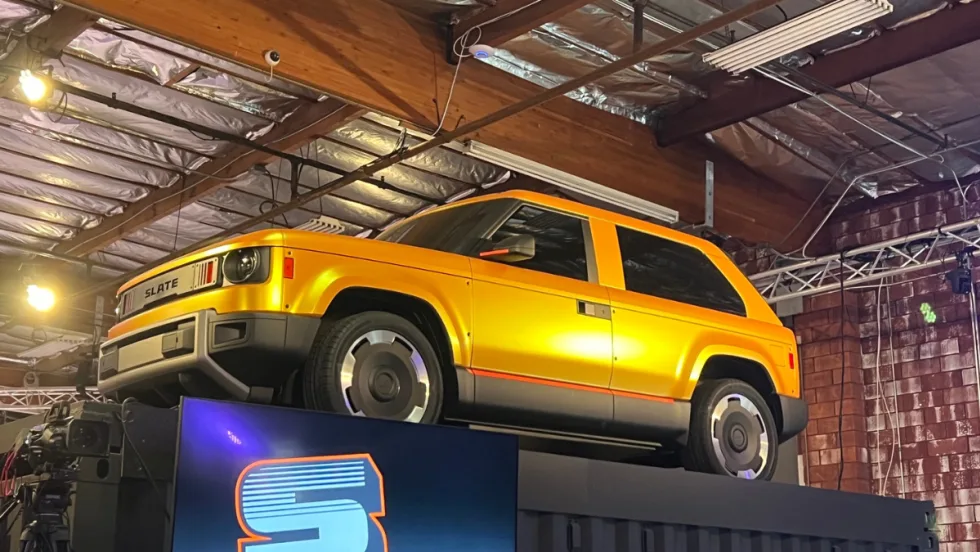
Slate Electric SUV, Pickup Switchable Model Aims For Light-Duty Fleets
Everything about this EV is counterintuitive and understated, making it stand out from the crowd.
Read More →
Inspiration Mobility Acquires Key Electrada Assets
Inspiration Mobility Group has acquired select assets of Electrada, adding the fleet electrification provider's team, technology, and charging infrastructure development capabilities to its energy management business.
Read More →