




BASF Ramps Up EV Battery R&D
LUDWIGSHAFEN, GERMANY – Chemical giant BASF announced plans to invest a three-digit million euro sum in researching, developing and producing electric vehicle battery materials over the next five years. The investment will include construction of a production plant for advanced cathode materials in Elyria, Ohio.
LUDWIGSHAFEN, GERMANY – Chemical giant BASF announced plans to invest a three-digit million euro sum in researching, developing and producing electric vehicle battery materials over the next five years. The investment will include construction of a production plant for advanced cathode materials in Elyria, Ohio.
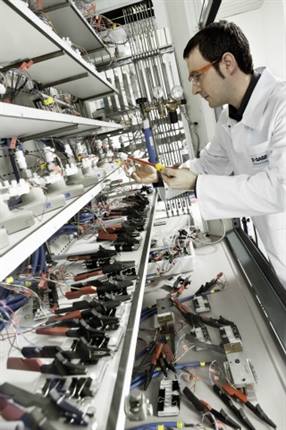
BASF lab technician Christian Saffert tests various lithium-ion batteries.
This new facility, requiring an investment of more than $50 million, is expected to supply the market with cathode materials for the production of high-performance lithium-ion batteries from mid-2012.
BASF has also entered the field of electrolyte development. High-quality tailored electrolytes are essential for battery performance.
“By entering into the electrolyte business we are expanding our portfolio of innovative solutions for high-performance lithium-ion batteries and as a future system supplier, we will be able to support our customers' competitiveness in the electromobility field,” said Dr. Andreas Kreimeyer, research executive director of BASF SE.
In addition to developing materials for lithium-ion batteries, BASF is researching future battery concepts such as lithium-sulfur and lithium-air.
“With our research activities we are substantially contributing to making electric cars affordable, environment friendly and sustainable,” Kreimeyer explained. “For this we need batteries and further innovative components that provide a greater driving range with less weight and lower costs.”
To compensate for the additional battery weight of about 200 kg and allow for an acceptable driving range, the weight of electric vehicles must be reduced through lightweight construction components. This naturally places new demands on the materials, including completely new properties in terms of temperature stability, electromagnetic screening and fire resistance.
Although plastics already contribute greatly to vehicular weight savings when incorporated in the chassis, interior and engine compartment, further multifunctional lightweight construction concepts are needed. For example, BASF is working on fast-curing epoxy, polyurethane and polyamide resins for fiber reinforced composites to be used in the manufacture of lightweight vehicle bodies. These materials can provide further weight savings of up to 100 to 150 kilograms in structural components and chassis.
BASF also offers solutions for improving heat management in electric cars. “When the temperatures rise in summer, the car's air conditioner consumes additional energy, reducing the vehicle’s driving range,” Kreimeyer said. When incorporated in interiors and automotive coatings, pigments that reflect the heat-generating infrared rays of sunlight prevent the temperature from getting too high inside the car. And while the combustion engine provides exhaust heat in winter, an electric vehicle consumes electricity to heat the interior. To keep energy consumption low under these conditions, it is necessary to insulate electric vehicles against the cold with high-performance foams. This also increases the car’s driving range.
“Electromobility will only significantly contribute to environmental and climate protection when the electricity from the batteries has been generated high efficiently and with less CO2,” Kreimeyer said. “Therefore, we are investing in research to find ways of generating electricity from renewable energy technologies such as wind and solar energy. We are also developing innovative storage technologies because in our latitudes these forms of energy are not available 24/7.”
More Green Fleet
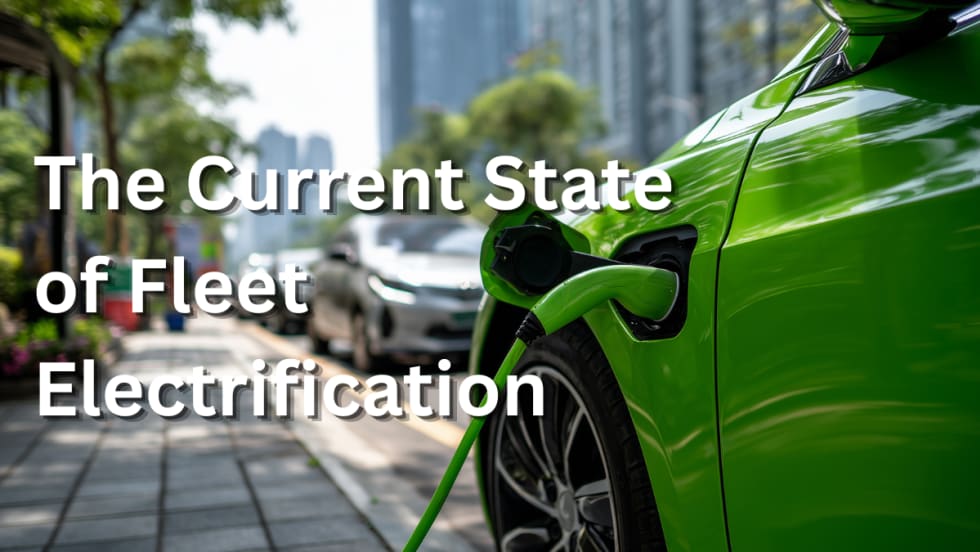
Merchants Fleet Reports 290M EV Miles as Fleets Navigate Changing Electrification Market
From millions in operating savings to hundreds of millions of EV miles, Merchants Fleet’s latest report reveals what’s working and what’s changing in fleet electrification.
Read More →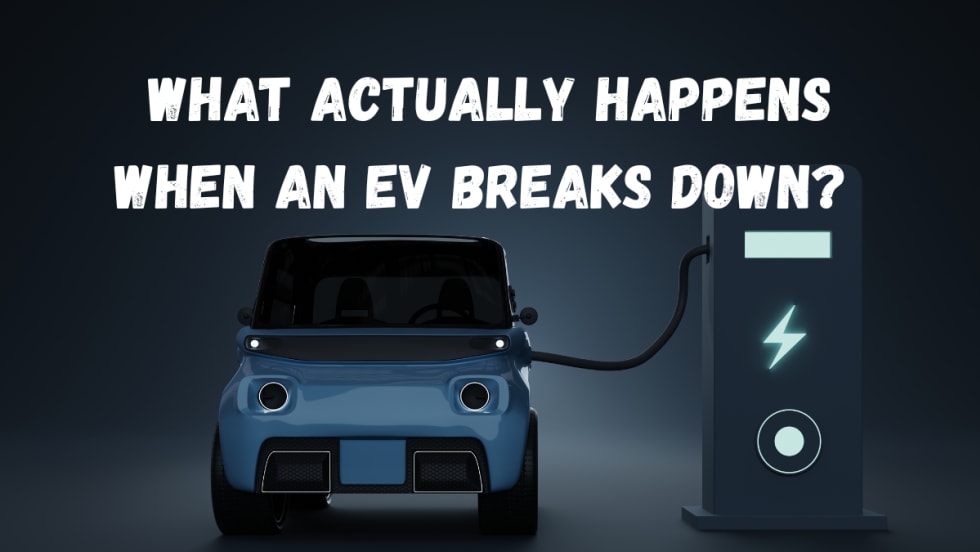
The EV Breakdown Nobody's Talking About: Why Most Electric Vehicle Roadside Calls Aren't Mechanical Failures
Here's why EV breakdowns are widely misunderstood.
Read More →
ChargePoint Now Available in Energy Pass
ChargePoint and additional planned charging network integrations were added to GM's Energy Pass.
Read More →

First Look: Slate Auto's Electric Fleet Pickup
Could an affordable, modular EV pickup make electrification more practical for fleets?
Read More →
Slate Debuts Colorful, Unique EV Models
A recent media and client event, studded with electric vehicles dressed up on platforms, planted a new position for the manufacturer in the wider EV market. Fleets will find cost-saving advantages.
Read More →
Slate Electric SUV, Pickup Switchable Model Aims For Light-Duty Fleets
Everything about this EV is counterintuitive and understated, making it stand out from the crowd.
Read More →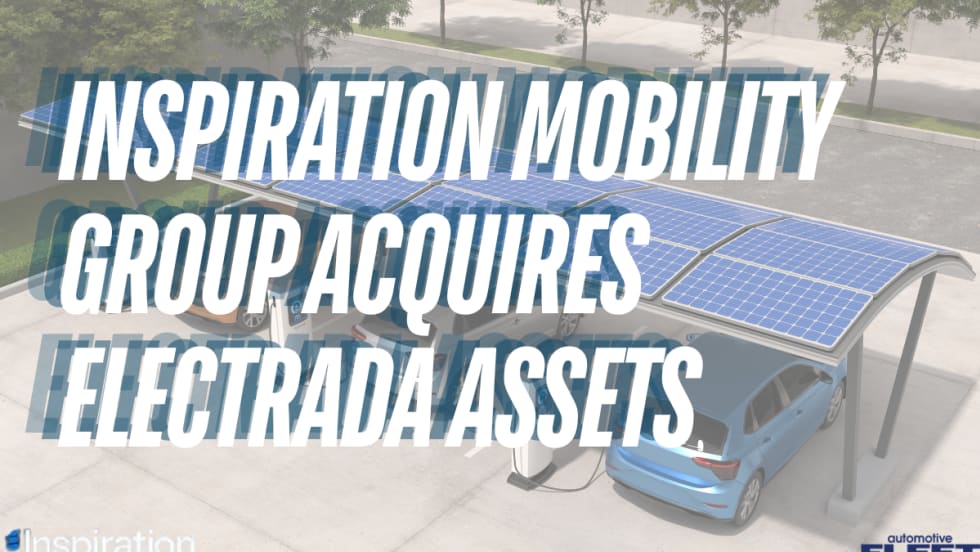
Inspiration Mobility Acquires Key Electrada Assets
Inspiration Mobility Group has acquired select assets of Electrada, adding the fleet electrification provider's team, technology, and charging infrastructure development capabilities to its energy management business.
Read More →
Turning Connected Vehicle Data Into Decisions That Matter
Fleet leaders have more data than ever, but turning that data into clear, actionable decisions remains a challenge. This white paper shows how leading organizations are using connected vehicle data to improve safety, reduce costs, and optimize fleet performance. Learn how to turn insight into action across your fleet.
Read More →
Are You Tracking Your Fleet's True Total Cost of Ownership?
Bobit Business Media surveyed 190 fleet professionals and found that while most fleets are tracking costs, fragmented systems and data gaps are keeping true TCO visibility out of reach. With rising pressure to control spend in an increasingly volatile environment, the gap between what fleets think they know and what the data actually shows is wider than you might expect. See how your peers are managing costs today and where the industry still has room to improve.
Read More →