




Autonomous Vehicles Finally Get Federal Safety Standards
The new NHTSA rule clarifies how passenger safety should be defined in autonomous vehicles without traditional manual controls.

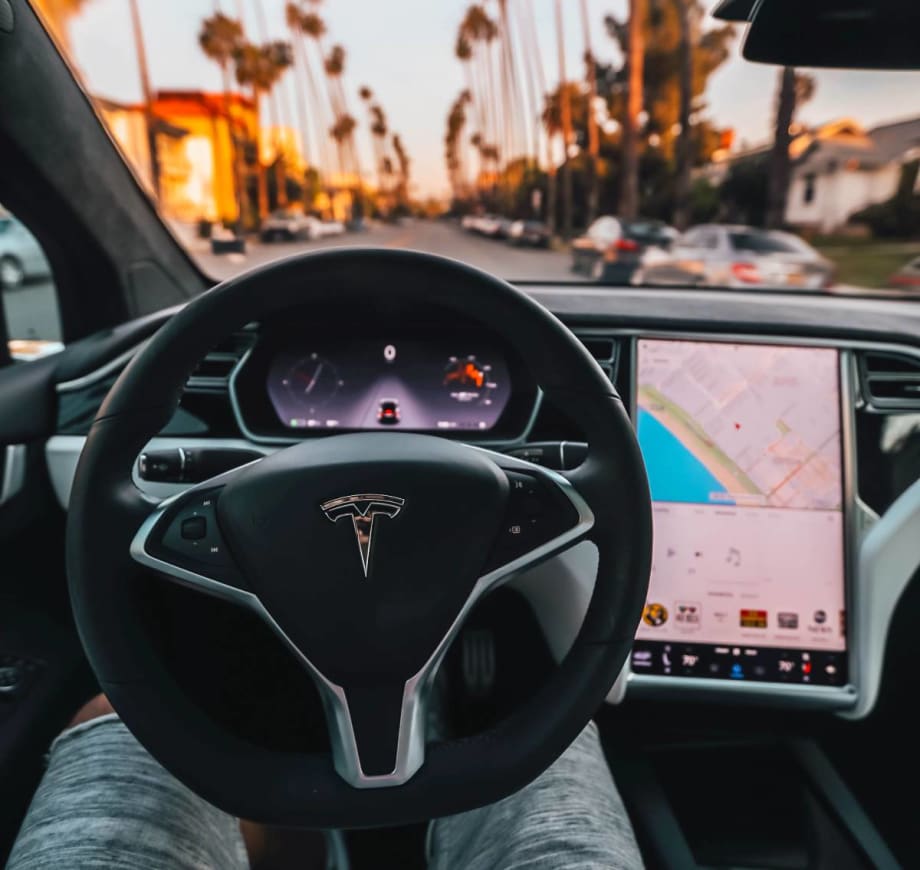
Terms such as "steering wheel" and “driver’s seat,” won’t make sense to use as spatial references for autonomous vehicles that aren't built with them.
Photo by Roberto Nickson on Unsplash
The U.S. Department of Transportation’s National Highway Traffic Safety Administration (NHTSA) has issued a first-of-its-kind rule to ensure safety of occupants in automated vehicles.
This rule updates the occupant protection Federal Motor Vehicle Safety Standards to account for autonomous vehicles - those that do not have the traditional manual controls associated with a human driver because they are equipped with automated driving systems.
“Through the 2020s, an important part of USDOT’s safety mission will be to ensure safety standards keep pace with the development of automated driving and driver assistance systems,” said U.S. Transportation Secretary Pete Buttigieg. “This new rule is an important step, establishing robust safety standards for ADS-equipped vehicles.”
Before this rule, occupant protection standards were written for traditional vehicle features, including steering wheels and other manual controls. The new rule updates the standards to clarify what is required of manufacturers when applying the standards to ADS-equipped vehicles without traditional manual controls.
Despite their innovative designs, vehicles with ADS technology must continue to provide the same high levels of occupant protection as current passenger vehicles, according to NHTSA.
NHTSA is involved in monitoring and overseeing the safe testing and deployment of these vehicles. The organization’s approach to advanced vehicle technologies prioritizes safety across multiple areas, including data collection and analysis, research, human factors, rulemaking, and enforcement.
“As the driver changes from a person to a machine in ADS-equipped vehicles, the need to keep the humans safe remains the same and must be integrated from the beginning,” said Dr. Steven Cliff, NHTSA’s deputy administrator. “With this rule, we ensure that manufacturers put safety first.”
Last summer, NHTSA issued a Standing General Order requiring crash and incident reporting for vehicles equipped with ADS or certain advanced driver-assistance systems.
More Fleet Forward
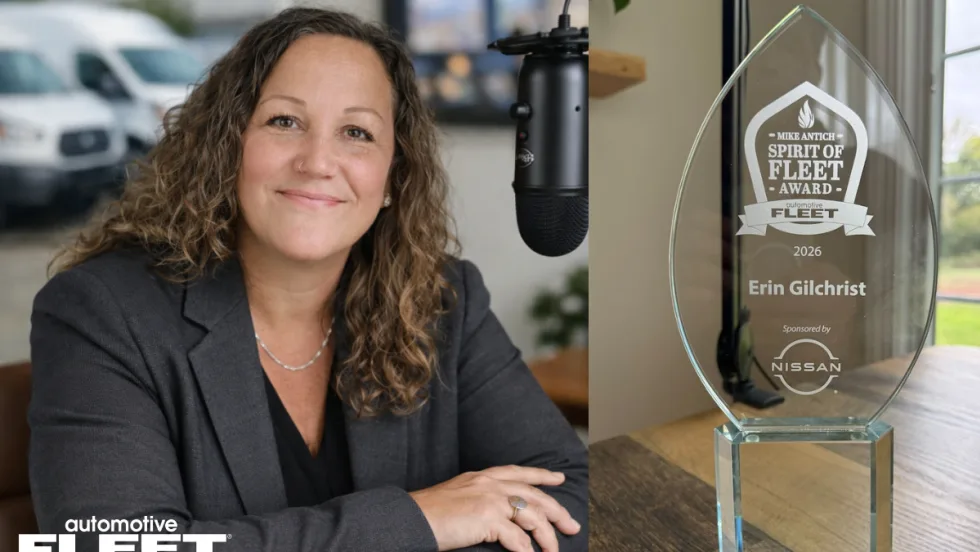
Erin Gilchrist Receives Mike Antich Spirit of Fleet Award
Last week at AFLA in Vegas, Erin Gilchrist received the inaugural, brand-new Spirit of Fleet Award.
Read More →
Dominika Leja Named the 2026 Fleet Manager of the Year
The AstraZeneca associate director of fleet was recognized for her leadership in fleet electrification, cost savings, and operational transformation.
Read More →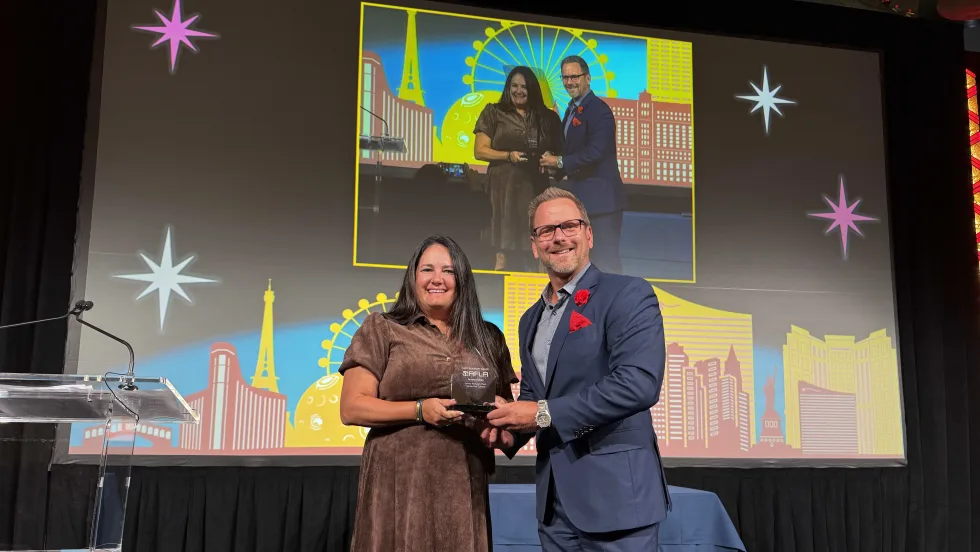
Jamie McKay Named the 2026 Fleet Visionary Award Winner
The Aptive Pest Control fleet manager was recognized for her approach to operations, data, lifecycle management, and driver needs.
Read More →
Fleet Forward Conference Introduces One-Day Passes for 2026
New one-day registration gives fleet professionals the flexibility to attend Tuesday, Wednesday, or Thursday, with passes available for $199 through Sept. 18.
Read More →
Vibe Coding: When Fleet Managers Become Software Builders
Five fleet professionals — none with programming skills — discuss how they’re using AI to build fleet solutions in-house and in a fraction of the time.
Read More →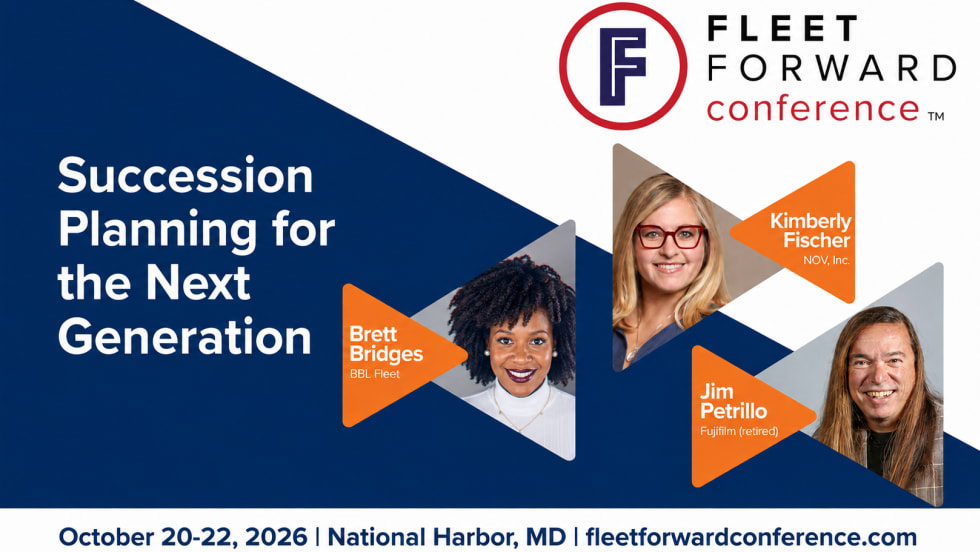
Fleet Forward Conference Tackles Fleet Industry’s Growing Leadership Gap
This session will examine succession planning, knowledge transfer, and the skills the next generation of fleet leaders will need as veteran professionals leave the industry.
Read More →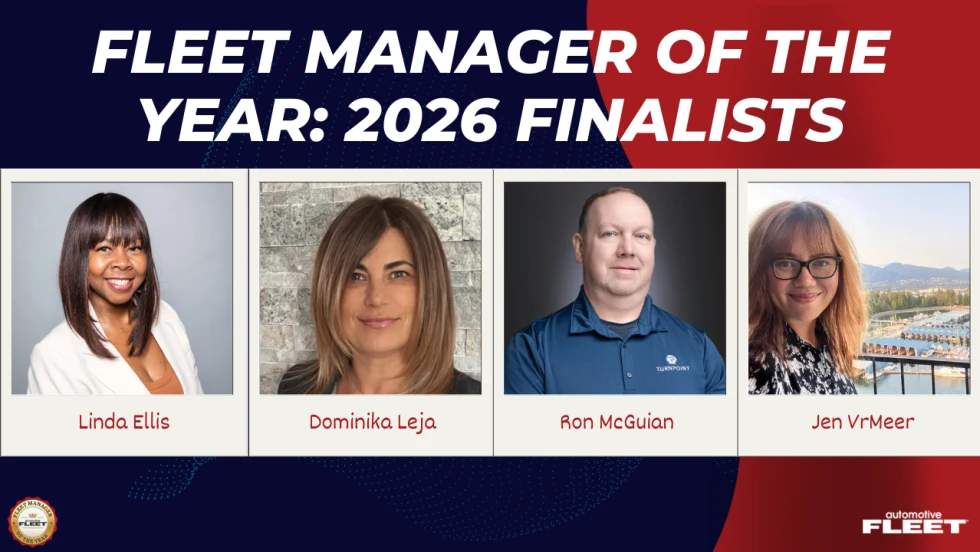
2026 Fleet Manager of the Year Finalists Announced
Who are the 2026 Fleet Manager of the Year finalists?
Read More →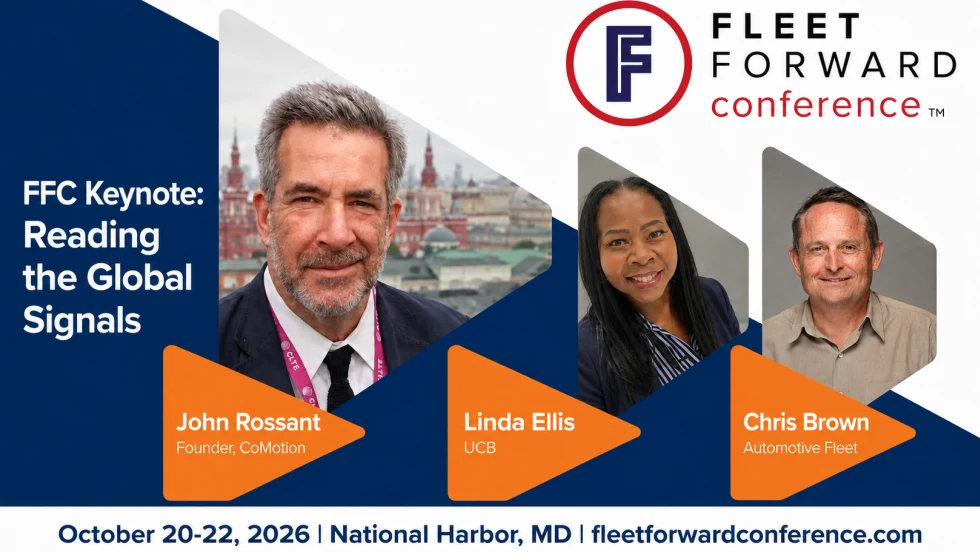
John Rossant to Deliver Opening Keynote at 2026 Fleet Forward Conference
The CoMotion founder will draw on developments across Europe, China, the Middle East, and other international markets to identify trends that could influence how U.S. fleets plan for the coming decade.
Read More →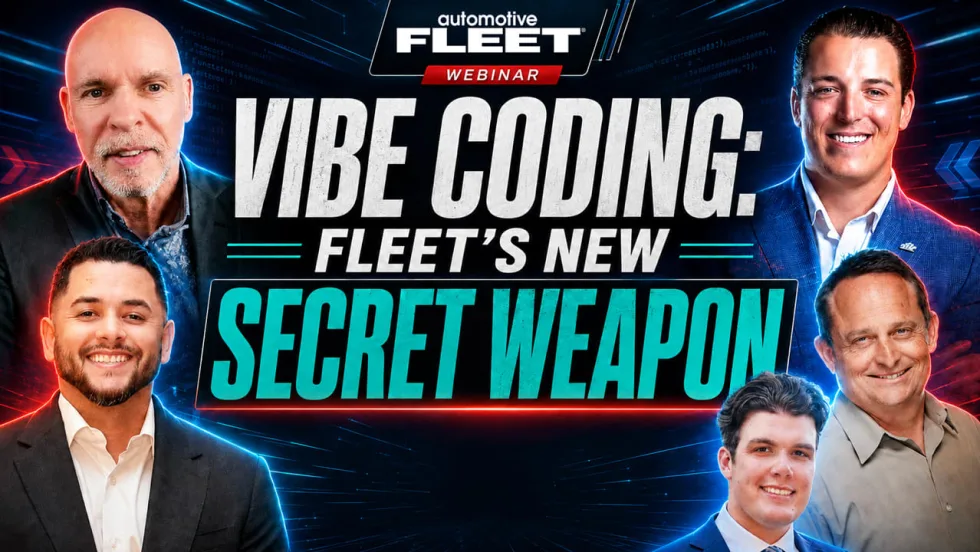
How to Build Custom Fleet Tools With AI and Vibe Coding [Webinar]
A new Automotive Fleet webinar explores how fleet managers are using AI and vibe coding to automate routine work and create simple operational tools without traditional programming skills.
Read More →