




Related: How Will Autonomous Vehicles Disrupt Fleet Management?
Autonomous Taxis Could Replace Driver Cars by 2030
A new study from Lawrence Berkeley National Laboratory (Berkeley Lab) found that there are both environmental and economic gains from the deployment of driverless vehicles as taxis.
by Staff
July 8, 2015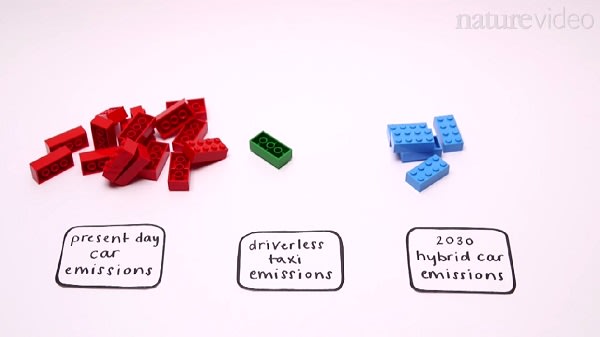
Screen capture of Nature.com's video about the reduction of greenhouse gas emissions by driverless taxis.
2 min to read
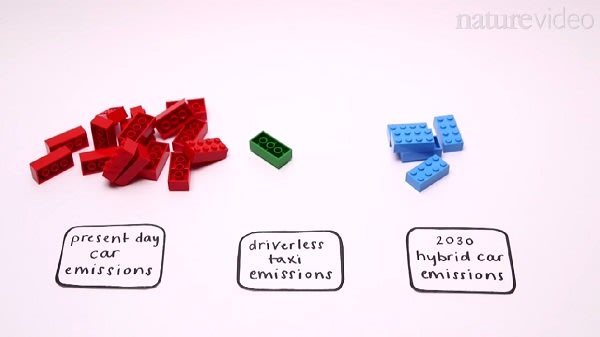
Screen capture of Nature.com's video about the reduction of greenhouse gas emissions by driverless taxis.
Autonomous vehicles used as zero-emission taxis would create less pollution than human-driven taxis and would be more profitable, according to a new study from Lawrence Berkeley National Laboratory.
The per-mile greenhouse gas emissions of an electric vehicle deployed as a self-driving taxi in 2030 would be 63 to 82 percent lower than a projected 2030 consumer-driven hybrid vehicle and 90 percent lower than a 2014 gasoline-powered vehicle, according to the study.
An economic analysis found that in 2030, the total cost of ownership of an electric vehicle was still expected to be higher than owning and operating a gasoline-powered car. If the vehicle is driven 40,000 to 70,000 miles per year, which is typical for U.S. taxis, an alternative-fuel vehicle, either hydrogen fuel cell or electrical battery, would be the most cost-effective option. By 2030, autonomous taxis could be far cheaper than their driven counterparts.
The study's findings were based on costs for maintenance, fuel, insurance, and the purchase price of the vehicle. Although there is a higher initial cost for a more efficient car, the per-mile cost of fuel is lower, so the savings would pay for the extra investment.
"When we first started looking at autonomous vehicles, we found that, of all the variables we could consider, the use of autonomous vehicles as part of a shared transit system seemed to be the biggest lever that pointed to lower energy use per mile," said Jeff Greenblatt, who produced the study with Samveg Saxena.
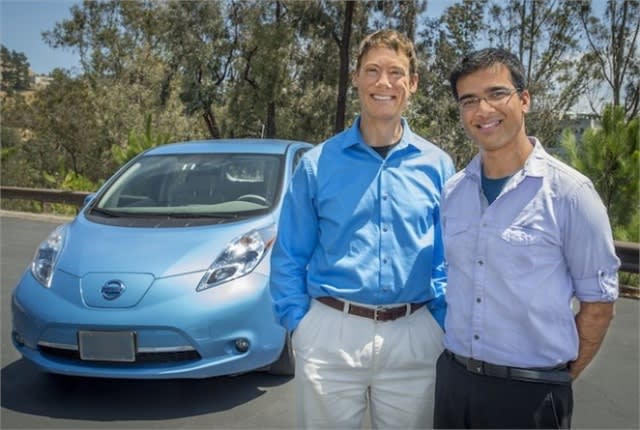
Photo of researchers Greenblatt (left) and Saxena courtesy of Berkeley Lab.
If five percent of 2030 vehicle sales (about 800,000 vehicles) were shifted to autonomous taxis that would save about seven million barrels of oil per year and reduce annual greenhouse gas emissions by approximately 2.1 to 2.4 million metric tons of CO2 per year, acccording to Greenblatt and Saxena's estimates. This would be equal to emissions savings from more than 1,000 two-megawatt wind turbines.
For more information on the study, visit www.lbl.gov.
More Green Fleet
Sponsored•October 1, 2026
New Propane Autogas Program Offers Fleet Compensation
Qualified commercial fleets can receive $7,500 per eligible propane autogas vehicle and up to $10,000 for new refueling site prep. Learn how the program works and see whether your fleet qualifies.
Read More →
EV Charging Use Is Outpacing Infrastructure Growth
ChargePoint’s 2026 Charging Forward Report points to rising charger use, higher-powered charging, commercial vehicle electrification, and energy-management technology. Here’s what fleets should know.
Read More →
Merchants Fleet Reports 290M EV Miles as Fleets Navigate Changing Electrification Market
From millions in operating savings to hundreds of millions of EV miles, Merchants Fleet’s latest report reveals what’s working and what’s changing in fleet electrification.
Read More →
The EV Breakdown Nobody's Talking About: Why Most Electric Vehicle Roadside Calls Aren't Mechanical Failures
Here's why EV breakdowns are widely misunderstood.
Read More →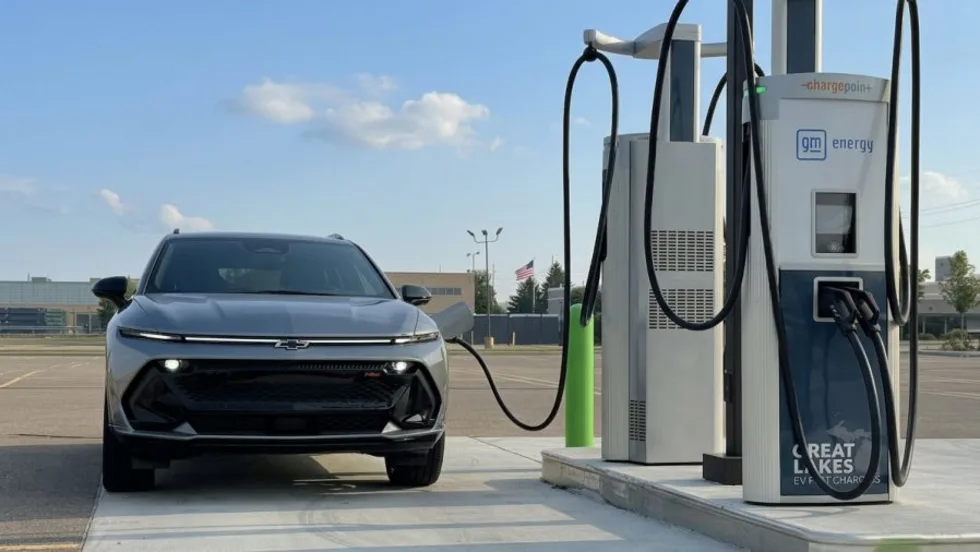
ChargePoint Now Available in Energy Pass
ChargePoint and additional planned charging network integrations were added to GM's Energy Pass.
Read More →

First Look: Slate Auto's Electric Fleet Pickup
Could an affordable, modular EV pickup make electrification more practical for fleets?
Read More →
Slate Debuts Colorful, Unique EV Models
A recent media and client event, studded with electric vehicles dressed up on platforms, planted a new position for the manufacturer in the wider EV market. Fleets will find cost-saving advantages.
Read More →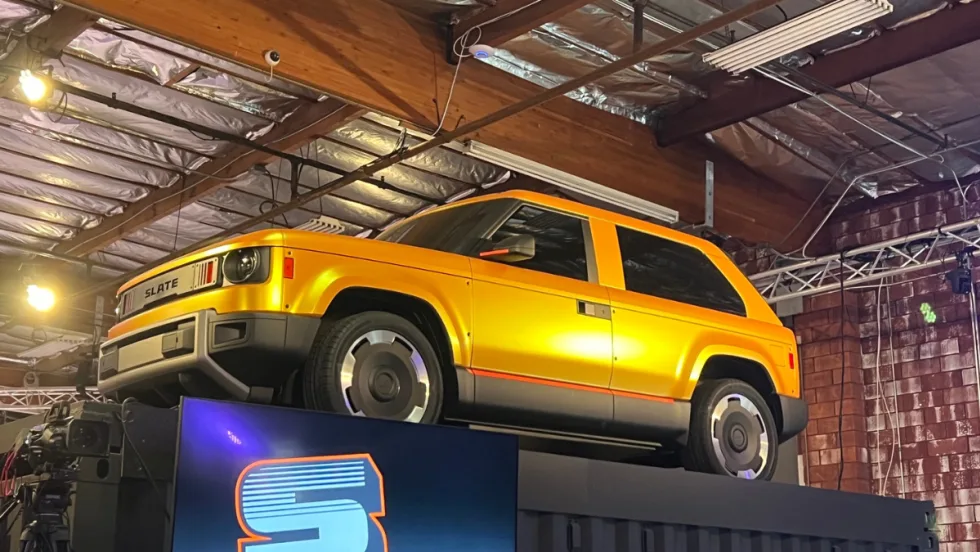
Slate Electric SUV, Pickup Switchable Model Aims For Light-Duty Fleets
Everything about this EV is counterintuitive and understated, making it stand out from the crowd.
Read More →
Inspiration Mobility Acquires Key Electrada Assets
Inspiration Mobility Group has acquired select assets of Electrada, adding the fleet electrification provider's team, technology, and charging infrastructure development capabilities to its energy management business.
Read More →