




Audi Launches Its First EV Pilot Program
HERNDON, VA – Audi announced it will conduct a battery-electric A3 e-tron pilot program in the U.S. to identify challenges and opportunities with plug-in vehicles. The program marks the automaker's first step into the expanding U.S. electric vehicle landscape.
HERNDON, VA – Audi announced it will conduct a battery-electric A3 e-tron pilot program in the U.S. to identify challenges and opportunities with plug-in vehicles. Taking place in the San Francisco, Los Angeles, Washington D.C., and Denver markets, the program marks the first step by Audi into the expanding U.S. electric vehicle landscape.
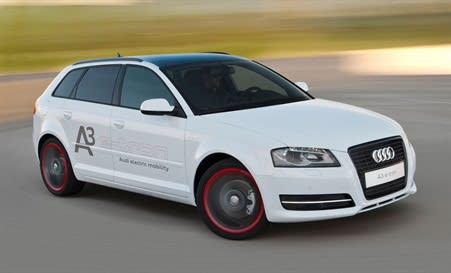
The A3 e-tron features a fully electric powertrain with a 26kw lithium-ion battery, zero driving emissions, 199 lb.-ft. torque, a battery range of approximately 90 miles, and a top speed of 90 mph.
The pilot will run throughout the year and provide actionable feedback and telematics data to Audi engineering teams in the U.S. and Germany. By studying e-tron use across multiple geographical regions, the automaker will monitor the effect of climate conditions, driving patterns, and energy performance and use insight gained in the final development of future EV technology applications.
“As part of the long-range Audi corporate goal of moving toward CO2-neutral mobility, there will be e-tron plug-in vehicle products exhibiting all of the performance and design attributes Audi drivers have come to expect,” said Johan de Nysschen, president, Audi of America. “Audi is committed to refining Audi e-tron technology and we expect our plug-in vehicles to become a significant choice for our buyers within a growing line of advanced, efficient Audi powertrains over the coming years.”
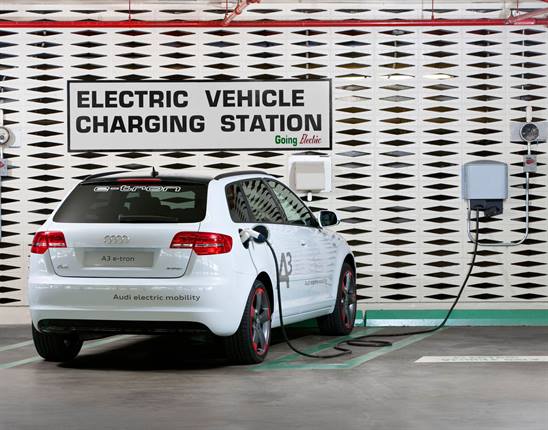
Audi announced its A3 e-tron pilot program in the U.S. on Feb. 27. (Photo: PRNewsFoto/Audi of America, Inc.)
The Audi A3 is currently available in the U.S. in gasoline-powered and clean diesel TDI configurations. The A3 e-tron features a fully electric powertrain with a 26kw lithium-ion battery, zero driving emissions, 199 lb.-ft. torque, a battery range of approximately 90 miles, and a top speed of 90 mph.
The e-tron name indicates that an advanced electrified power train with a plug-in capability is onboard. As a core philosophy of e-tron, Audi engineers are researching e-tron power concepts tailored to different vehicle types and driving needs including full battery-electric (BEV), plug-in hybrid (PHEV) and extended range electric (EREV) versions.
Audi made the announcement of the engineering-based pilot program for the A3 e-tron Feb. 27 at TED2012 in Long Beach, Calif., where Audi is presenting a vision for the role transportation will play in the world's increasingly congested urban centers of the future. The TED2012 Conference invites the global thinkers and doers to speak for 18 minutes.
More Green Fleet

Merchants Fleet Reports 290M EV Miles as Fleets Navigate Changing Electrification Market
From millions in operating savings to hundreds of millions of EV miles, Merchants Fleet’s latest report reveals what’s working and what’s changing in fleet electrification.
Read More →
The EV Breakdown Nobody's Talking About: Why Most Electric Vehicle Roadside Calls Aren't Mechanical Failures
Here's why EV breakdowns are widely misunderstood.
Read More →
ChargePoint Now Available in Energy Pass
ChargePoint and additional planned charging network integrations were added to GM's Energy Pass.
Read More →

First Look: Slate Auto's Electric Fleet Pickup
Could an affordable, modular EV pickup make electrification more practical for fleets?
Read More →
Slate Debuts Colorful, Unique EV Models
A recent media and client event, studded with electric vehicles dressed up on platforms, planted a new position for the manufacturer in the wider EV market. Fleets will find cost-saving advantages.
Read More →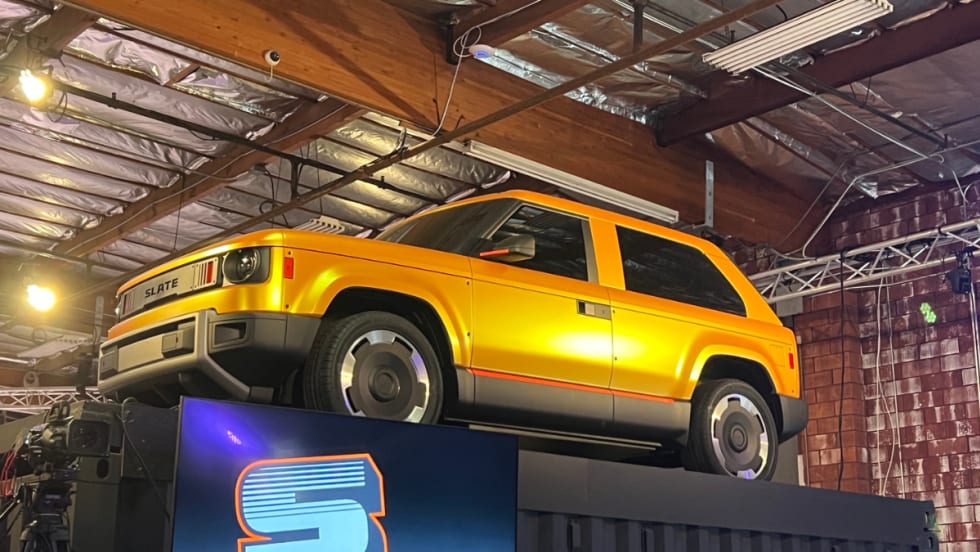
Slate Electric SUV, Pickup Switchable Model Aims For Light-Duty Fleets
Everything about this EV is counterintuitive and understated, making it stand out from the crowd.
Read More →
Inspiration Mobility Acquires Key Electrada Assets
Inspiration Mobility Group has acquired select assets of Electrada, adding the fleet electrification provider's team, technology, and charging infrastructure development capabilities to its energy management business.
Read More →
Turning Connected Vehicle Data Into Decisions That Matter
Fleet leaders have more data than ever, but turning that data into clear, actionable decisions remains a challenge. This white paper shows how leading organizations are using connected vehicle data to improve safety, reduce costs, and optimize fleet performance. Learn how to turn insight into action across your fleet.
Read More →
Are You Tracking Your Fleet's True Total Cost of Ownership?
Bobit Business Media surveyed 190 fleet professionals and found that while most fleets are tracking costs, fragmented systems and data gaps are keeping true TCO visibility out of reach. With rising pressure to control spend in an increasingly volatile environment, the gap between what fleets think they know and what the data actually shows is wider than you might expect. See how your peers are managing costs today and where the industry still has room to improve.
Read More →