




Atlanta Gas Light Plans CNG Vehicle Fueling Stations
ATLANTA -- Atlanta Gas Light (AGL) has filed a plan with the Georgia Public Service Commission (PSC) to build a network of compressed natural gas (CNG) fueling stations over the next five years in the metropolitan Atlanta region and along major transportation corridors in the state.
ATLANTA -- Atlanta Gas Light (AGL) has filed a plan with the Georgia Public Service Commission (PSC) to build a network of compressed natural gas (CNG) fueling stations over the next five years in the metropolitan Atlanta region and along major transportation corridors in the state.
The plan also includes low-cost equipment leasing options for home fueling stations. CNG retail prices are over a third less than that of petroleum -- $2.19 per gallon of gas equivalent -- as currently posted at Georgia retailers.
"Demand for CNG is growing in the United States, and Atlanta Gas Light is committed to attracting interest in this important new investment opportunity to Georgia," said Ian Skelton, director of Atlanta Gas Light's natural gas vehicle program. "Natural gas is abundant and clean, and the U.S. is estimated to have a 100-year supply that is readily deliverable to Georgia. Fleet owners and vehicle manufacturers are beginning to recognize the significant price advantage CNG holds over petroleum at the pump and, as a result, demand for CNG should increase."
Under the plan to be considered by the PSC later this summer, AGL proposes to invest nearly $12 million dollars to stimulate private investment in the construction of approximately 10 to 15 fueling stations, depending on the size of the station and the level of private investment. The stations would be owned and operated by private retailers who must invest approximately 50 percent of the cost of the CNG station. Retailers would purchase natural gas from certificated marketers and resell it as CNG. The initial station locations will be largely determined based on proximity to commercial fleet customers that contract for service.
[PAGEBREAK]
The capital used to seed the market would be expended from the Universal Service Fund, which comes from rates paid by industrial customers and proceeds shared by energy asset management firms. AGL annually requests funds from the USF for line extensions to serve new customers and new regions of the state. The recessed economy has stalled line extensions that normally would come with growth, leaving a temporary surplus in the fund that can be used to foste CNG growth. Atlanta Gas Light will not sell CNG to the public nor participate in the commercial operation of the stations as part of this program. AGL will own and maintain the CNG equipment connected to its traditional natural gas distribution system, enabling USF dollars to be used to construct the CNG facilities. Atlanta Gas Light will collect transportation delivery charges and actual costs associated with operations and maintenance from retailers. Revenue collected from a separate equipment utilization fee will be placed in a reserve account to fund a portion of the cost of leasing home refueling stations, building additional CNG facilities, and making repairs and replacing the CNG equipment.
In order to qualify for funding, applicants must demonstrate financial resources sufficient to secure the real estate for the station, develop the site consistent with local zoning, fund at least 50 percent of the total CNG station costs, and produce contracts with fleet or end use customers that utilize no less than 15,000 gas equivalent gallons per year for five years. The 50 percent match requirement is reduced to 20 percent after the first year if there are sufficient funds remaining.
The plan is the product of months of market studies and public hearings followed by legislative action. After filing a conceptual plan last September at the urging of PSC Commissioner Doug Everett, two public hearings were held in November 2010 and January 2011 to refine the plan. In March, the Georgia General Assembly authorized the use of USF funds for natural gas fueling infrastructure for motor vehicles.
Construction and maintenance of CNG facilities is not new to Atlanta Gas Light. The company installed its first CNG pumps at a public station in downtown Atlanta in the early 1990s. In 1996, AGL began its service to MARTA (Metropolitan Atlanta Rapid Transit Authority) when the transportation agency converted its bus fleet to CNG in advance of Atlanta hosting the Summer Olympics. Currently, the company owns equipment located at 10 CNG stations operated by private fleets and located on customer-owned premises, including municipal transit agencies, and has installed numerous others. The company also provides maintenance services to about 40 additional fleet customers who own their own CNG stations.
More Green Fleet
EV Charging Use Is Outpacing Infrastructure Growth
ChargePoint’s 2026 Charging Forward Report points to rising charger use, higher-powered charging, commercial vehicle electrification, and energy-management technology. Here’s what fleets should know.
Read More →
Merchants Fleet Reports 290M EV Miles as Fleets Navigate Changing Electrification Market
From millions in operating savings to hundreds of millions of EV miles, Merchants Fleet’s latest report reveals what’s working and what’s changing in fleet electrification.
Read More →
The EV Breakdown Nobody's Talking About: Why Most Electric Vehicle Roadside Calls Aren't Mechanical Failures
Here's why EV breakdowns are widely misunderstood.
Read More →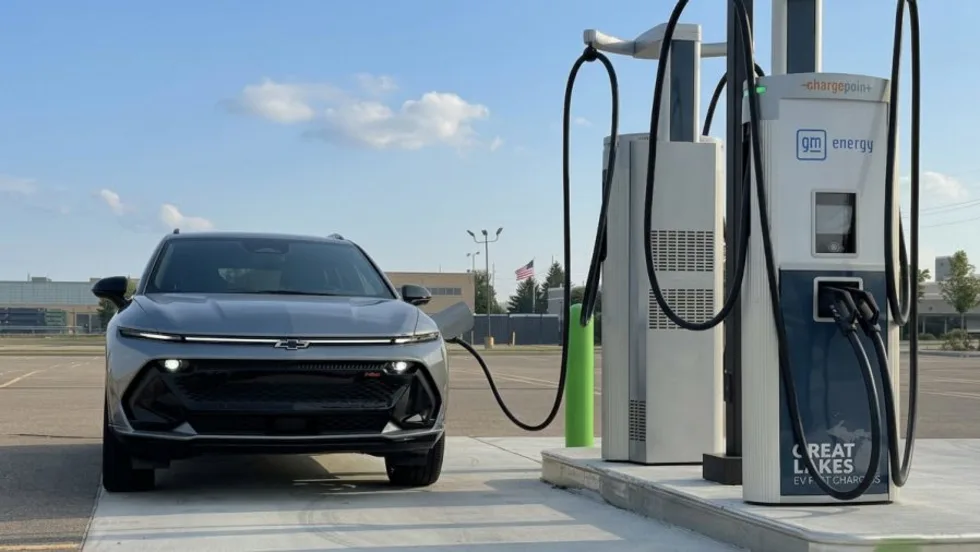
ChargePoint Now Available in Energy Pass
ChargePoint and additional planned charging network integrations were added to GM's Energy Pass.
Read More →

First Look: Slate Auto's Electric Fleet Pickup
Could an affordable, modular EV pickup make electrification more practical for fleets?
Read More →
Slate Debuts Colorful, Unique EV Models
A recent media and client event, studded with electric vehicles dressed up on platforms, planted a new position for the manufacturer in the wider EV market. Fleets will find cost-saving advantages.
Read More →
Slate Electric SUV, Pickup Switchable Model Aims For Light-Duty Fleets
Everything about this EV is counterintuitive and understated, making it stand out from the crowd.
Read More →
Inspiration Mobility Acquires Key Electrada Assets
Inspiration Mobility Group has acquired select assets of Electrada, adding the fleet electrification provider's team, technology, and charging infrastructure development capabilities to its energy management business.
Read More →
Why America’s Most Popular Vehicle is So Hard to Electrify
Turning America’s favorite workhorse electric means balancing range, payload, charging infrastructure, and price, an equation automakers are still trying to solve.
Read More →