




Amazon Flex Program is Like Uber for Last-Mile Delivery
Amazon has unveiled what some are calling Uber for last-mile delivery, after the fast-growing service that replaces traditional taxis with an app that links riders and drivers.

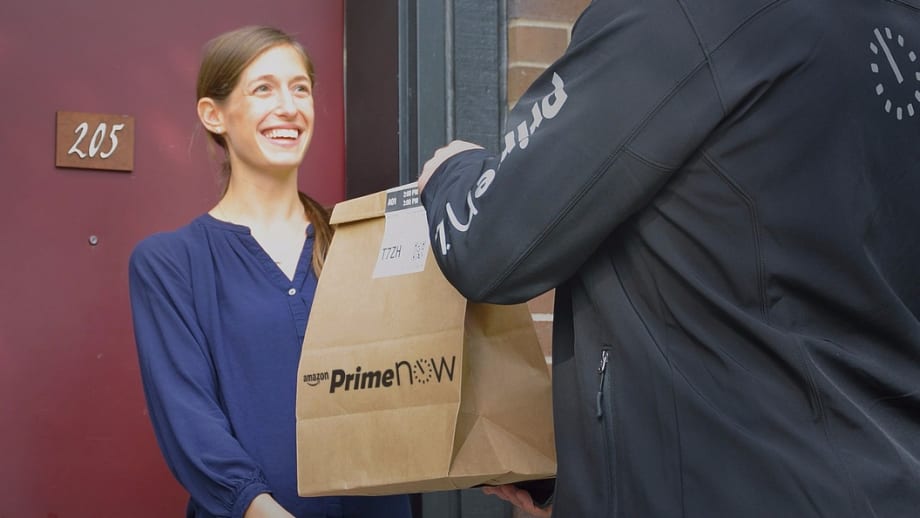
Amazon has unveiled what some are calling Uber for last-mile delivery, after the fast-growing service that replaces traditional taxis with an app that links riders and drivers.
Flex would allow ordinary people to make $18 to $25 an hour delivering packages for Amazon using their car and a smartphone, as an independent contractor.
Flex drivers (must be 21 years old) will deliver ultra-fast Amazon Prime Now packages. This program for paid Amazon Prime members promises deliveries as quickly as one hour for $8, or free for two hours or more. In the future, Flex drivers may deliver other types of Amazon packages as well, according to the website.
Initially launched in Seattle, the service will expand to Manhattan, Baltimore, Miami, Dallas, Austin, Chicago, Indianapolis, Atlanta and Portland.
Amazon says tens of thousands of items are available for delivery under Prime Now including, in Seattle, alcohol, reports The Wall Street Journal.
Amazon has had a significant impact on supply chains and the e-commerce industry in North America and Europe, with its focus on same-day delivery and its developing relationships with 3PL companies for last-mile delivery, according to a survey of third-party logistics provider CEOs, sponsored by Penske Logistics and released Monday.
On average, e-commerce now accounts for an average of 11.85% of North American 3PLs' revenue, and CEOs predict it will increase to 20.85% in three years.
The survey also noted that ride-sharing companies, most notably Uber, are believed to potentially pose a threat to aspects of the 3PL industry in the future by providing last-mile delivery services and taking business away from small-volume couriers.
One problem for this model, however, may be the independent contractor status of these drivers. There already are lawsuits against Uber, grocery delivery startup Instacart, Postmates and others over whether these workers were misclassified and should be entitled to back pay and benefits as employees rather than contractors.
More Operations
A buyer's guide to fleet management software in 2027
Buying fleet management software in 2027 means looking beyond features and price. As fleet operations, technology and expectations evolve, this guide explores what today’s fleet professionals should consider when choosing a system that can deliver value now and adapt to what comes next.
Read More →
What Will Shape the Next Era of Fleet Management?
EVs, AI, and autonomous vehicles are reshaping fleet management. Discover what’s ahead—and how fleet leaders can prepare for the next era.
Read More →
How Fleets Can Recruit and Train Veterans for Technician Roles
Here's how the technician shortage has affected uptime for fleets, and what to do about it.
Read More →

Avis Budget Group Deploys Neology Toll Management Technology Across Major Brands
Neology’s neoFleet platform will manage toll transactions and toll-authority operations for vehicles across Avis, Budget, Payless, Budget Truck and Zipcar.
Read More →
Fleet Personal-Use Charges Edge Higher in 2026
Nearly eight in 10 surveyed fleets allow personal use of company vehicles, while just over half of respondents report charging employees for the privilege.
Read More →
The Future of Fleet + What’s Changing Right Now | AF News Recap
Could developments overseas offer a preview of what’s coming for U.S. fleets? This week, we’re looking at the future of AI, autonomy, and electrification, plus Ford Pro’s new certified pre-owned program, smarter vehicle offboarding, and a new way for fleets to manage toll expenses.
Read More →
How to Handle Vehicle Offboarding
What do fleet managers need to do when a driver leaves?
Read More →
Fleet Manager’s Ultimate Playbook: Navigating the New Standard in OEM Connectivity
Rising operating costs, driver safety concerns, and unplanned downtime are putting unprecedented pressure on modern fleets. Discover how fleet managers use embedded OEM connectivity and real-time vehicle data to cut TCO, prevent downtime, and protect drivers without aftermarket telematics hardware.
Read More →
U.S. Bank Adds Verra Mobility Toll Management to Voyager Fleet Platform
The integration allows U.S. Bank Voyager fleet customers to manage toll payments and violations alongside fuel, EV charging and maintenance expenses.
Read More →
ADAS Prevents Crashes. But Repairs Cost More | AF News Recap
ADAS-equipped vehicles may crash less often, but they can cost more when they do. This week, we’re breaking down what that tradeoff means for fleets, plus Subaru’s first Forester Wilderness Hybrid, Nissan’s new e-POWER Rogue, and why Calstart has become Catalyst Mobility.
Read More →