Automotive Fleet
MenuMENU
SearchSEARCH

Alternative Fuels Help Low Carbon Fuel Standard Compliance

Global consulting firm ICF International compares alternative fuels with LCFS credits in its technical analysis, evaluating California's ability to achieve LCFS compliance.

by Staff
June 19, 2013
2 min to read


California's Low Carbon Fuel Standard (LCFS) can be achieved by taking  advantage of the rapidly evolving alternative fuels market, according to ICF International’s technical analyses report. However, over-compliance at least through 2016 is essential. Adopted in 2007, the LCFS requires a 10 percent reduction in the carbon intensity of transportation fuels in California by 2020. Specifically, the cap-and-trade program sets a statewide limit on sources responsible for 85 percent of the state's emissions, beginning this year for electric utilities and large industrial facilities and beginning in 2015 for distributors of transportation, natural gas, and other fuels.

The ICF report looks at the first of a two-phase, year-long project assessing the economic and environmental impacts of compliance with the LCFS. The first phase focuses on the development of compliance scenarios. The second phase focuses on the economic and environmental impacts of the compliance scenarios.

Among the report's conclusions:

Ad Loading...

The diesel sector will likely generate more than its fair share of credits. ICF developed scenarios that reflect the flexibility of the LCFS guidelines: namely, credits are fungible. It does not matter if credits are generated using fuels that substitute for gasoline or fuels that substitute for diesel.

Forecasted diesel consumption in California indicates that diesel will generate about 20 percent of deficits in the LCFS program; however, fuels that substitute for diesel, including biodiesel, renewable diesel, and natural gas, have the potential to generate 40 to 55 percent of LCFS credits.

Biodiesel can make a significant contribution towards LCFS compliance. Although biodiesel consumption in California has been modest in recent years, there is significant potential to blend biodiesel at lower levels (5 percent to 20 percent by volume) with conventional diesel and generate a substantial number of LCFS credits. Infrastructure providers are already responding to this potential, and based on ICF research and stakeholder consultation, the industry is rapidly increasing the ability to store and blend biodiesel at petroleum terminals and at refineries.

Renewable diesel will make a modest contribution towards LCFS compliance, even at low volumes. With no additional distribution infrastructure or refueling infrastructure costs, and no limitations on consumption in vehicles, renewable diesel is an attractive option for LCFS compliance. Furthermore, it is available in significant quantities today. Even at conservative forecasts of 150 million gallons renewable diesel delivered to California by 2020, renewable diesel could generate about 8 percent of the LCFS credits required to achieve compliance.

The report was conducted by a diverse coalition, including CalETC, Ceres, E2, the California Natural Gas Vehicle Coalition, the National Biodiesel Board and the Advanced BioFuels Association.

More Green Fleet

SponsoredMay 15, 2026

Hybrids: Electrification Without the Challenges

For fleet managers, fuel is one of the biggest line items in the budget — and it's one hybrids can shrink without changing how your people work. Download the eBook to see the numbers, understand the technology, and get a step-by-step guide to making the switch.

Read More →
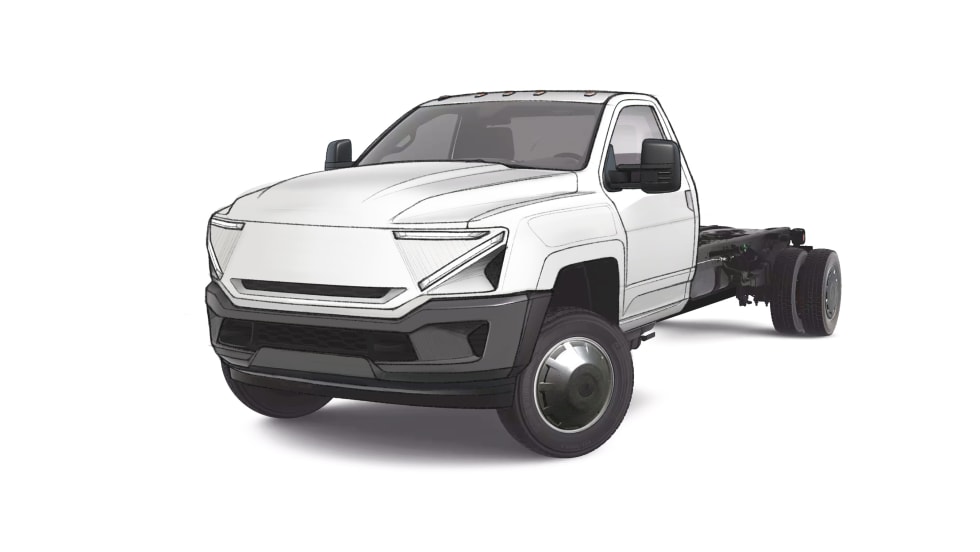
Sketch of chassis cab truck.
Green Fleetby Chris BrownMarch 9, 2026

Startup ZMD Motors Developing Electric Conversion for Ram 5500 Work Trucks

Detroit-based company says it has begun early development of a system to convert internal combustion Ram 5500 chassis-cab trucks to electric power.

Read More →
SponsoredFebruary 26, 2026

MOVING ON FROM DEBATE: A Guide for Fleet Managers Who Just Want To Get Electrification Done

Fleet managers are done with the debate—and focused on execution. Learn how to build a practical electrification strategy that aligns infrastructure, operations, and financing while keeping costs controlled and deployment scalable with support from Blink Charging. Discover how smart planning today positions fleets for long-term performance and ROI.

Read More →
Ad Loading...
EV charging symbol
Green Fleetby Chris BrownFebruary 12, 2026

U.S. EV Adoption Is Climbing, but Commercial and Passenger Markets Diverge

New industry group data revealed that light-duty electric vehicle sales are hitting record market share and volumes, while commercial EV volume dipped. What’s driving the fluctuations?

Read More →
A side view of the yellow, blue, and red Slate Auto electric pick-up truck and SUV
Upfittingby Martin RomjueDecember 8, 2025

How To Upfit Electric Work Trucks and Vans

The biggest challenge lies in balancing additional equipment and accessories with EV battery capacity and range.

Read More →
Green Fleetby Martin RomjueDecember 4, 2025

How Fleets Can Adjust Approaches To EV Adoption

With the expiration of federal incentives, EV success now hinges less on government policy and more on discounts, battery tech progress, increased range, and broader infrastructure.

Read More →
Ad Loading...
Panelists on stage at FFC.
Fleet Forwardby Martin RomjueOctober 29, 2025

Despite World Troubles, Forward Thinking Guides Fleets

Fleet operators shared their challenges during an annual conference that embraced the latest advances across all aspects of running private- and public-sector vehicles.

Read More →
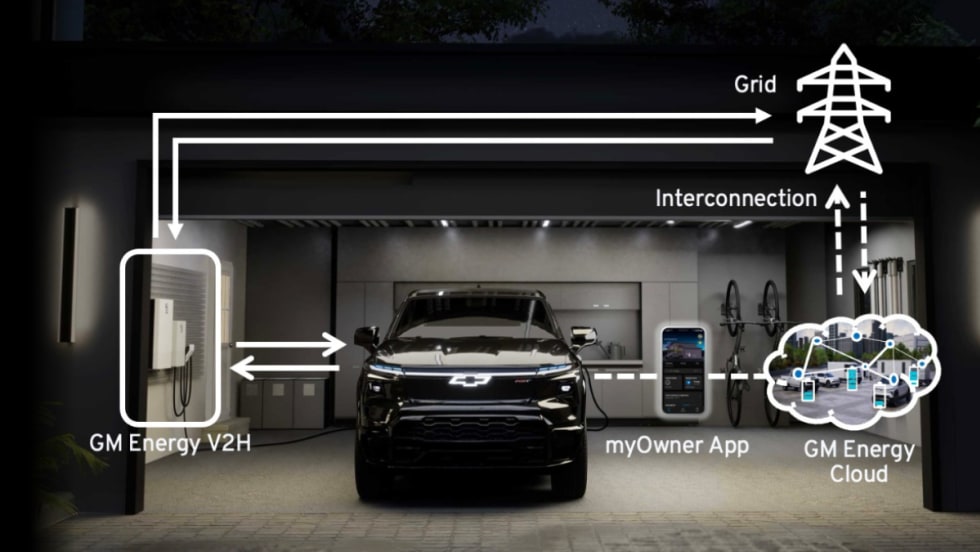
Illustration of GM Energy’s vehicle-to-home system showing an electric truck connected to home power storage, the grid, and GM Energy Cloud through the myOwner app.
Green Fleetby News/Media ReleaseOctober 28, 2025

GM Energy Details Partnerships and Targets for Public Charging Build-Out

EVgo, Pilot, ChargePoint and IONNA named; goal is 35k GM-invested DC stalls by 2030, with customer-experience upgrades at sites.

Read More →
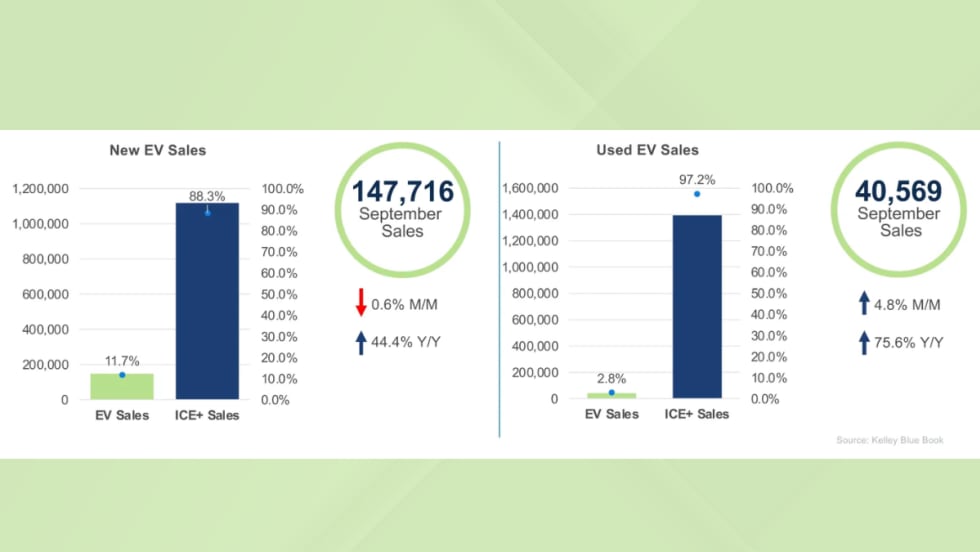
Chart showing September 2025 EV sales. New EV sales totaled 147,716 units, up 44% year over year, and used EV sales hit 40,569 units, up 76%, marking strong third-quarter performance.
Green Fleetby News/Media ReleaseOctober 23, 2025

Q3 Electric Vehicles Sales Hit Record High

EV buyers took advantage of the final federal tax credit days, while average prices edged up for new EVs and continued to decline for used models.

Read More →
Ad Loading...
SponsoredOctober 14, 2025

Automotive Fleet's Guide to Fleet Electrification

Unlock the secrets to a successful transition to electric fleets with Automotive Fleet's comprehensive Fleet Electrification Guide!

Read More →