




Allegheny County to Stick to 4-Cylinder Models
PITTSBURGH - Switching fleet vehicles to four-cylinder models is just one part of a recommended strategy to help decrease the county government's overall carbon emissions, energy consumption, and water usage by 20 percent by 2015.
PITTSBURGH - Switching fleet vehicles to four-cylinder models is just one part of a recommended strategy to help decrease the county government's overall carbon emissions, energy consumption, and water usage by 20 percent by 2015.
Allegheny County Executive Dan Onorato issued an executive order after announcing the results of the Allegheny County Greenhouse Gas Emissions Inventory Report and Climate Action Plan, a comprehensive baseline inventory of the annual greenhouse gas emissions resulting from County government operations.
The report gathered all cost and utilization data related to energy, water consumption, vehicle fleet, waste hauling, and a variety of additional carbon and greenhouse gas-generating items, such as fuel tanks, fire suppression systems, and mechanical equipment.
The study found Allegheny County government produced approximately 77,000 tons of carbon dioxide equivalent (eCO2) emissions in 2008, the baseline year for the inventory. To meet the County Executive's goals, that baseline will have to be reduced by 20 percent, or 15,000 tons, and reach a level of 62,000 tons or less by 2015. The largest source of emissions (86 percent) comes from operating the County's 139 buildings and facilities. The remaining sources of emissions are vehicles, water delivery systems, wastewater treatment, solid waste management, streetlights, and other small fugitive sources.
Among the recommendations in the report is to limit vehicle purchases to four-cylinder vehicles (or vehicles with similar or better fuel efficiency) as the county's fleet is retired. By replacing 33 vehicles with four-cylinder models, Allegheny County expects to save more than 2,800 gallons of gasoline and 28 tons of CO2 annually, the County stated on its Web site.
At gasoline costs of $3 per gallon, the move is expected to save the county $8,500 per year. The report also suggests replacing a portion of the county fleet with Zipcars and investing in hybrid vehicles.
The full report is available at www.alleghenycounty.us/alleghenygreen.
More Green Fleet
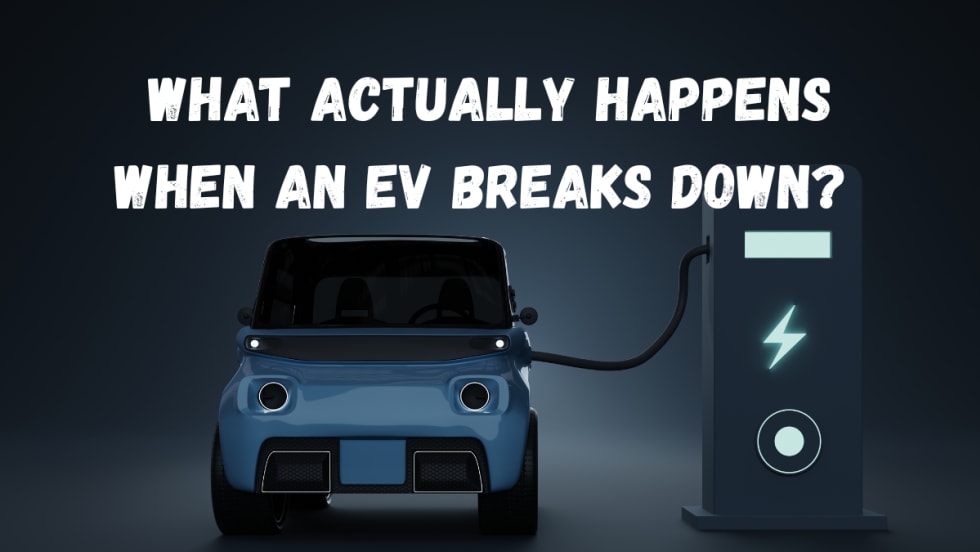
The EV Breakdown Nobody's Talking About: Why Most Electric Vehicle Roadside Calls Aren't Mechanical Failures
Here's why EV breakdowns are widely misunderstood.
Read More →
ChargePoint Now Available in Energy Pass
ChargePoint and additional planned charging network integrations were added to GM's Energy Pass.
Read More →

First Look: Slate Auto's Electric Fleet Pickup
Could an affordable, modular EV pickup make electrification more practical for fleets?
Read More →
Slate Debuts Colorful, Unique EV Models
A recent media and client event, studded with electric vehicles dressed up on platforms, planted a new position for the manufacturer in the wider EV market. Fleets will find cost-saving advantages.
Read More →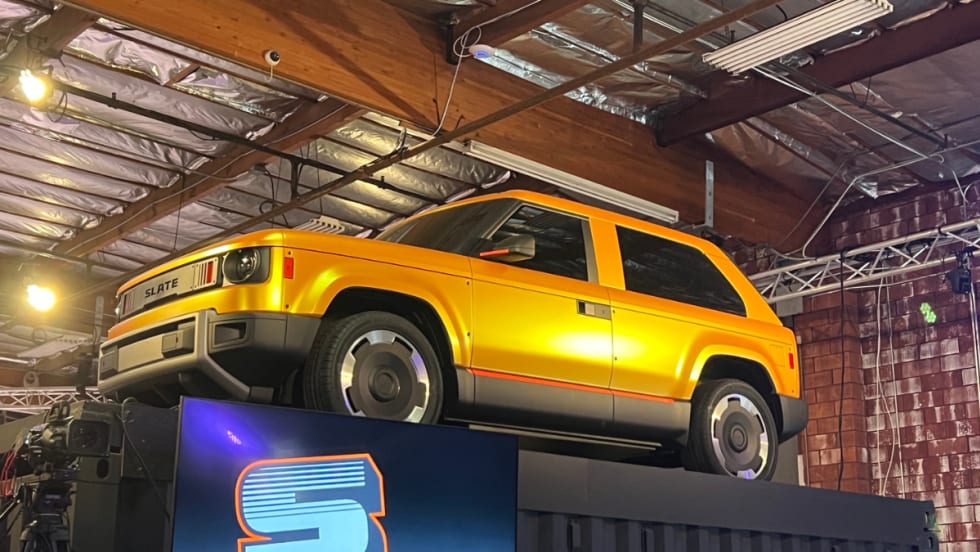
Slate Electric SUV, Pickup Switchable Model Aims For Light-Duty Fleets
Everything about this EV is counterintuitive and understated, making it stand out from the crowd.
Read More →
Inspiration Mobility Acquires Key Electrada Assets
Inspiration Mobility Group has acquired select assets of Electrada, adding the fleet electrification provider's team, technology, and charging infrastructure development capabilities to its energy management business.
Read More →
Turning Connected Vehicle Data Into Decisions That Matter
Fleet leaders have more data than ever, but turning that data into clear, actionable decisions remains a challenge. This white paper shows how leading organizations are using connected vehicle data to improve safety, reduce costs, and optimize fleet performance. Learn how to turn insight into action across your fleet.
Read More →
Are You Tracking Your Fleet's True Total Cost of Ownership?
Bobit Business Media surveyed 190 fleet professionals and found that while most fleets are tracking costs, fragmented systems and data gaps are keeping true TCO visibility out of reach. With rising pressure to control spend in an increasingly volatile environment, the gap between what fleets think they know and what the data actually shows is wider than you might expect. See how your peers are managing costs today and where the industry still has room to improve.
Read More →
Hybrids: Electrification Without the Challenges
For fleet managers, fuel is one of the biggest line items in the budget — and it's one hybrids can shrink without changing how your people work. Download the eBook to see the numbers, understand the technology, and get a step-by-step guide to making the switch.
Read More →