




All-New Toyota RAV4 EV Unveiled
LOS ANGELES -- The all-new Toyota RAV4 EV has an expected driving range rating of approximately 100 miles and charging time of approximately six hours on a 240V/40A charger.
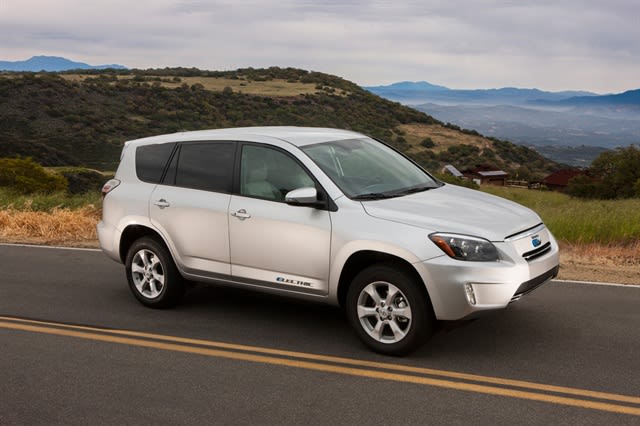
The RAV4 EV will go on sale in late summer 2012 through select dealers, initially in four major California metropolitan markets including Sacramento, San Francisco Bay Area, Los Angeles/Orange County, and San Diego.
LOS ANGELES -- Toyota Motor Sales, U.S.A. revealed the all-new Toyota RAV4 EV at the 26th annual Electric Vehicle Symposium in Los Angeles. The all-electric SUV has an expected driving range rating of approximately 100 miles and charging time of approximately six hours on a 240V/40A charger.
Driving performance, dynamics, and cargo capacity of the all-electric SUV are equal to or exceed the gasoline-powered RAV4 V-6, which arrives fully-equipped with an MSRP of $49,800, according to the automaker.
Toyota worked with Tesla Motors over 22 months to bring the product to market. Designed for customer ease of use and maximum vehicle range, the RAV4 EV is a combination of Tesla’s battery and electric powertrain and Toyota’s SUV model.
The front-wheel-drive RAV4 EV allows drivers to select from two distinctly different drive modes, Sport and Normal. In Sport mode, the vehicle reaches 0-60 mph in just 7.0 seconds and has a maximum speed of 100 mph. Normal mode achieves 0-60 mph in 8.6 seconds with a maximum speed of 85 mph. Maximum output from the electric powertrain is 154 HP (115kW) @ 2,800 rpm.
Toyota re-styled the front bumper, upper and lower grill, side mirrors, rear spoiler, and under body design to maximize air flow around the vehicle and the EV’s battery pack is mounted low and to the center of the vehicle.
On the exterior, RAV4 EV features LED low beam projector headlights with halogen projector high beams. A manual leveling system allows customers to redirect the headlights when the vehicle changes significantly in pitch due to a heavy load. Five vertical LEDs make up the daytime running lights, which dim to parking lights. The rear combination lights are LEDs accented by a unique light smoke outer lens. Other exterior variations from the gasoline-powered RAV4 include new exterior emblems on the front, rear, and front door panel utilizing the signature Toyota “environmental blue.”
Cargo space has also been increased from the conventional RAV4 to 73 cu. ft.
Toyota’s approved electric vehicle supplier equipment provider is Leviton. Leviton offers multiple options for charging solutions. For the shortest charge time of approximately six hours, Leviton offers a custom 240V (Level 2), 40A, 9.6 kW output charging station. For more information visit Leviton.com/Toyota. The vehicle comes equipped with a 120V (Level 1) emergency charging cable for instances when the recommended 240V (Level 2) charging is not available.
The RAV4 EV will go on sale in late summer 2012 through select dealers, initially in four major California metropolitan markets including Sacramento, San Francisco Bay Area, Los Angeles/Orange County, and San Diego. Sales volume is planned for approximately 2,600 units over the next three years and the battery warranty is 8 years or 100,000 miles, according to the manufacturer.
More Green Fleet
EV Charging Use Is Outpacing Infrastructure Growth
ChargePoint’s 2026 Charging Forward Report points to rising charger use, higher-powered charging, commercial vehicle electrification, and energy-management technology. Here’s what fleets should know.
Read More →
Merchants Fleet Reports 290M EV Miles as Fleets Navigate Changing Electrification Market
From millions in operating savings to hundreds of millions of EV miles, Merchants Fleet’s latest report reveals what’s working and what’s changing in fleet electrification.
Read More →
The EV Breakdown Nobody's Talking About: Why Most Electric Vehicle Roadside Calls Aren't Mechanical Failures
Here's why EV breakdowns are widely misunderstood.
Read More →
ChargePoint Now Available in Energy Pass
ChargePoint and additional planned charging network integrations were added to GM's Energy Pass.
Read More →

First Look: Slate Auto's Electric Fleet Pickup
Could an affordable, modular EV pickup make electrification more practical for fleets?
Read More →
Slate Debuts Colorful, Unique EV Models
A recent media and client event, studded with electric vehicles dressed up on platforms, planted a new position for the manufacturer in the wider EV market. Fleets will find cost-saving advantages.
Read More →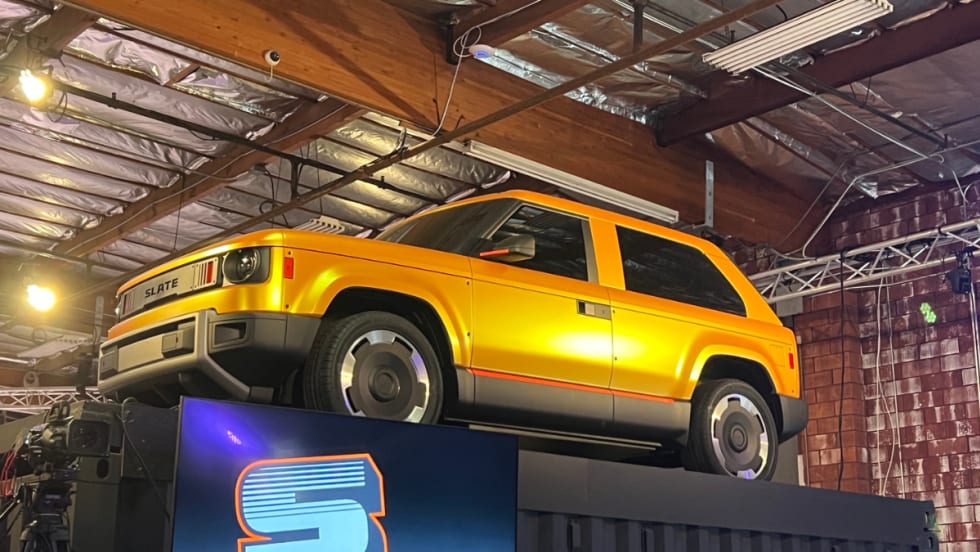
Slate Electric SUV, Pickup Switchable Model Aims For Light-Duty Fleets
Everything about this EV is counterintuitive and understated, making it stand out from the crowd.
Read More →
Inspiration Mobility Acquires Key Electrada Assets
Inspiration Mobility Group has acquired select assets of Electrada, adding the fleet electrification provider's team, technology, and charging infrastructure development capabilities to its energy management business.
Read More →
Turning Connected Vehicle Data Into Decisions That Matter
Fleet leaders have more data than ever, but turning that data into clear, actionable decisions remains a challenge. This white paper shows how leading organizations are using connected vehicle data to improve safety, reduce costs, and optimize fleet performance. Learn how to turn insight into action across your fleet.
Read More →