




Advancements Help Minimize the Environmental Impact of Trucks and Diesel Engines, According to Navistar
WARRENVILLE, IL – As the world becomes more vigilant and active about key environmental issues, many industries have renewed commitments to green initiatives.
WARRENVILLE, IL – As the world becomes more vigilant and active about key environmental issues, many industries have renewed commitments to green initiatives. According to Navistar, one group that has been steadily improving the environmental landscape is the commercial transportation industry. The industry has traditionally been thought of as unfriendly to the environment, but new technology has transformed many of today’s trucks and buses into environmentally responsible forms of transportation.
Below is Navistar’s list of its products now helping to green the vehicle industry:
American Idle — Do Trucks Really Need to Idle at Truck Stops? The U.S. Department of Energy estimates that each year trucks use 10 percent of diesel fuel idling — costing nearly $10 billion annually and emitting countless amounts of greenhouse gases into the atmosphere.
However, new technology provides trucks the necessary in-cab power without needing engines to idle. A MaxxPower auxiliary power unit (APU) from Navistar provides truck drivers with a power system that can save each truck more than $7,000 in fuel costs each year because the trucks will not need to idle to produce power. No idling means less diesel fuel used. The APU can produce the power many trucks rely on while using only two-tenths of a gallon per hour.
Are Semi-Trucks Fuel-Guzzlers? New advances in truck design allow for more aerodynamic, fuel-efficient travel. The International ProStar semi-truck achieved a fuel savings of more than $5,000 per truck. The fuel savings is based on traveling 144,000 miles annually and when compared to a leading competitor. It results in 1,300 gallons of fuel saved each year, per truck. The ProStar and the new International LoneStar both feature aerodynamic designs that make a difference both in reducing diesel fuel consumption as well as lowering greenhouse gas emissions.
Along with idle management products such as the MaxxPower APU and cleaner diesel engines, today’s semi-trucks are more environmentally responsible than ever before.
We Have Hybrid Cars, Why Not Hybrid Trucks? To date, Navistar has built more than 100 hybrid trucks that are in service by more than a dozen major utility companies, including Florida Power & Light, Exelon, and American Electric Power.
The International DuraStar Hybrid can provide fuel savings of 30 to 40 percent in many applications. Fuel efficiency can increase to more than 60 percent in utility-type applications. Diesel emissions are completely eliminated when the hybrid truck operates equipment (such as overhead utility booms) solely on the truck’s battery power, instead of allowing the engine to idle.
Navistar also partnered with the EPA, the U.S. Army, UPS, and Eaton Corporation to develop the first-ever series of diesel hydraulic hybrid urban delivery vehicles. Last year, Navistar received the 2007 Blue Sky Award from WestStart-CALSTART, the nation’s leading advanced transportation technology organization, for its contributions to the commercial development of diesel hybrid technology.
Aren’t Diesel Engines Smoky and Noisy? Today’s diesel engines meet strict EPA emissions requirements. With diesel fuel, drivers can get 40 percent more miles to the gallon than gasoline. Plus, diesel engines burn cleaner due to reformulated diesel fuel introduced in 2007 called Ultra Low-Sulfur Diesel.
In 2007, new diesel engines were introduced that eliminate more than 90 percent of particulate and hydrocarbon emissions, leaving the exhaust smokeless, odorless and much cleaner for the environment. In 2010, diesel engines will be even cleaner, with aggressive, near-zero emissions goals.
Navistar’s new MaxxForce mid-range diesel engines are 9-13 percent more fuel efficient. In fact, MaxxForce 7 and MaxxForce DT engines include a fuel efficiency guarantee. If customers don’t experience improvement in fuel economy over their previous engines, they are eligible to be refunded the difference (up to $1,000).
More Green Fleet

Turning Connected Vehicle Data Into Decisions That Matter
Fleet leaders have more data than ever, but turning that data into clear, actionable decisions remains a challenge. This white paper shows how leading organizations are using connected vehicle data to improve safety, reduce costs, and optimize fleet performance. Learn how to turn insight into action across your fleet.
Read More →
Are You Tracking Your Fleet's True Total Cost of Ownership?
Bobit Business Media surveyed 190 fleet professionals and found that while most fleets are tracking costs, fragmented systems and data gaps are keeping true TCO visibility out of reach. With rising pressure to control spend in an increasingly volatile environment, the gap between what fleets think they know and what the data actually shows is wider than you might expect. See how your peers are managing costs today and where the industry still has room to improve.
Read More →
Hybrids: Electrification Without the Challenges
For fleet managers, fuel is one of the biggest line items in the budget — and it's one hybrids can shrink without changing how your people work. Download the eBook to see the numbers, understand the technology, and get a step-by-step guide to making the switch.
Read More →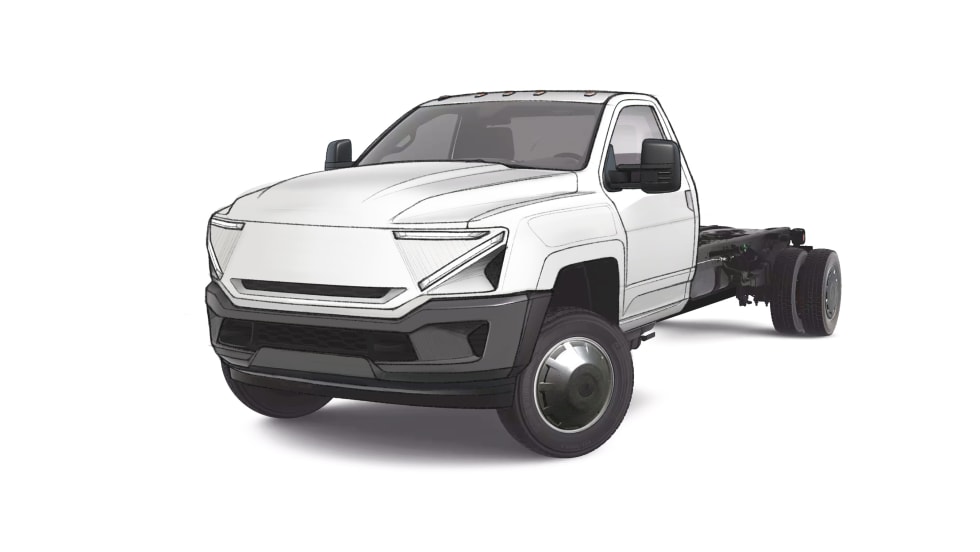
Startup ZMD Motors Developing Electric Conversion for Ram 5500 Work Trucks
Detroit-based company says it has begun early development of a system to convert internal combustion Ram 5500 chassis-cab trucks to electric power.
Read More →
U.S. EV Adoption Is Climbing, but Commercial and Passenger Markets Diverge
New industry group data revealed that light-duty electric vehicle sales are hitting record market share and volumes, while commercial EV volume dipped. What’s driving the fluctuations?
Read More →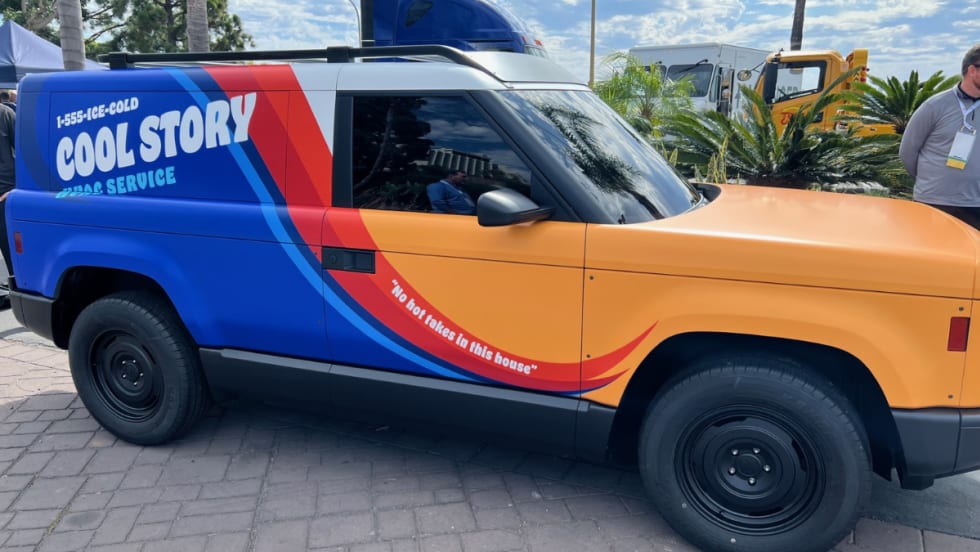
How To Upfit Electric Work Trucks and Vans
The biggest challenge lies in balancing additional equipment and accessories with EV battery capacity and range.
Read More →
How Fleets Can Adjust Approaches To EV Adoption
With the expiration of federal incentives, EV success now hinges less on government policy and more on discounts, battery tech progress, increased range, and broader infrastructure.
Read More →
Despite World Troubles, Forward Thinking Guides Fleets
Fleet operators shared their challenges during an annual conference that embraced the latest advances across all aspects of running private- and public-sector vehicles.
Read More →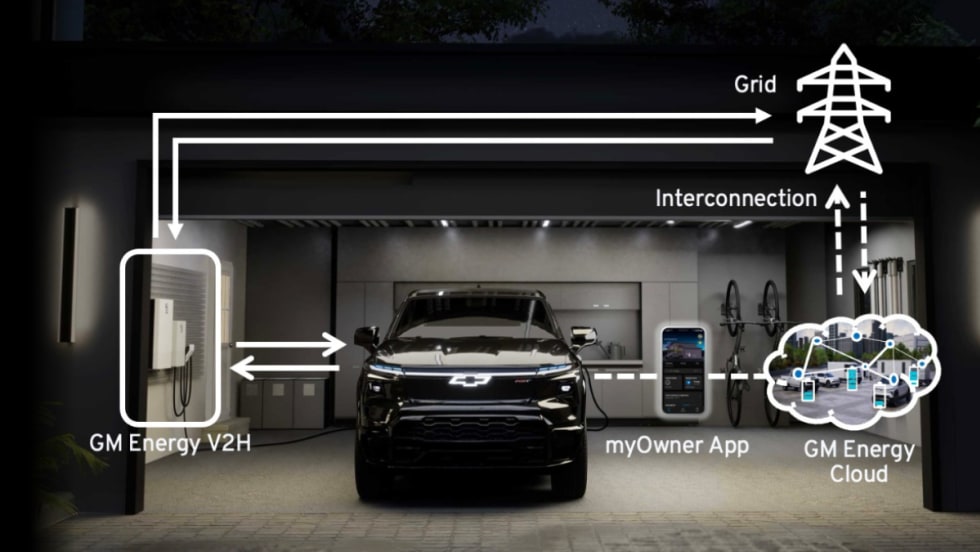
GM Energy Details Partnerships and Targets for Public Charging Build-Out
EVgo, Pilot, ChargePoint and IONNA named; goal is 35k GM-invested DC stalls by 2030, with customer-experience upgrades at sites.
Read More →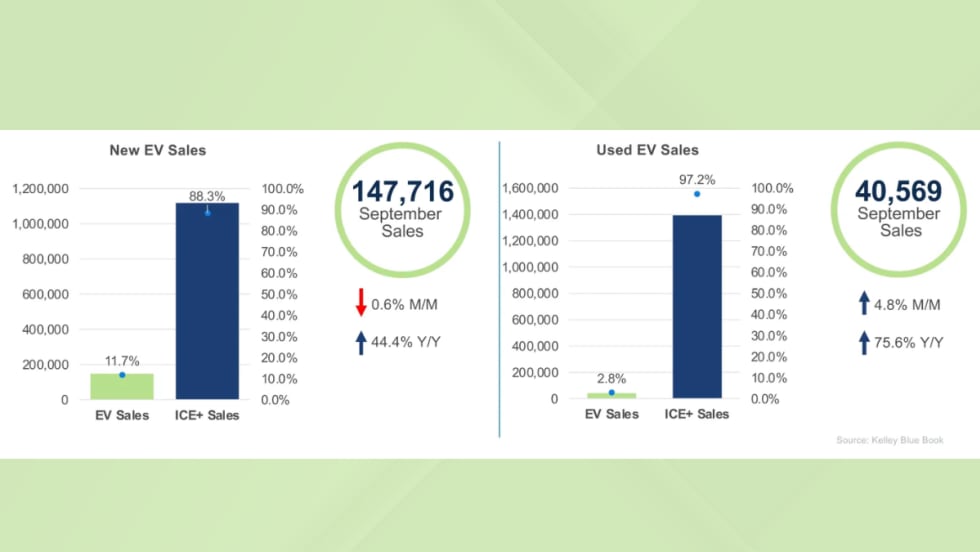
Q3 Electric Vehicles Sales Hit Record High
EV buyers took advantage of the final federal tax credit days, while average prices edged up for new EVs and continued to decline for used models.
Read More →