




AC Propulsion, AutoPort Develop EV for Postal Service
SAN DIMAS, CA - AC Propulsion and AutoPort are working together to provide an electric vehicle conversion prototype and report for the United States Postal Service.
SAN DIMAS, CA - AC Propulsion and AutoPort are working together to provide an electric vehicle conversion prototype and report for the United States Postal Service.
The USPS chose this as one of five solutions in a feasibility study for the possible conversion of its 142,000 Long Life Vehicles (LLVs) to plug-in battery electric vehicles.
"We are thrilled to partner with AutoPort to present a long-term solution to the U.S. Postal Service," AC Propulsion CEO Tom Gage said.
AC Propulsion, based in San Dimas, Calif., specializes in developing and manufacturing electric vehicle technology. Autoport, based in New Castle, Del., is an ISO 9002-certified automotive conversion, restyling and processing center.
With the AC Propulsion and AutoPort solution, the current USPS LLV design will be stripped of the gasoline engine, transmission and other components and refitted with the
AC Propulsion AC-150 drive system. That's an integrated power system that includes an AC induction motor, inverter, charger and 12V power supply.
AutoPort will convert the vehicle at its facilities in New Castle, Del. The converted vehicle will comply with Guidelines for Electric Vehicle Safety SAE J2344 and all applicable Federal Motor Vehicle Safety Standards, AC Propulsion said.
AC Propulsion and AutoPort's solution, according to the companies, offers the low cost of ownership and revenue-producing potential of vehicle-to-grid (V2G) technology integrated into its drive system. The AC-150 is a V2G capable drive-train.
"We believe that electricity is the right fuel for the USPS delivery fleet, and by including V2G capabilities, our solution will give the lowest total cost of operation," said Roy Kirchner, president of AutoPort.
AC Propulsion and AutoPort's solution will be tested against the USPS's requirements at AutoPort's facilities, and then will be placed into service in the D.C. metro area for at least one year.
More Green Fleet
EV Charging Use Is Outpacing Infrastructure Growth
ChargePoint’s 2026 Charging Forward Report points to rising charger use, higher-powered charging, commercial vehicle electrification, and energy-management technology. Here’s what fleets should know.
Read More →
Merchants Fleet Reports 290M EV Miles as Fleets Navigate Changing Electrification Market
From millions in operating savings to hundreds of millions of EV miles, Merchants Fleet’s latest report reveals what’s working and what’s changing in fleet electrification.
Read More →
The EV Breakdown Nobody's Talking About: Why Most Electric Vehicle Roadside Calls Aren't Mechanical Failures
Here's why EV breakdowns are widely misunderstood.
Read More →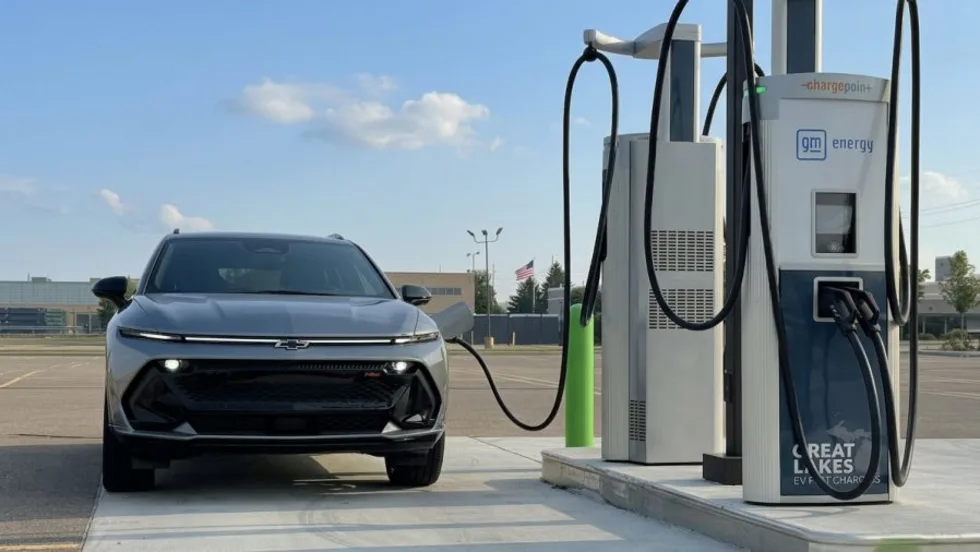
ChargePoint Now Available in Energy Pass
ChargePoint and additional planned charging network integrations were added to GM's Energy Pass.
Read More →

First Look: Slate Auto's Electric Fleet Pickup
Could an affordable, modular EV pickup make electrification more practical for fleets?
Read More →
Slate Debuts Colorful, Unique EV Models
A recent media and client event, studded with electric vehicles dressed up on platforms, planted a new position for the manufacturer in the wider EV market. Fleets will find cost-saving advantages.
Read More →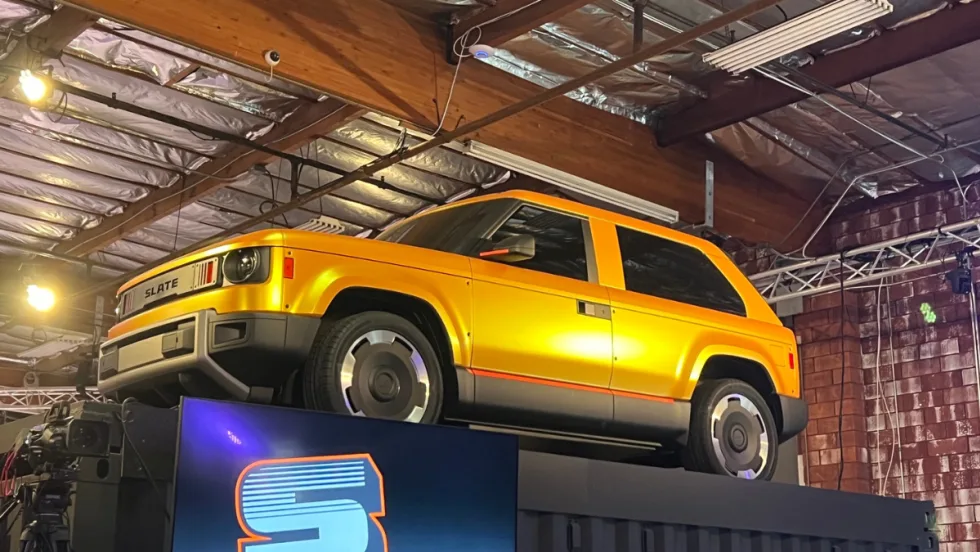
Slate Electric SUV, Pickup Switchable Model Aims For Light-Duty Fleets
Everything about this EV is counterintuitive and understated, making it stand out from the crowd.
Read More →
Inspiration Mobility Acquires Key Electrada Assets
Inspiration Mobility Group has acquired select assets of Electrada, adding the fleet electrification provider's team, technology, and charging infrastructure development capabilities to its energy management business.
Read More →
Turning Connected Vehicle Data Into Decisions That Matter
Fleet leaders have more data than ever, but turning that data into clear, actionable decisions remains a challenge. This white paper shows how leading organizations are using connected vehicle data to improve safety, reduce costs, and optimize fleet performance. Learn how to turn insight into action across your fleet.
Read More →