




ABI Research Identifies Two Major Commercial Telematics Milestones for 2005
OYSTER BAY, NY — 2005 will witness two major commercial telematics developments across multiple continents, according to ABI Research on December 16.
OYSTER BAY, NY — 2005 will witness two major commercial telematics developments across multiple continents, according to ABI Research on December 16. United Parcel Service (UPS) will introduce the first of 70,000 new Delivery Information Acquisition Devices (DIADs) it intends deploy over the next three years, starting with the U.S. and Europe (DIADs are the wireless mobile terminals UPS drivers use to make their deliveries). "The DIADs now feature Global Positioning System (GPS)," says ABI Research analyst David Schrier. "This makes them full-fledged commercial telematics devices that can now provide enhanced information regarding package delivery status, driver location, dispatching, and routing. Dispatchers can issue turn-by-turn maps and directions, and change pickups, routes and schedules on the fly." ABI Research notes that in addition to GPS, the new mobile terminals will also feature Bluetooth and Wi-Fi. This will significantly widen the gap between UPS and its leading competitors, FedEx and DHL. Meanwhile in Germany, the automated truck toll project will finally go "live" on January 1st, after many long delays. What has been called "the world's most sophisticated road toll project" was resurrected early in 2004 in renewed negotiations between the German government and TollCollect, the consortium that includes DaimlerChrysler, Deutsche Telekom and French motorways operator Cofiroute. The addressable market of trucks that move to and through Germany is estimated at over one million; the required onboard units, featuring Siemens and Delphi Grundig equipment, have been installed in some 150,000 trucks thus far. Schrier believes "there's a huge opportunity here for vendors to co-market their products to help shipping firms reduce idle time and overtime, track maintenance, among other fleet telematics applications. These can be combined with the onboard hardware of the toll system." ABI Research's "Commercial Telematics Service" examines the fleet telematics industry and provides insight into major market developments such as those described above. Adjunct technologies such as cellular, satellite, DSRC, Wi-Fi, UWB, and Bluetooth are also analyzed for their potential.
More Operations
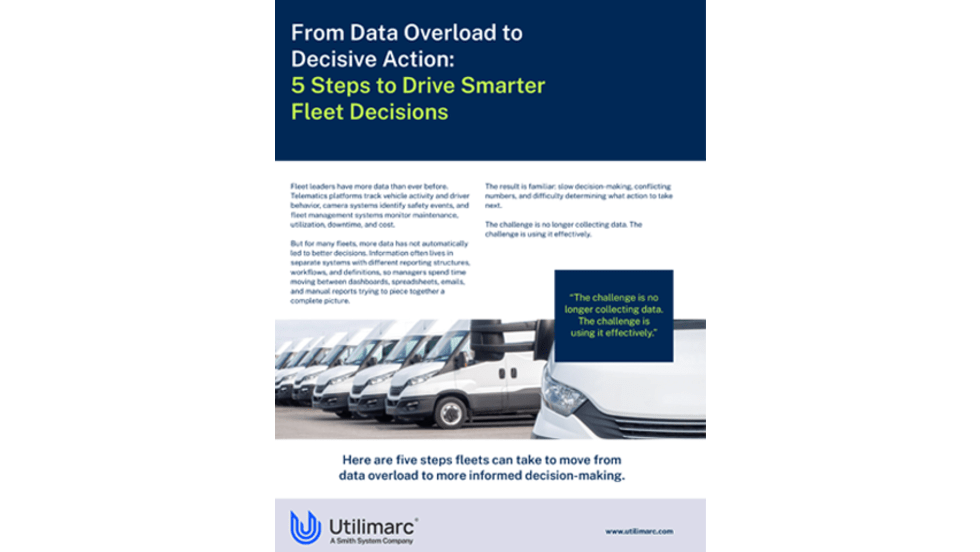
Turn Fleet Data Into Smarter Decisions
Fleet leaders have access to more operational data than ever, but disconnected systems and unclear metrics often slow decision-making instead of improving it. This article outlines five practical steps fleets can take to transform fragmented data into actionable insights that improve planning, safety, utilization, and long-term performance.
Read More →
Hybrids: Electrification Without the Challenges
For fleet managers, fuel is one of the biggest line items in the budget — and it's one hybrids can shrink without changing how your people work. Download the eBook to see the numbers, understand the technology, and get a step-by-step guide to making the switch.
Read More →
How NOV Uses Telematics to Improve Fleet Safety Across 160 Locations
James Victory of NOV discusses how the company manages fleet safety, maintenance, and telematics across more than 150 locations supporting oilfield operations throughout the U.S.
Read More →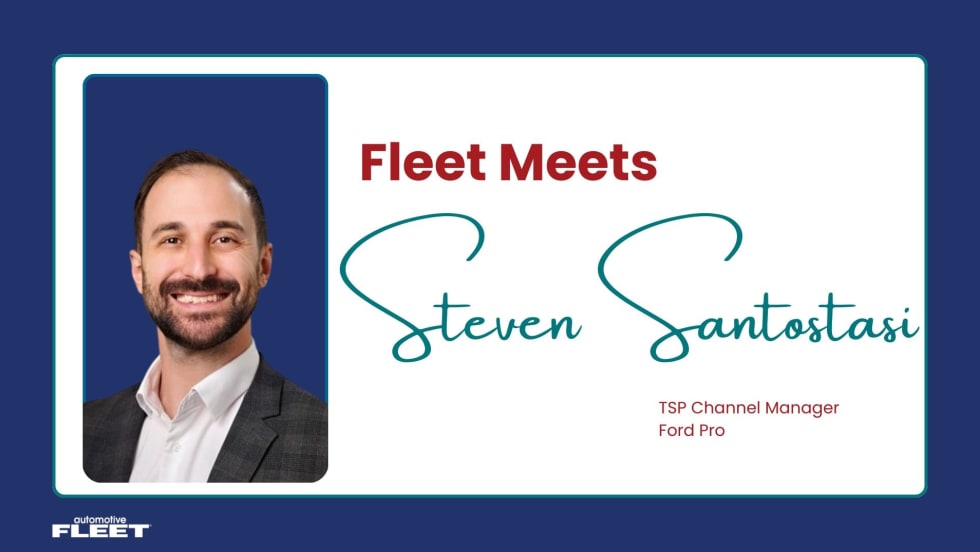
Fleet Meets: Steven Santostasi
This edition of the Fleet Meets series features Steven Santostasi, the current TSP channel manager for Ford Pro.
Read More →
Why Fleet Managers Are Replacing Departmental Vehicles with Shared Motor Pools
Departmentally assigned vehicles often create hidden costs through underutilization, poor visibility, and increased administrative burden. This white paper explores how shared motor pool strategies help fleets reduce costs, improve accountability, and optimize vehicle utilization.
Read More →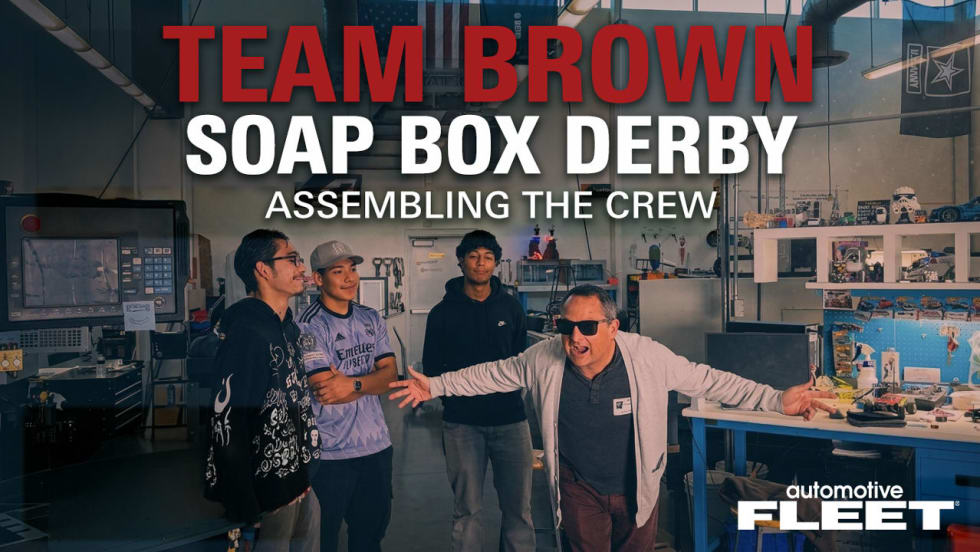
Soap Box Derby Challenge: Assembling the Crew
Meet Gabriel, Matthew, and Angel — the team helping bring this soap box derby build to life.
Read More →
BBL Fleet Acquires Velcor Leasing Corporation
BBL Fleet expanded its footprint in the fleet management industry with the acquisition of Velcor Leasing Corporation of Madison through a stock purchase agreement finalized Feb. 27, 2026.
Read More →
Lytx Introduces New AI Fleet Technologies at Protect 2026
The company introduced new AI-driven fleet safety and operations technologies during its annual user conference.
Read More →
Fleet Costs Are Rising: Here’s How Leaders Are Responding
Fleet leaders are under pressure to reduce costs, adapt to economic uncertainty, and make smarter decisions. See how peers across North America are responding with real data, proven strategies, and forward-looking insights. Download the 2026 Market Pulse Report to benchmark your strategy and uncover where you can gain an edge.
Read More →
From Waffle House to AI: Fleet Trends You Need to Know
In this AF news recap, host Faith Howell covers how Waffle House stepped up during disaster response and new AI tech on the market.
Read More →