




Abengoa Opens First Waste-to-Biofuels Plant, Says Great Potential to Develop in U.S.
The plant that uses waste-to-biofuels (W2B) technology has a capacity to treat 25,000 tons of municipal solid waste (MSW) from which it will obtain up to 1.5 million liters of bioethanol for use as fuel.
Abengoa, a company that applies technology solutions for sustainability in the energy and environment sectors, opened its first demonstration plant that uses waste-to-biofuels (W2B) technology. The plant has a capacity to treat 25,000 tons of municipal solid waste (MSW) from which it will obtain up to 1.5 million liters of bioethanol for use as fuel, Abengoa said.
According to the company, Abengoa has "great potential" to develop W2B plants in America based on the current U.S. Environmental Protection Agency's goals to produce second generation bioethanol through MSW conversion.
The demonstration plant, located in Babilafuente, Spain, uses a fermentation and enzymatic hydrolysis treatment, according to the company. During the transformation process, the organic matter is treated in various ways to produce organic fiber that is rich in cellulose and hemicellulose, which is subsequently converted into bioethanol.
The bioethanol produced at the W2B plant has multiple uses such as in gasoline additives, fuel for cars; solvents for chemicals and pharmaceuticals, and as an intermediate product in producing jet fuel, Abengoa said.
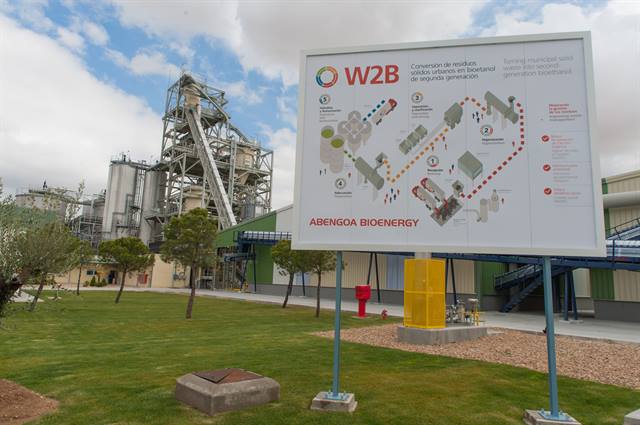
Abengoa's waste-to-biofuels (W2B) demonstration plant in Babilafuente, Spain.
Photo courtesy Abengoa
More Green Fleet

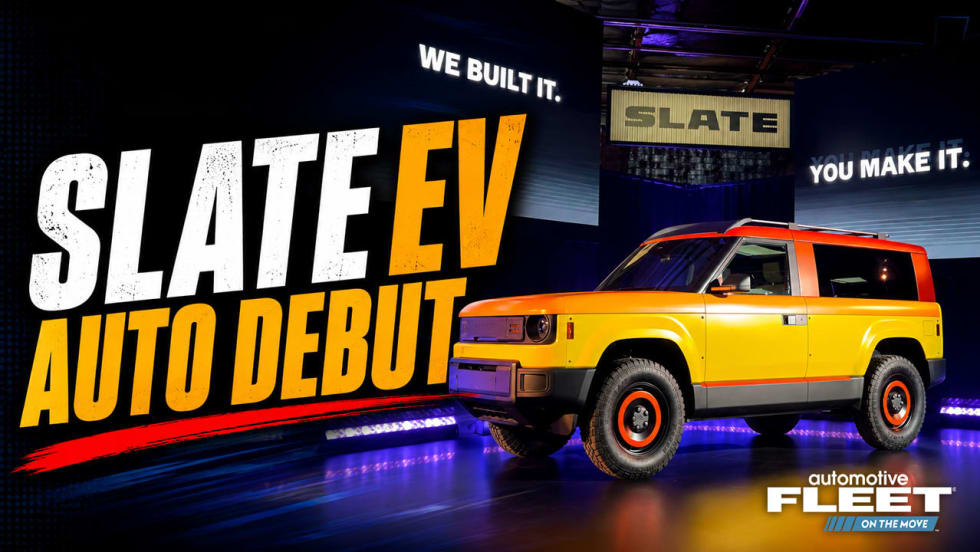
First Look: Slate Auto's Electric Fleet Pickup
Could an affordable, modular EV pickup make electrification more practical for fleets?
Read More →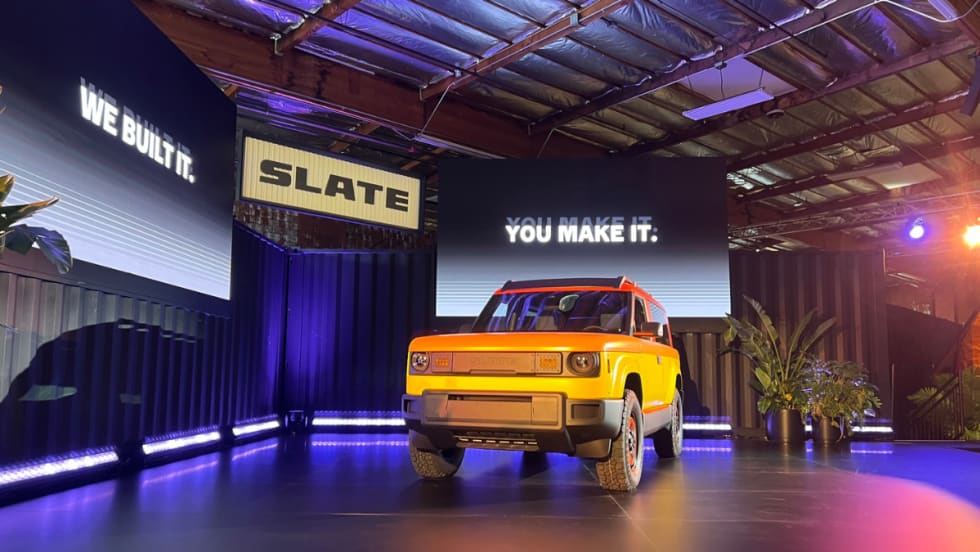
Slate Debuts Colorful, Unique EV Models
A recent media and client event, studded with electric vehicles dressed up on platforms, planted a new position for the manufacturer in the wider EV market. Fleets will find cost-saving advantages.
Read More →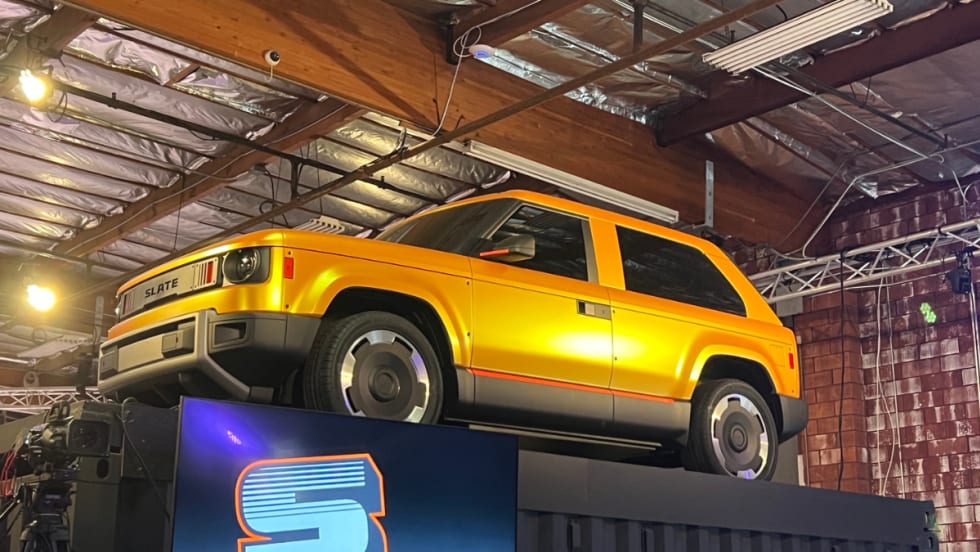
Slate Electric SUV, Pickup Switchable Model Aims For Light-Duty Fleets
Everything about this EV is counterintuitive and understated, making it stand out from the crowd.
Read More →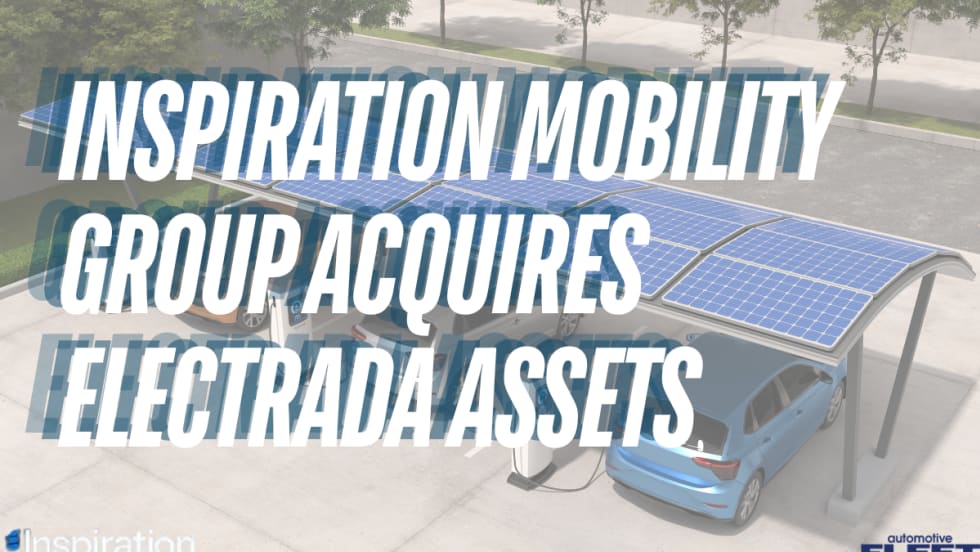
Inspiration Mobility Acquires Key Electrada Assets
Inspiration Mobility Group has acquired select assets of Electrada, adding the fleet electrification provider's team, technology, and charging infrastructure development capabilities to its energy management business.
Read More →
Turning Connected Vehicle Data Into Decisions That Matter
Fleet leaders have more data than ever, but turning that data into clear, actionable decisions remains a challenge. This white paper shows how leading organizations are using connected vehicle data to improve safety, reduce costs, and optimize fleet performance. Learn how to turn insight into action across your fleet.
Read More →
Are You Tracking Your Fleet's True Total Cost of Ownership?
Bobit Business Media surveyed 190 fleet professionals and found that while most fleets are tracking costs, fragmented systems and data gaps are keeping true TCO visibility out of reach. With rising pressure to control spend in an increasingly volatile environment, the gap between what fleets think they know and what the data actually shows is wider than you might expect. See how your peers are managing costs today and where the industry still has room to improve.
Read More →
Hybrids: Electrification Without the Challenges
For fleet managers, fuel is one of the biggest line items in the budget — and it's one hybrids can shrink without changing how your people work. Download the eBook to see the numbers, understand the technology, and get a step-by-step guide to making the switch.
Read More →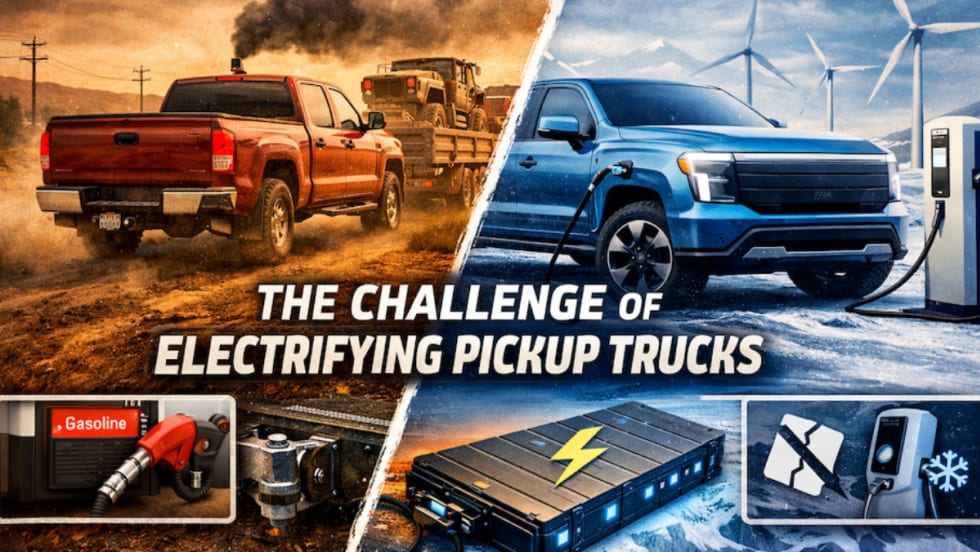
Why America’s Most Popular Vehicle is So Hard to Electrify
Turning America’s favorite workhorse electric means balancing range, payload, charging infrastructure, and price, an equation automakers are still trying to solve.
Read More →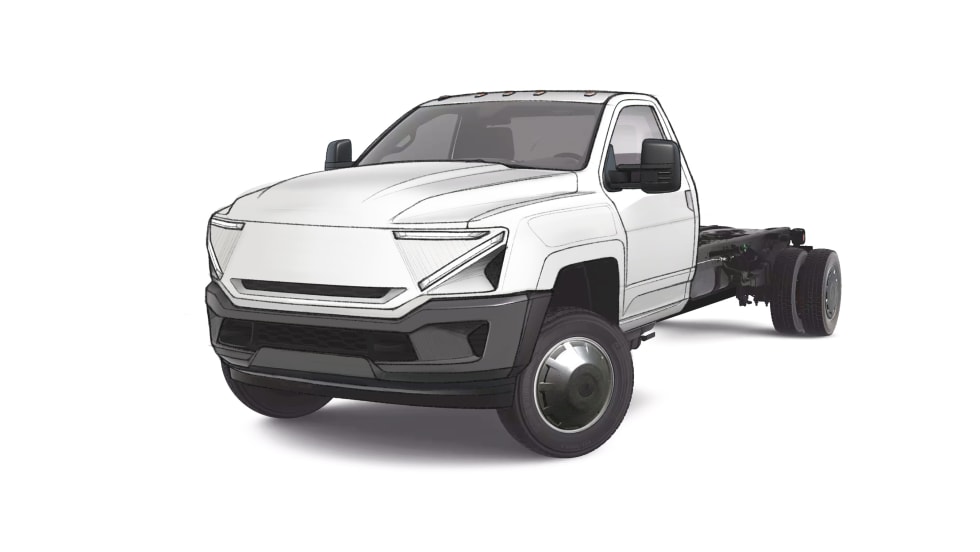
Startup ZMD Motors Developing Electric Conversion for Ram 5500 Work Trucks
Detroit-based company says it has begun early development of a system to convert internal combustion Ram 5500 chassis-cab trucks to electric power.
Read More →