




Related: Few Americans Trust AVs, AAA Finds
AAA Test: Active Safety Systems Experienced Issues Every 8 Miles
Among other problems, AAA automotive researchers found that vehicles with active driving assistance systems often disengage with little notice — almost instantly handing control back to the driver.
by Staff
August 6, 2020
When test vehicles with activated ADAS encountered a simulated disabled vehicle, in aggregate, a collision occurred 66% of the time and the average impact speed was 25 mph.
Photo courtesy of AAA.
2 min to read
Automotive researchers at AAA found that over the course of 4,000 miles of real-world driving, vehicles equipped with active driving assistance systems experienced some type of issue every eight miles, on average.
Researchers noted trouble with the systems keeping the test vehicles in their lane and coming too close to other vehicles or guardrails. AAA also found that active driving assistance systems, those that combine vehicle acceleration with braking and steering, often disengage with little notice — almost instantly handing control back to the driver.
Active driving assistance, classified as Level 2 automation, is the highest level of ADAS available on vehicles today. This means for a majority of drivers, their first or only interaction with vehicle automation is through these types of systems, which according to AAA, are far from 100% reliable.
AAA tested the functionality of active driving assistance systems in real-world conditions and in a closed course setting to determine how well they responded to common driving scenarios. On public roadways, nearly three-quarters (73%) of errors involved instances of lane departure or erratic lane position.
While AAA’s closed-course testing found that the systems performed mostly as expected, they were particularly challenged when approaching a simulated disabled vehicle. When encountering this test scenario, in aggregate, a collision occurred 66% of the time and the average impact speed was 25 mph.
“AAA has repeatedly found that active driving assistance systems do not perform consistently, especially in real-word scenarios,” said Greg Brannon, director of automotive engineering and industry relations. “Manufacturers need to work toward more dependable technology, including improving lane keeping assistance and providing more adequate alerts.”
“Active driving assistance systems are designed to assist the driver and help make the roads safer, but the fact is, these systems are in the early stages of their development,” added Brannon. “With the number of issues we experienced in testing, it is unclear how these systems enhance the driving experience in their current form. In the long run, a bad experience with current technology may set back public acceptance of more fully automated vehicles in the future.”
More Fleet Forward
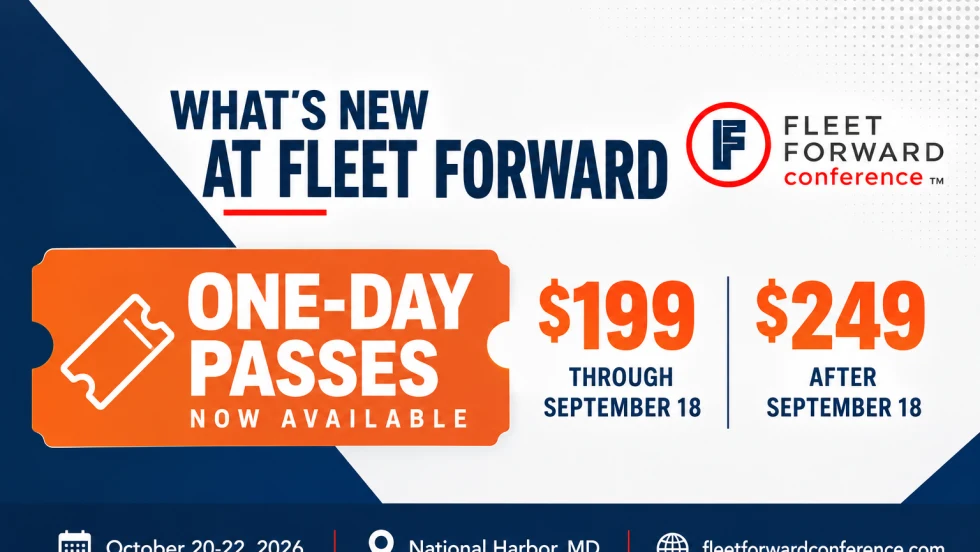
Fleet Forward Conference Introduces One-Day Passes for 2026
New one-day registration gives fleet professionals the flexibility to attend Tuesday, Wednesday, or Thursday, with passes available for $199 through Sept. 18.
Read More →
Vibe Coding: When Fleet Managers Become Software Builders
Five fleet professionals — none with programming skills — discuss how they’re using AI to build fleet solutions in-house and in a fraction of the time.
Read More →
Fleet Forward Conference Tackles Fleet Industry’s Growing Leadership Gap
This session will examine succession planning, knowledge transfer, and the skills the next generation of fleet leaders will need as veteran professionals leave the industry.
Read More →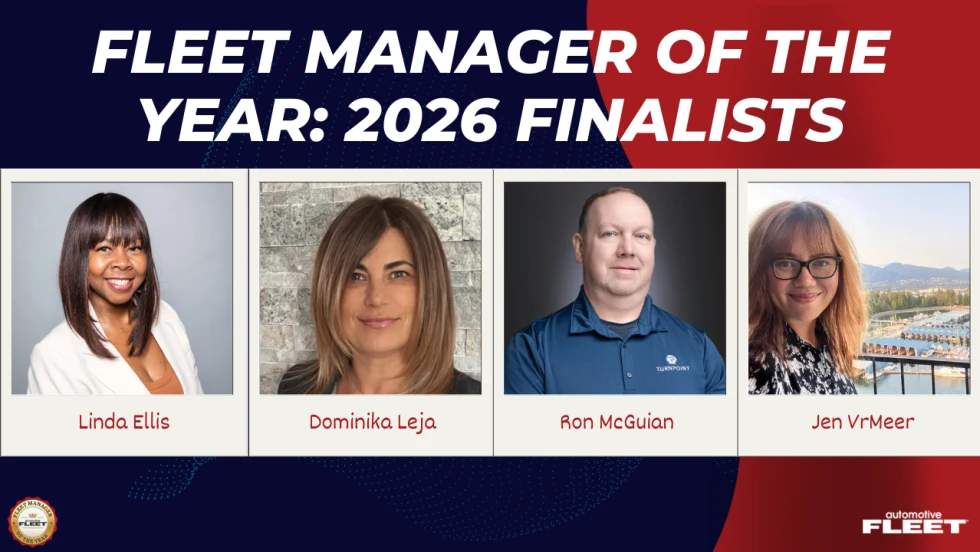
2026 Fleet Manager of the Year Finalists Announced
Who are the 2026 Fleet Manager of the Year finalists?
Read More →
John Rossant to Deliver Opening Keynote at 2026 Fleet Forward Conference
The CoMotion founder will draw on developments across Europe, China, the Middle East, and other international markets to identify trends that could influence how U.S. fleets plan for the coming decade.
Read More →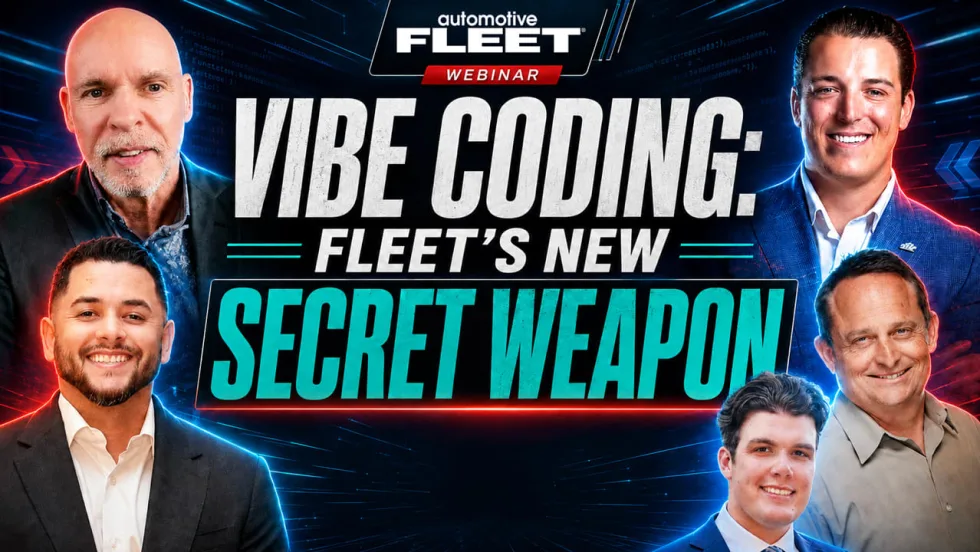
How to Build Custom Fleet Tools With AI and Vibe Coding [Webinar]
A new Automotive Fleet webinar explores how fleet managers are using AI and vibe coding to automate routine work and create simple operational tools without traditional programming skills.
Read More →
Is Fleet Ready for Its New Disruptors?
Three emerging leaders from a corporate fleet, public fleet, and the automotive supply chain will bring new ideas and a willingness to challenge industry norms to the Fleet Forward Conference stage.
Read More →
NAFA Announces 2026 Fleet Safety Symposium Education Program
Register for NAFA’s Fleet Safety Symposium and save $200 on your Fleet Forward Conference registration.
Read More →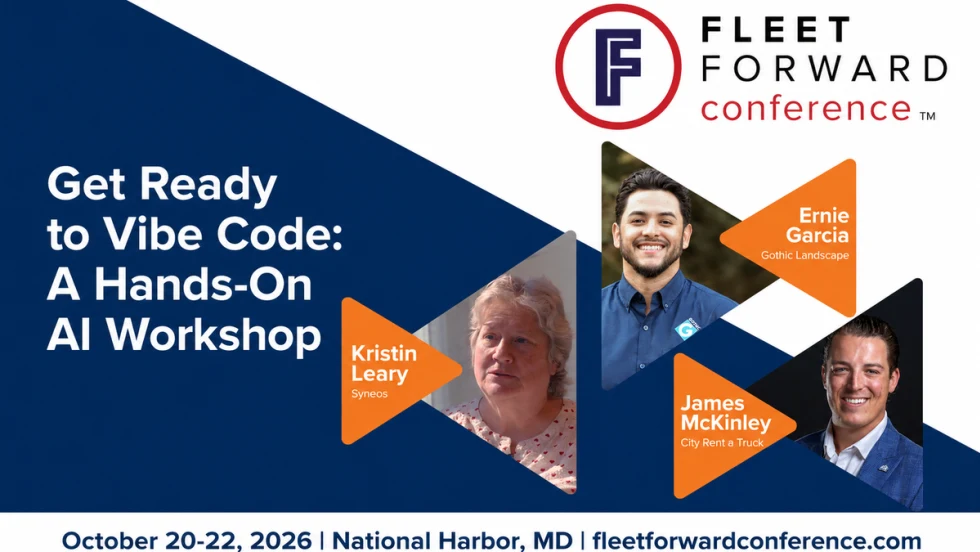
Fleet Managers Take the Lead in Hands-On AI Workshop at FFC
The fleet manager-led session will show how to use “vibe coding” to build practical fleet tools without a traditional programming background.
Read More →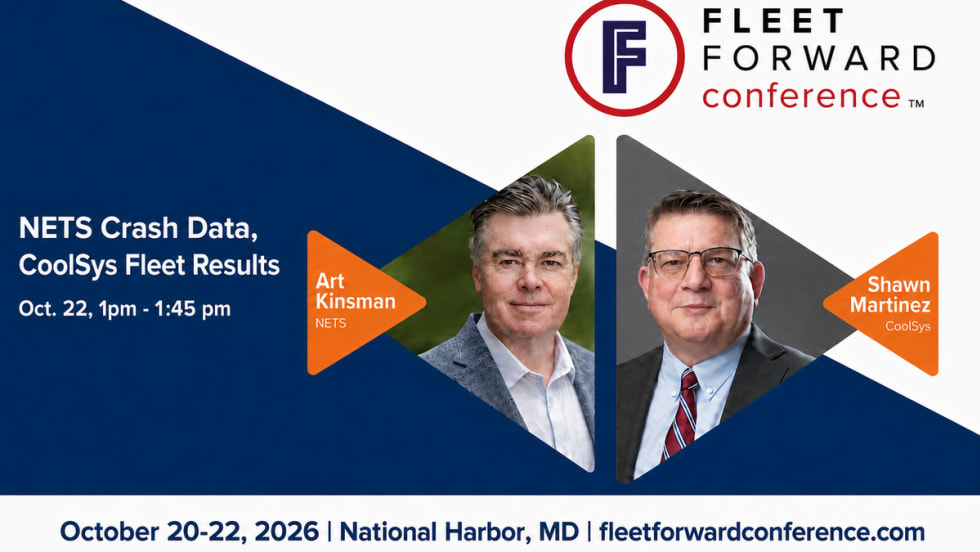
NETS Crash-Cost Data and CoolSys’ 80% Loss Reduction Take Center Stage at FFC
NETS will present findings from its latest Cost of Crashes research, then CoolSys safety leader and author Shawn Martinez will explain how the company built a safer driving culture across 3,500 employees.
Read More →