




AAA Offers Fuel-Saving Tips
HEATHROW, Fla. --- AAA offers gas-saving tips to help drivers deal with the ongoing sky-high prices at the pump.
HEATHROW, Fla. --- Here are some tips from AAA that will help drivers save gasoline and money:
* If you operate more than one car -— especially if one of your vehicles is a less fuel-efficient vehicle such as a pickup truck, sport utility vehicle or van -— use the more energy-conserving vehicle as often as possible.
* Consolidate trips and errands to cut down on driving time and miles traveled.
* Find one location where you can take care of everyday shopping chores. Comparison shop by phone, online or through newspaper ads.
* Slow down. The faster a vehicle travels, the more fuel it burns.
* Avoid quick starts and sudden stops. This wastes fuel, is harder on vehicle components and increases the odds of a traffic crash.
* Lighten the load. Don’t haul extra weight in the passenger compartment, trunk or cargo area of your vehicle. A heavier vehicle uses more gasoline.
* Keep your eyes open for low fuel prices, but don’t waste gas driving to a distant filling station to save a few cents.
* Stick to a routine maintenance schedule. Keeping tires inflated, moving components properly lubricated, and ignition and emission systems operating properly will help ensure maximum fuel efficiency and extend the life of your vehicle.
Your driving style can have a significant impact on the amount of fuel you use. Remember the following:
* Know the correct starting procedure for your car. Don’t race a cold engine to warm it up or allow it to idle for an extended time. Avoid rapid acceleration until the engine temperature is in the normal range. The engine will warm up faster under a light load, and emissions equipment will begin to function sooner.
* Maintain steady speeds for the best fuel economy. A car uses extra fuel when it accelerates.
* Minimize the need to brake by anticipating traffic conditions. Be alert for slowdowns and red lights ahead of you, and decelerate by coasting whenever possible.
* Travel at moderate speeds on the open road. Higher speeds require more fuel to overcome air resistance. Remember, however, speeds slower than the flow of traffic can create a traffic hazard.
* Use the air conditioner conservatively. Most air conditioners have an "economy" or "recirculation" setting that reduces the amount of hot outside air that must be chilled. Both settings can reduce the air-conditioning load — and save gas.
* Keep your eyes open for low fuel prices, but don’t waste gas driving to a distant filling station to save a few cents. If your vehicle's engine does not need premium fuel, using anything other than regular is simply a waste of money.
Fuel is part of the total cost of vehicle ownership, so fuel conservation should be an important factor when choosing a new car. Consider whether the car, truck or sport utility vehicle under consideration is bigger and heavier than necessary. Compare the Environmental Protection Agency fuel economy ratings on the vehicles you're considering. Other options to consider include:
* Four-wheel-drive vehicles generally use more gasoline than other vehicles, especially if the four-wheel-drive system is engaged during routine driving.
* Vehicles with automatic transmissions may use more gasoline than those equipped with manual transmissions.
* Smaller engines usually equate to better gas mileage.
* Vehicle engines that require premium fuel, as stated in the owner's manual, will cost more to operate in the long run.
* Some trucks, vans and SUVs come in several sizes and configurations. Models with a shorter bed, abbreviated cargo area or smaller cab are lighter and generally consume less fuel.
* Light exterior and interior colors and tinted windows can reduce heat buildup, which saves on air conditioning.
* Cruise control may be a fuel-saving option if you drive a lot on open roads. Maintaining a steady speed conserves fuel.
Routine oil changes will keep your engine running smoothly, reduce harmful emissions and prolong the life of your vehicle.
Check your owner's manual for routine maintenance instructions, and keep the following points in mind:
* Spark plugs must be in good condition. Some will last for 100,000 miles, but many need to be replaced more often.
* Check the air and fuel filters at least twice a year. Dirty filters increase fuel consumption and can cause poor performance.
* Inflate tires according to manufacturer recommendations. Under-inflated tires are a safety hazard and can cut fuel economy by as much as 2 percent per pound of pressure below the recommended level.
* Have your vehicle serviced immediately if the emissions malfunction indicator light —MIL — or "check engine" light comes on.
* Have your vehicle serviced regularly by a certified technician, who can also inspect important vehicle components that can affect fuel consumption.
If your vehicle's engine does not need premium fuel, using anything other than regular is simply a waste of money. Other tips include:
* Don't top off your gas tank. In warm weather, fuel expansion can cause overflow.
* If you must replace a gas cap, make sure it is the right one for your car. A poorly fitting cap can cause engine problems, increase emissions and reduce fuel economy.
* Keep track of gas mileage. If you notice a decrease in fuel economy, your vehicle may not be operating at peak performance.
* Look into gas rebate programs.
More Fuel
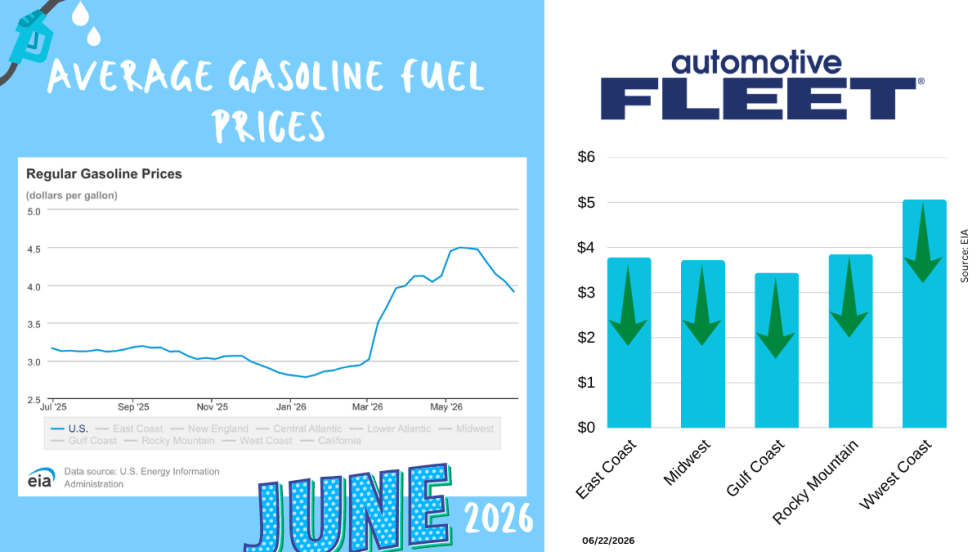
June Fuel Update: Prices Fall Below $4
Drivers are finally getting some relief at the pump. The national average gas price has dropped below $4 a gallon for the first time in months, with prices falling in 47 states as oil markets react to developments in U.S.-Iran negotiations.
Read More →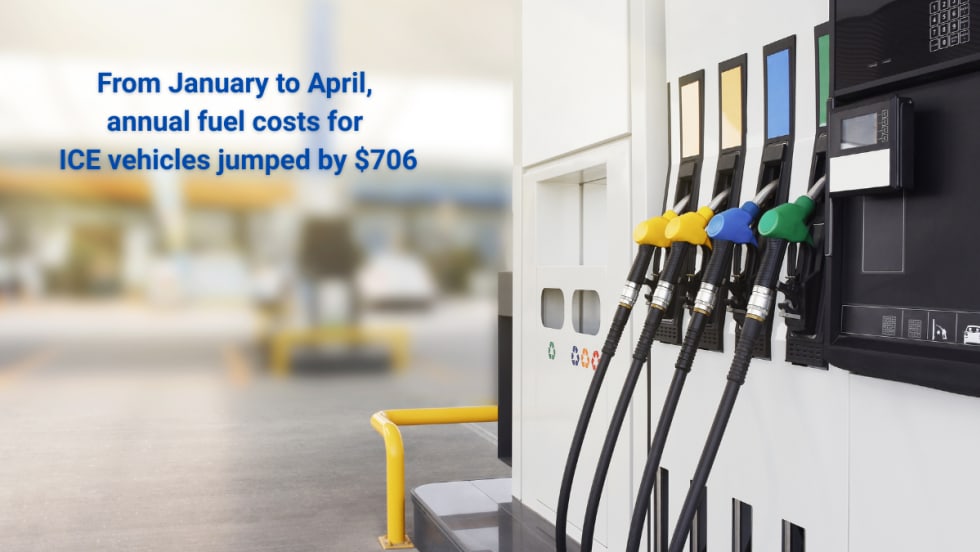
Study: How 2026's Gas Price Hikes Affect Different Vehicle Types
New data from iSeeCars reveals how rising fuel costs have affected different vehicle segments as gasoline prices climbed nearly 46% over the past four months.
Read More →
Are You Tracking Your Fleet's True Total Cost of Ownership?
Bobit Business Media surveyed 190 fleet professionals and found that while most fleets are tracking costs, fragmented systems and data gaps are keeping true TCO visibility out of reach. With rising pressure to control spend in an increasingly volatile environment, the gap between what fleets think they know and what the data actually shows is wider than you might expect. See how your peers are managing costs today and where the industry still has room to improve.
Read More →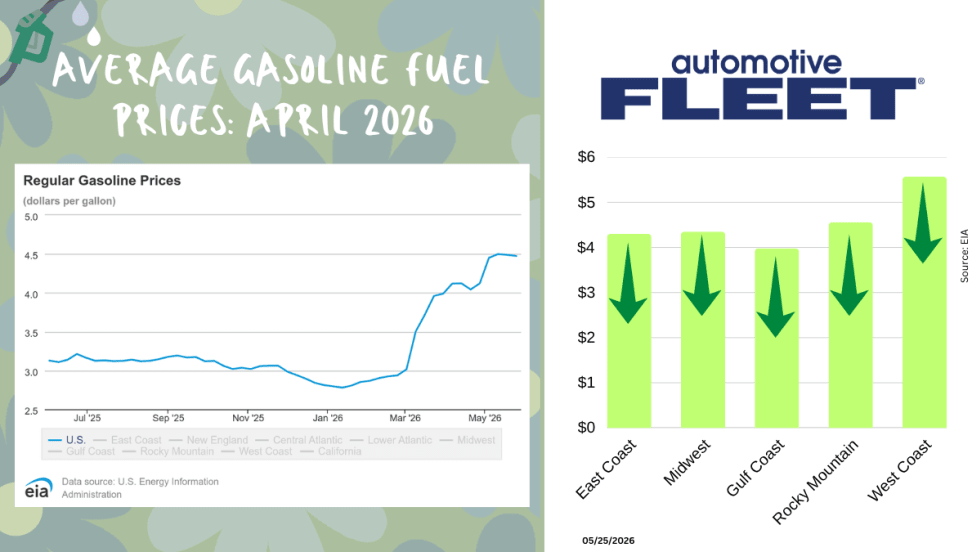
May Fuel Update: All Regions Experience Declines
Gas prices are finally easing in much of the country, but experts warn global tensions could quickly reverse the trend as the national average remains well above last month’s levels.
Read More →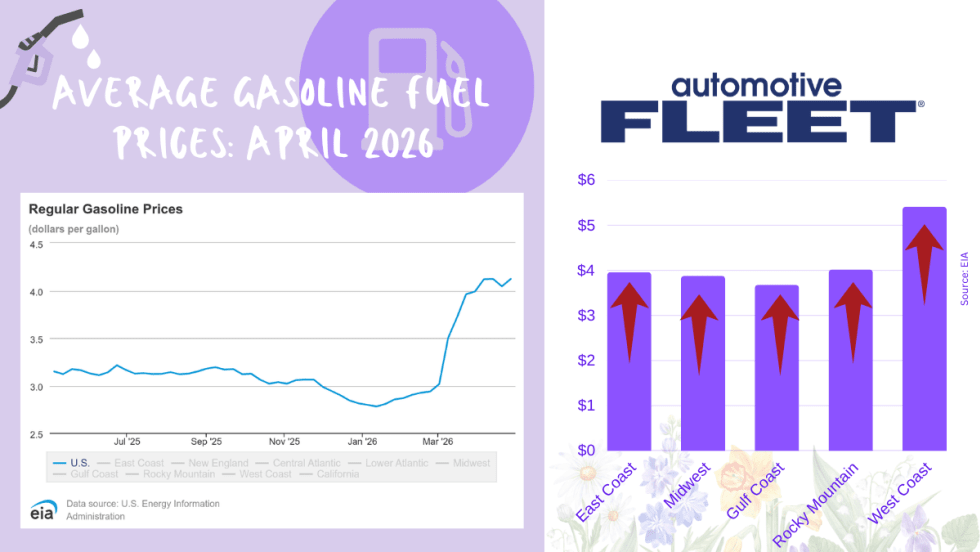
April Fuel Update: Prices Climb Above $4 as Spring Surge Accelerates
National average jumps to $4.04 per gallon, up sharply from last year, with West Coast prices topping $5 and further increases expected amid rising oil tensions.
Read More →
Tips from Fleet Managers on Saving Fuel Costs
Fleet leaders share practical strategies to reduce fuel spend through smarter policy, routing, and driver guidance.
Read More →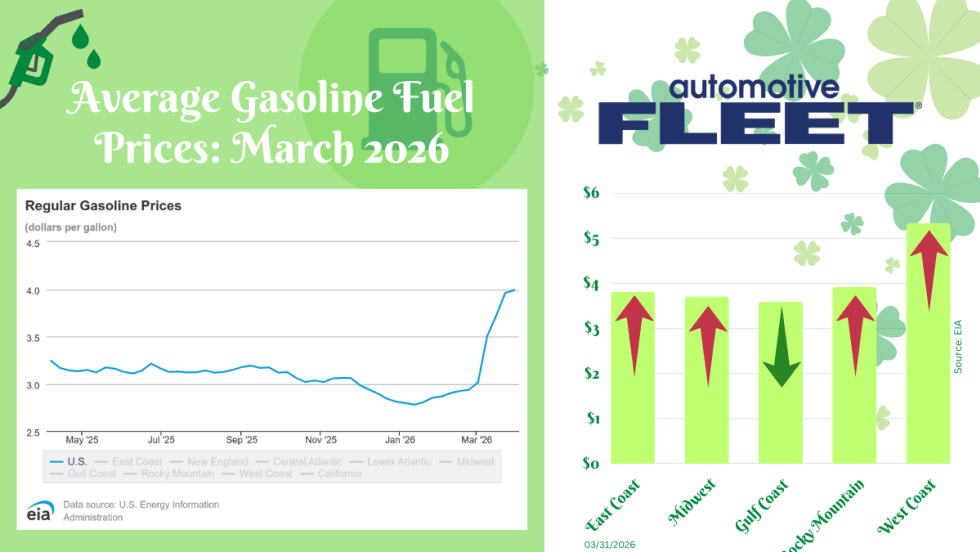
March Fuel Update: Prices Settle With a $4 Average
Fuel prices significantly slowed this week, but a $4 national average is still expected.
Read More →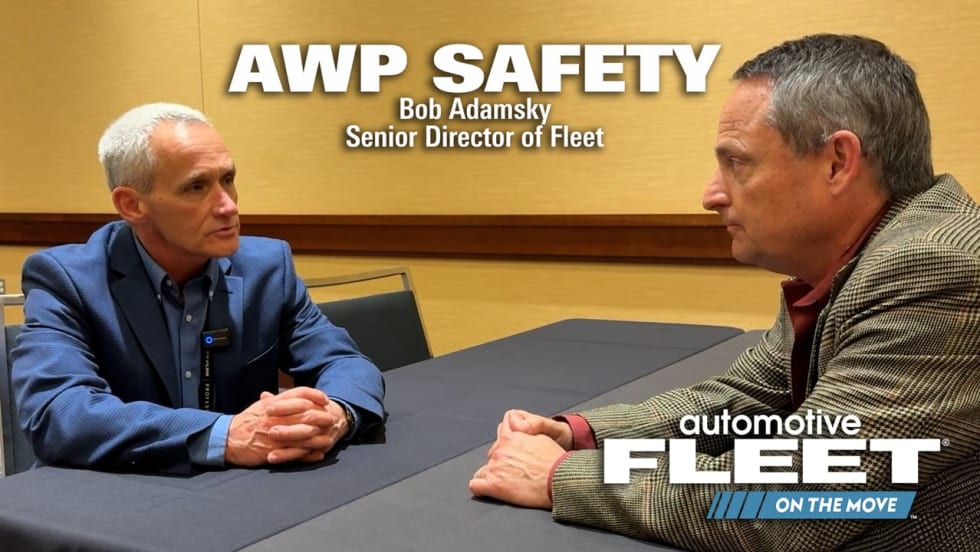
Bob Adamsky on Fuel Volatility: “Don’t Panic — Have a Plan”
With oil prices rising again, AWP Safety’s fleet manager shares how to respond to rising fuel costs and how the right strategy can turn fuel spikes into cost-saving opportunities.
Read More →
Oil Market Turbulence Is Complicating Fleet Cost Planning
Rapid swings in crude oil prices driven by the conflict in the Middle East could create longer-term cost pressures for fleets, affecting fuel prices, supply chains, and vehicle strategy, says NTEA’s Andrew Wrobel.
Read More →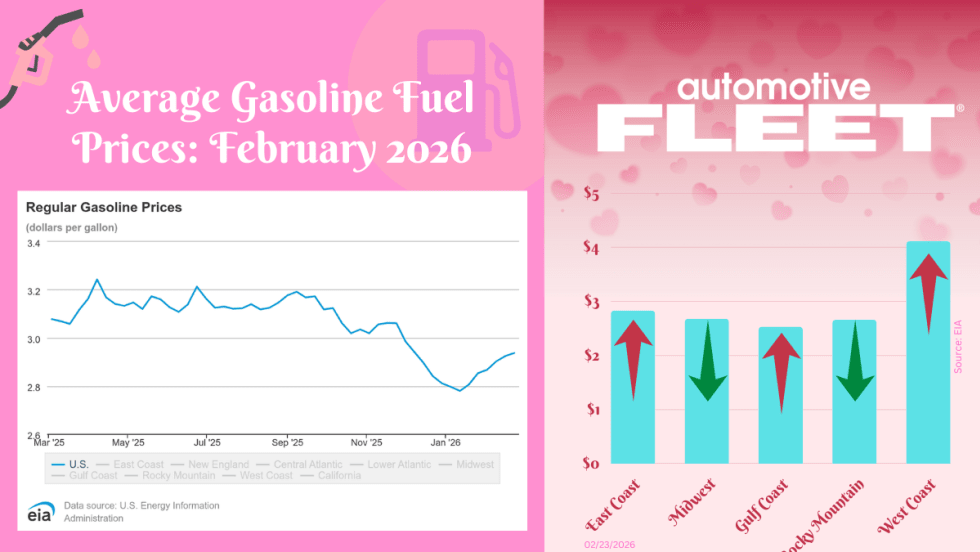
February Fuel Update: Prices Inch Higher for Third Week in a Row
The final February fuel update reveals prices continuing to inch higher for the third week in a row.
Read More →