




8 States Release Zero-Emission Vehicle Plan
Eight states released an 11-point action plan they say will help them reach 3.3 million zero emission vehicles (ZEV) on their roadways by 2025.
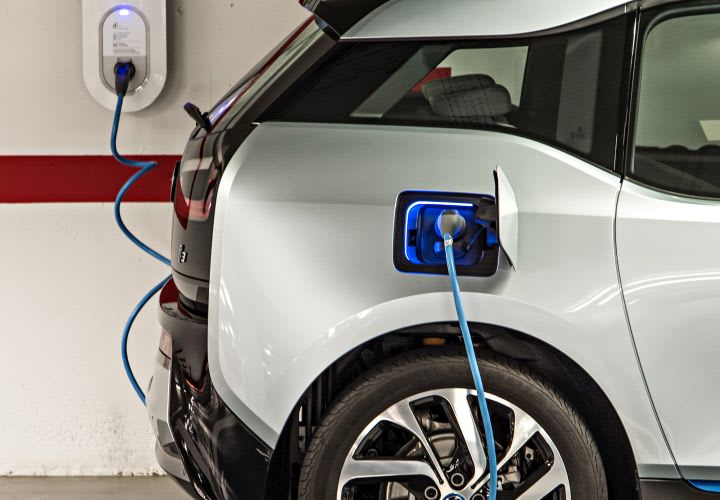
Photo courtesy of BMW.
Photo courtesy of BMW.
Eight states released an 11-point action plan they say will help them reach 3.3 million zero emission vehicles (ZEV) on their roadways by 2025.
The multi-state plan sets the goal of reducing harmful emissions in California, Connecticut, Massachusetts, New York, Oregon, Rhode Island, and Vermont. The plan covers three main areas, including building the market; providing consistent codes, standards, and tracking; and improving the experience.
"Today, we're putting a foot on the pedal to get more clean cars on the road," said California Gov. Jerry Brown. "This is real action to reduce greenhouse gas emissions."
As a part of their effort, the states will increase the number of zero-emission vehicles in state fleets, build out infrastructure supporting cleaner-vehicle technology, and encourage commercial and rental fleets to acquire ZEVs.
The states also plan to remove regulatory barriers to charging station installation, provide uniform signage, and track progress toward the goal.
The states hope to improve the experience of driving the vehicles by promoting workplace charging, offering consumer incentives for purchasing ZEVs, and improve access to charging networks.
View the full plan here.
More Green Fleet
New Propane Autogas Program Offers Fleet Compensation
Qualified commercial fleets can receive $7,500 per eligible propane autogas vehicle and up to $10,000 for new refueling site prep. Learn how the program works and see whether your fleet qualifies.
Read More →
EV Charging Use Is Outpacing Infrastructure Growth
ChargePoint’s 2026 Charging Forward Report points to rising charger use, higher-powered charging, commercial vehicle electrification, and energy-management technology. Here’s what fleets should know.
Read More →
Merchants Fleet Reports 290M EV Miles as Fleets Navigate Changing Electrification Market
From millions in operating savings to hundreds of millions of EV miles, Merchants Fleet’s latest report reveals what’s working and what’s changing in fleet electrification.
Read More →
The EV Breakdown Nobody's Talking About: Why Most Electric Vehicle Roadside Calls Aren't Mechanical Failures
Here's why EV breakdowns are widely misunderstood.
Read More →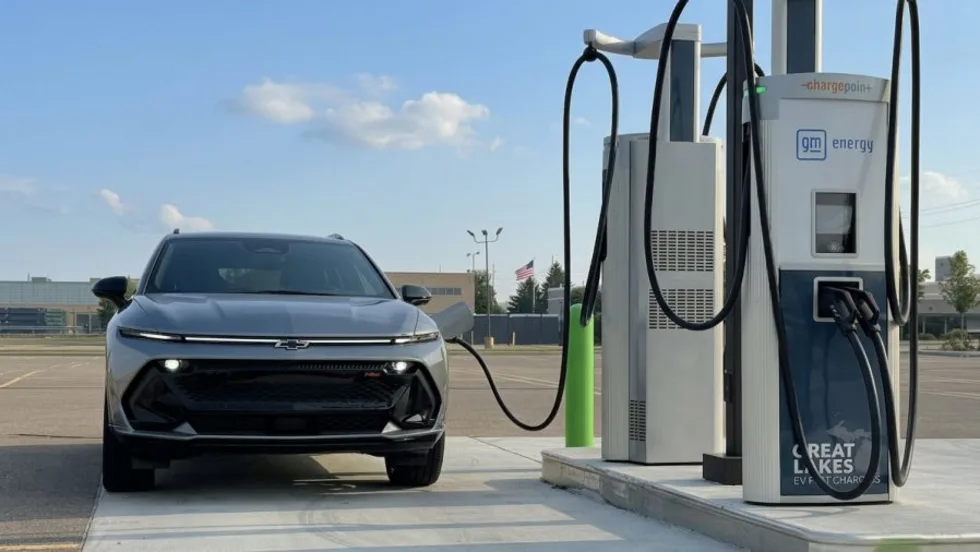
ChargePoint Now Available in Energy Pass
ChargePoint and additional planned charging network integrations were added to GM's Energy Pass.
Read More →

First Look: Slate Auto's Electric Fleet Pickup
Could an affordable, modular EV pickup make electrification more practical for fleets?
Read More →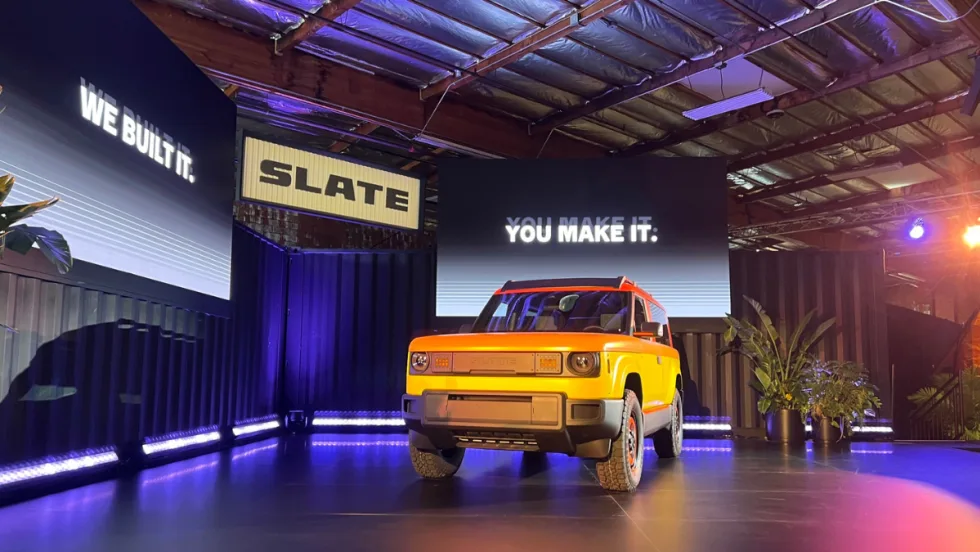
Slate Debuts Colorful, Unique EV Models
A recent media and client event, studded with electric vehicles dressed up on platforms, planted a new position for the manufacturer in the wider EV market. Fleets will find cost-saving advantages.
Read More →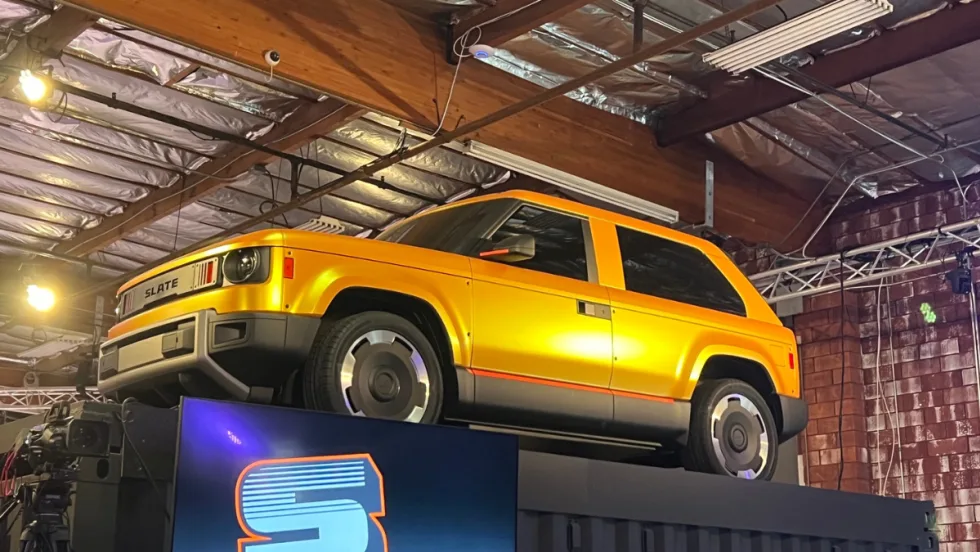
Slate Electric SUV, Pickup Switchable Model Aims For Light-Duty Fleets
Everything about this EV is counterintuitive and understated, making it stand out from the crowd.
Read More →
Inspiration Mobility Acquires Key Electrada Assets
Inspiration Mobility Group has acquired select assets of Electrada, adding the fleet electrification provider's team, technology, and charging infrastructure development capabilities to its energy management business.
Read More →