




3M Announces Certification for CNG Tank
3M announced it has successfully completed the NGV2-2007 certification process for its first compressed natural gas (CNG) tank, a 21.5 x 60-inch tank designed for light- and medium-duty pickup trucks and corporate fleet vehicles.
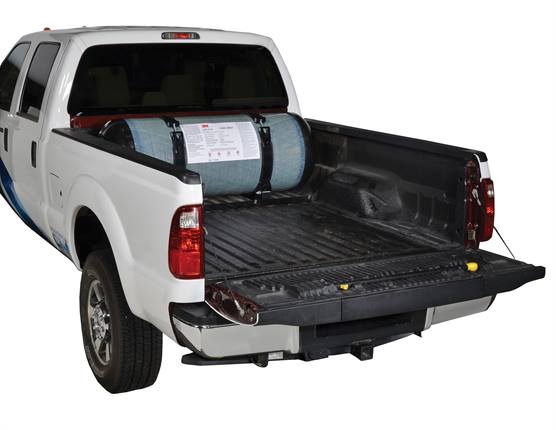
3M's new CNG tank installed on a truck
3M announced it has successfully completed the NGV2-2007certification process for its first compressed natural gas (CNG) tank. The 21.5 x 60 inch tank is designed for light- and medium-duty pickup trucks and corporate fleet vehicles. 3M’s tankcapitalizes on improvements in geometries and proprietary 3M Matrix Resin, featuring nanosilica technology to deliver a solution that is lighter, offers greater capacity, and is more cost effective than similar tanks, according to the company.
“We are enthusiastic about the future of natural gas vehicles and are proud to introduce this tank to help companies take advantage of the benefits of natural gas as a transportation fuel,” said Mike Roman, vice president of 3M’s Industrial Adhesive and Tapes Division, home to 3M’s advanced composites business. “With a tank that will help provide more range and more payload capacity at less expense, CNG vehicles are now an even more attractive alternative for fleet and individual retail customers alike.”
The tank will be showcased March 6-8 at the NTEA Work Truck Show in Indianapolis. Initially, tanks will be available through five approved upfitters with whom 3M is collaborating. These companies include OEM Systems of Okarche, Okla.; Venchurs Vehicle Systems of Adrian, Mich.; Alternative Fuel Solutions of Mahaffey, Penn.; AVS of Salt Lake City, Utah; and World CNG of Kent, Wash.
The successful certification follows the 2012 announcement by 3M and Chesapeake Energy Corporation that the two would collaborate in designing, manufacturing and marketing a broad portfolio of CNG tanks for use in all sectors of the United States transportation market. 3M expects to announce certification of other geometries in the coming months. Chesapeake is slated to become one of the first end users of the new 21.5 x 60 inch tank, which it will incorporate in its fleet vehicles. Chesapeake is currently converting its fleet of nearly 5,000 vehicles to run on natural gas.
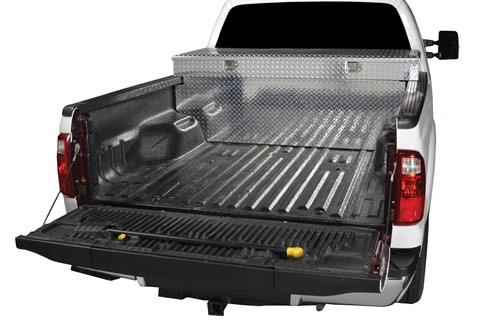
CNG tank installed with a cover on it, ready for the road
“The fuel tank has been the most expensive single component on a CNG vehicle, causing a bottleneck for the market,” said Nathan Pumphrey, Chesapeake director – fleet operations. “3M’s tank portfolio will lower the total cost of natural gas vehicle ownership and speed market adoption. We look forward to incorporating these tanks into our fleet vehicles to save money on our conversions; and with CNG available for as little as $0.99 per gasoline gallon equivalent in some markets, we’ll cut our fueling costs, too.”
In line with a broader commitment to CNG, 3M has also begun working with its transportation providers to utilize CNG on trucks carrying 3M products. 3M has already implemented a pilot program with Dart Transit Company on dedicated routes, and anticipates others will follow.
Related content:
3M & Chesapeake Energy Partner on New Cost-Saving CNG Tanks
More Green Fleet

Merchants Fleet Reports 290M EV Miles as Fleets Navigate Changing Electrification Market
From millions in operating savings to hundreds of millions of EV miles, Merchants Fleet’s latest report reveals what’s working and what’s changing in fleet electrification.
Read More →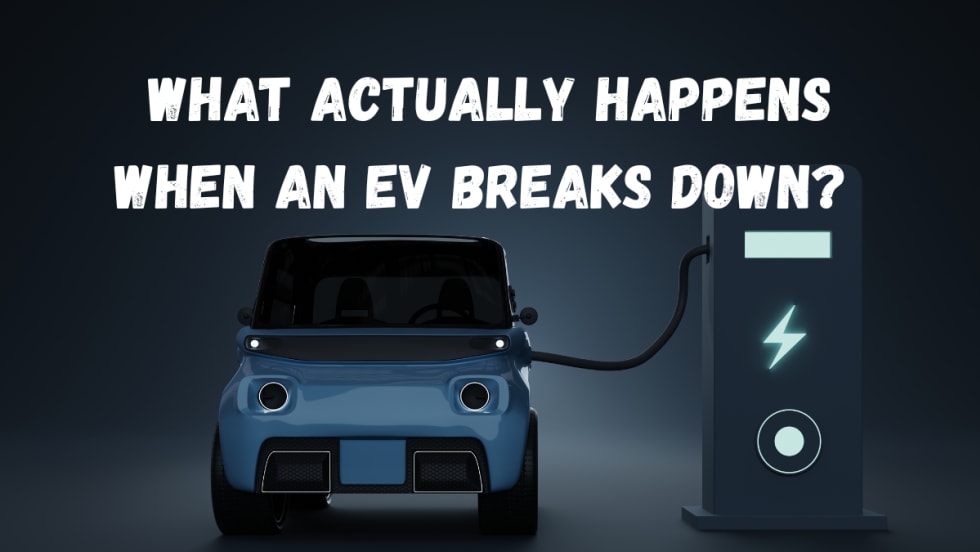
The EV Breakdown Nobody's Talking About: Why Most Electric Vehicle Roadside Calls Aren't Mechanical Failures
Here's why EV breakdowns are widely misunderstood.
Read More →
ChargePoint Now Available in Energy Pass
ChargePoint and additional planned charging network integrations were added to GM's Energy Pass.
Read More →

First Look: Slate Auto's Electric Fleet Pickup
Could an affordable, modular EV pickup make electrification more practical for fleets?
Read More →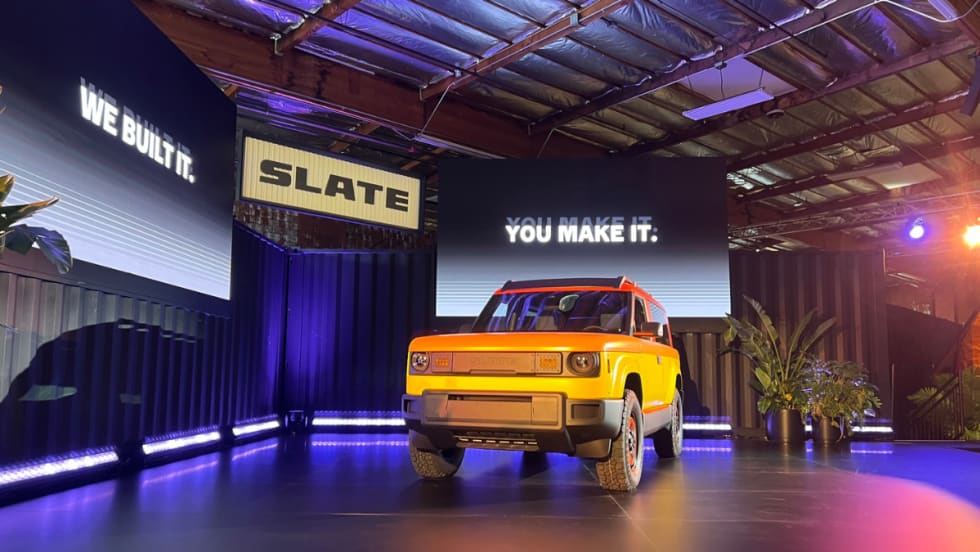
Slate Debuts Colorful, Unique EV Models
A recent media and client event, studded with electric vehicles dressed up on platforms, planted a new position for the manufacturer in the wider EV market. Fleets will find cost-saving advantages.
Read More →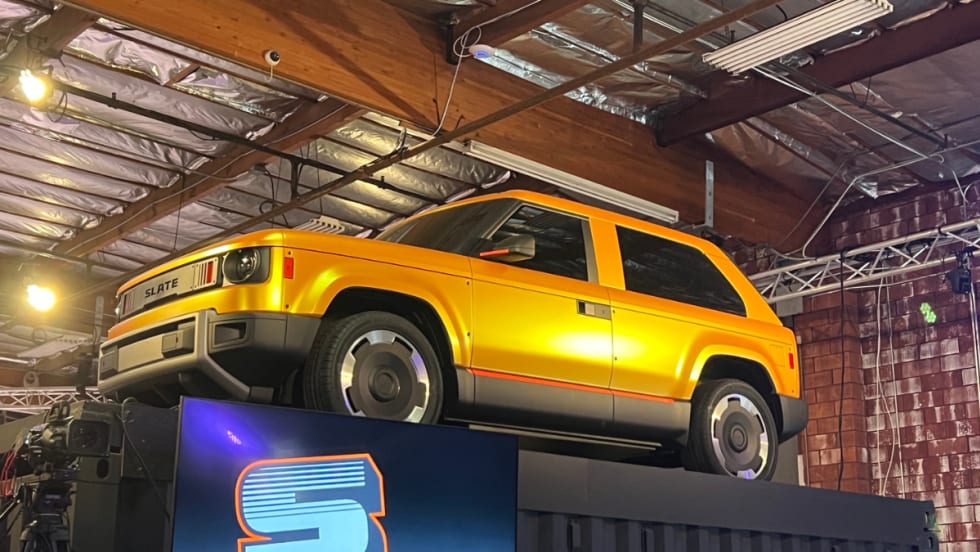
Slate Electric SUV, Pickup Switchable Model Aims For Light-Duty Fleets
Everything about this EV is counterintuitive and understated, making it stand out from the crowd.
Read More →
Inspiration Mobility Acquires Key Electrada Assets
Inspiration Mobility Group has acquired select assets of Electrada, adding the fleet electrification provider's team, technology, and charging infrastructure development capabilities to its energy management business.
Read More →
Turning Connected Vehicle Data Into Decisions That Matter
Fleet leaders have more data than ever, but turning that data into clear, actionable decisions remains a challenge. This white paper shows how leading organizations are using connected vehicle data to improve safety, reduce costs, and optimize fleet performance. Learn how to turn insight into action across your fleet.
Read More →
Are You Tracking Your Fleet's True Total Cost of Ownership?
Bobit Business Media surveyed 190 fleet professionals and found that while most fleets are tracking costs, fragmented systems and data gaps are keeping true TCO visibility out of reach. With rising pressure to control spend in an increasingly volatile environment, the gap between what fleets think they know and what the data actually shows is wider than you might expect. See how your peers are managing costs today and where the industry still has room to improve.
Read More →