




Related: Ford Gives Glimpse Into 2020 Lineup
2019 Fusion: First Ford to Standardize Driver-Assist Tech
Ford will debut its standard driver-assist technology package, Co-Pilot360, on the 2019 Fusion mid-size sedan, which has been named Fleet Car of the Year six times since 2011.
by Staff
March 20, 2018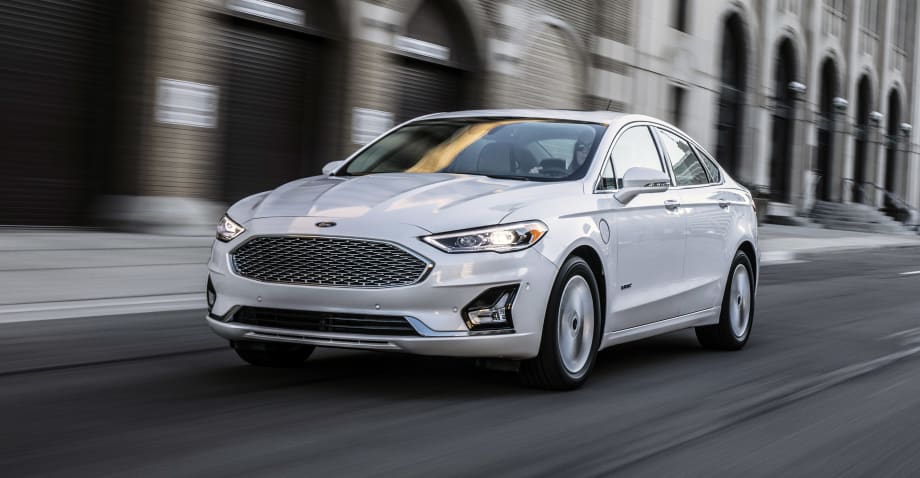
Photo of 2019 Fusion mid-size sedan courtesy of Ford.
1 min to read
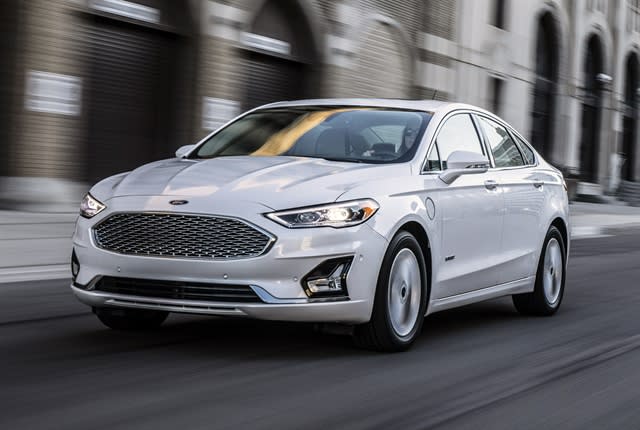
Photo of 2019 Fusion mid-size sedan courtesy of Ford.
Ford will debut its standard driver-assist technology package, Co-Pilot360, on the 2019 Fusion mid-size sedan, which has been named Fleet Car of the Year six times since 2011.
Co-Pilot360, which was announced on March 15, includes five driver-assisting features, including automatic emergency braking with pedestrian detection, a blind spot information system, a lane keeping system, backup camera, and automatic high beams.
The 2019 Fusion will also offer sleeker styling and greater all-electric driving range for the plug-in hybrid Fusion Energi when it arrives at dealer lots in late summer. The updated mid-size sedan will debut later this month at the New York International Auto Show.
Ford will again offer its Fusion in five trim grades, including S, SE, Titanium, Sport, and Platinum. The engine lineup carries over, including the standard 2.5-liter four-cylinder (175 hp). Optional engines include the 1.5-liter EcoBoost (181 hp), 2.0-liter EcoBoost (245 hp), and twin-turbocharged 2.7-liter EcoBoost V-6.
For 2019, the 1.5L EcoBoost will be standard on the SE grade.
The Fusion Energi will offer an EPA-estimated all-electric range of 25 miles, which is a nearly 20% improvement over the outgoing model. A 9-kilowatt-per-hour lithium-ion battery replaces a 7.6-kWh pack.
The Fusion won Fleet Car of the Year from Automotive Fleet and Business Fleet in 2017, 2015, 2013, 2012, 2011, and 2010.
More Operations

Avis Budget Group Deploys Neology Toll Management Technology Across Major Brands
Neology’s neoFleet platform will manage toll transactions and toll-authority operations for vehicles across Avis, Budget, Payless, Budget Truck and Zipcar.
Read More →
Fleet Personal-Use Charges Edge Higher in 2026
Nearly eight in 10 surveyed fleets allow personal use of company vehicles, while just over half of respondents report charging employees for the privilege.
Read More →
The Future of Fleet + What’s Changing Right Now | AF News Recap
Could developments overseas offer a preview of what’s coming for U.S. fleets? This week, we’re looking at the future of AI, autonomy, and electrification, plus Ford Pro’s new certified pre-owned program, smarter vehicle offboarding, and a new way for fleets to manage toll expenses.
Read More →
How to Handle Vehicle Offboarding
What do fleet managers need to do when a driver leaves?
Read More →
Sponsored•October 1, 2026
Fleet Manager’s Ultimate Playbook: Navigating the New Standard in OEM Connectivity
Rising operating costs, driver safety concerns, and unplanned downtime are putting unprecedented pressure on modern fleets. Discover how fleet managers use embedded OEM connectivity and real-time vehicle data to cut TCO, prevent downtime, and protect drivers without aftermarket telematics hardware.
Read More →
U.S. Bank Adds Verra Mobility Toll Management to Voyager Fleet Platform
The integration allows U.S. Bank Voyager fleet customers to manage toll payments and violations alongside fuel, EV charging and maintenance expenses.
Read More →
ADAS Prevents Crashes. But Repairs Cost More | AF News Recap
ADAS-equipped vehicles may crash less often, but they can cost more when they do. This week, we’re breaking down what that tradeoff means for fleets, plus Subaru’s first Forester Wilderness Hybrid, Nissan’s new e-POWER Rogue, and why Calstart has become Catalyst Mobility.
Read More →
Moventum Fleet Management Names Mark Iorillo Head of Sales
Iorillo brings nearly 20 years of fleet management and sales experience to the role, including previous positions at Element Fleet Management, CEI, Donlen and Ryder.
Read More →
Fleet Has a Talent Pipeline Problem. What Comes Next? | AF News Recap
Where will fleet’s next generation of leaders come from? This week, we’re looking at the industry’s talent pipeline, what certification can add to a fleet career, how to build an award-worthy track record, and the return of Automotive Fleet’s Personal Use Survey.
Read More →
Smith System Launches Driver Risk Management Program
Fleets have more driver data than ever, but identifying risky behavior doesn't necessarily correct it. Smith System's new Driver Risk Management program combines monitoring, training, and follow-up coaching to help fleets connect risk signals with driver intervention.
Read More →