




2019 Ford Ranger Production to Begin in Late 2018
The Ford Ranger is returning to the North American market with a 2.3L EcoBoost engine, 10-speed automatic transmission, and a suite of Ford’s latest technologies.
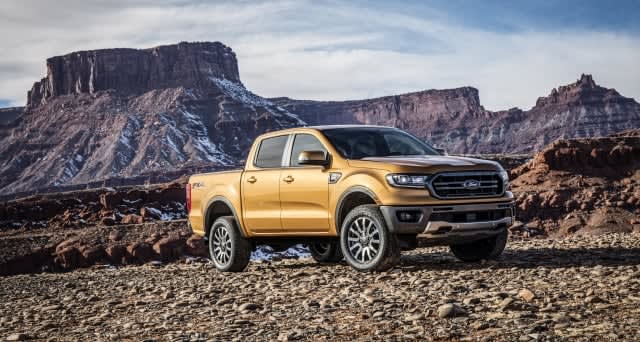
The Ranger will be available in three trim grades: XL, midlevel XLT, and a high-level Lariat trim series. It will include FX Off-Road packages, and in SuperCab or SuperCrew cab configurations. (Photo courtesy of Ford Motor Co.)

The Ranger will be available in three trim grades: XL, midlevel XLT, and a high-level Lariat trim series. It will include FX Off-Road packages, and in SuperCab or SuperCrew cab configurations. (Photo courtesy of Ford Motor Co.)
The Ford Ranger is returning to the North American market with a 2.3L EcoBoost engine, 10-speed automatic transmission, and a suite of Ford’s latest technologies.
Production of the mid-size truck, which can seat up to five people, will begin later this year at Ford's Michigan Assembly Plant, according to the automaker. Ford decided to bring the Ford Ranger back partly due to increased customer demand in the mid-size truck market, which has seen an increase in U.S. sales by 83% since 2014.
“Ranger has always held a special place in the hearts of truck fans,” said Hau Thai-Tang, Ford executive vice president, Product Development and Purchasing. “The all-new Ranger is designed for today’s midsize truck buyer, delivering even more utility, capability and technology for those who blend city living with more off-the-grid adventures on weekends.”
The revived Ranger includes a center stack with an eight-inch touchscreen that features Ford’s SYNC 3 system. Available SYNC 3 features include Apple CarPlay and Android Auto compatibility, Ford+Alexapersonal assistant functionality and optional navigation, Ford said. Also available are AC power outlets that allow for charging of laptops and USB outlets, and an available FordPass Connect 4G LTE modem that provides Wi-Fi access for up to 10 devices.

Available SYNC 3 features include Apple CarPlay and Android Auto compatibility, Ford+Alexapersonal assistant functionality and optional navigation. (Photo courtesy of Ford Motor Co.)
The Ranger will be available in three trim grades: XL, midlevel XLT, and a high-level Lariat trim series. It will include FX Off-Road packages and in SuperCab or SuperCrew cab configurations. The FX4 Off-Road Package provides additional trail capability and includes a terrain management system that offers four distinct driving modes: normal; grass, gravel and snow; mud and ruts; and sand.
Available driver-assist technologies include standard automatic emergency braking, while lane keeping assist, lane departure warning, a reverse sensing system and blind spot information system with trailer coverage are standard on XLT and Lariat trim levels.
Additional features include optional LED headlamps and tail lamps. Optional exterior lighting includes puddle lamps and lighting for the cargo bed, while Ford’s available Smart Trailer Tow connector alerts drivers to faulty trailer connection, the automaker said.
Ford had sold the earlier iteration of the Ranger in the U.S. in the 1983 to 2012 model-years. The truck became a popular choice for pest-control fleets and smaller fleets in general due to its affordability.
The last Ford Ranger built in the U.S. was a fleet order for Orkin Pest Control, which had adopted the Ranger as a mainstay vehicle before shifting to the Tacoma.

Production of the mid-size truck, which can seat up to five people, will begin later this year at Ford's Michigan Assembly Plant, according to the automaker. (Photo courtesy of Ford Motor Co.)
More Operations
Here's When You Should Make an Exception to Fleet Policy
Fleet policies are designed to create consistency, but not every driver or situation fits neatly within standard rules.
Read More →
AI-Native or AI-Acquired: What Should Fleet Managers Look for in an AI Platform?
Six questions can help fleet managers look beyond AI marketing claims to evaluate integration, data access, and real-world operational performance.
Read More →
A buyer's guide to fleet management software in 2027
Buying fleet management software in 2027 means looking beyond features and price. As fleet operations, technology and expectations evolve, this guide explores what today’s fleet professionals should consider when choosing a system that can deliver value now and adapt to what comes next.
Read More →

What Will Shape the Next Era of Fleet Management?
EVs, AI, and autonomous vehicles are reshaping fleet management. Discover what’s ahead—and how fleet leaders can prepare for the next era.
Read More →
How Fleets Can Recruit and Train Veterans for Technician Roles
Here's how the technician shortage has affected uptime for fleets, and what to do about it.
Read More →
Avis Budget Group Deploys Neology Toll Management Technology Across Major Brands
Neology’s neoFleet platform will manage toll transactions and toll-authority operations for vehicles across Avis, Budget, Payless, Budget Truck and Zipcar.
Read More →
Fleet Personal-Use Charges Edge Higher in 2026
Nearly eight in 10 surveyed fleets allow personal use of company vehicles, while just over half of respondents report charging employees for the privilege.
Read More →
The Future of Fleet + What’s Changing Right Now | AF News Recap
Could developments overseas offer a preview of what’s coming for U.S. fleets? This week, we’re looking at the future of AI, autonomy, and electrification, plus Ford Pro’s new certified pre-owned program, smarter vehicle offboarding, and a new way for fleets to manage toll expenses.
Read More →
How to Handle Vehicle Offboarding
What do fleet managers need to do when a driver leaves?
Read More →
Fleet Manager’s Ultimate Playbook: Navigating the New Standard in OEM Connectivity
Rising operating costs, driver safety concerns, and unplanned downtime are putting unprecedented pressure on modern fleets. Discover how fleet managers use embedded OEM connectivity and real-time vehicle data to cut TCO, prevent downtime, and protect drivers without aftermarket telematics hardware.
Read More →