




2017 Jeep Compass Arrives at Dealer Lots
Fiat-Chrysler's 2017 Jeep Compass has begun arriving at U.S. dealers as the brand's bid to expand its compact SUV sales with a streamlined offering in that segment.
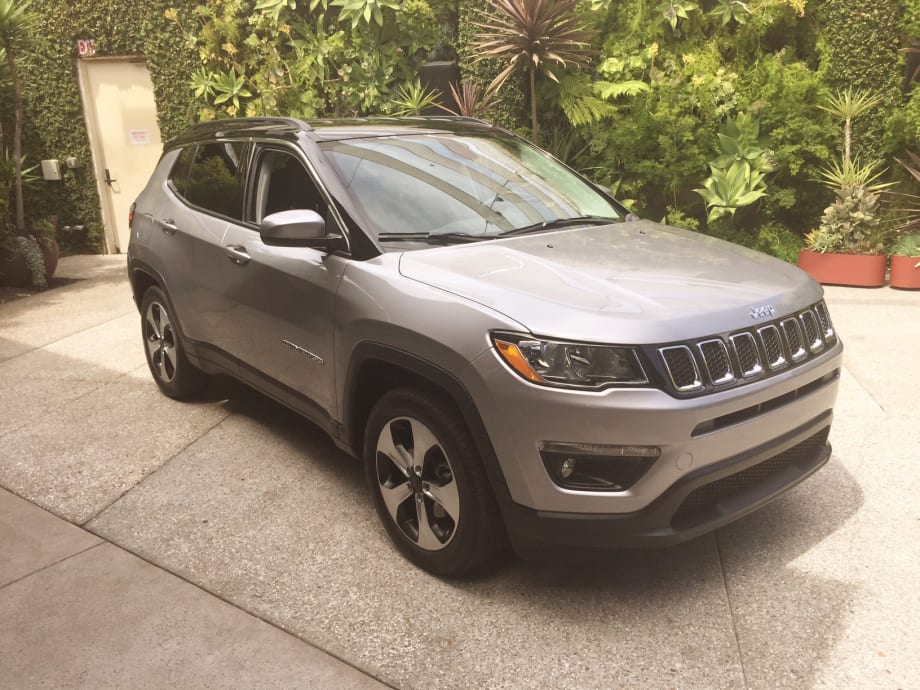
Photo by Paul Clinton.
Photo by Paul Clinton.
Fiat-Chrysler's 2017 Jeep Compass has begun arriving at U.S. dealers as the brand's bid to expand its compact SUV sales with a streamlined offering in that segment.
The 2017 Compass is essentially replacing three outgoing compact SUVs, including the Liberty (discontinued after the 2012 model year), Patriot, and first-generation Compass, according to Jeep spokespeople who attended a media launch event in Los Angeles on April 25.
FCA also hopes sedan buyers will gravitate to the 2017 Compass, which has been reworked to resemble the Grand Cherokee, said Scott Tallon, director of the Jeep brand told automotive journalists.
At least initially, allocation of the Jeep Compass to daily rental or commercial fleet users such as branded insurance fleets could be minimal, Tallon said.
"We'll balance these two, but it will be kept at a minimum," Tallon said.
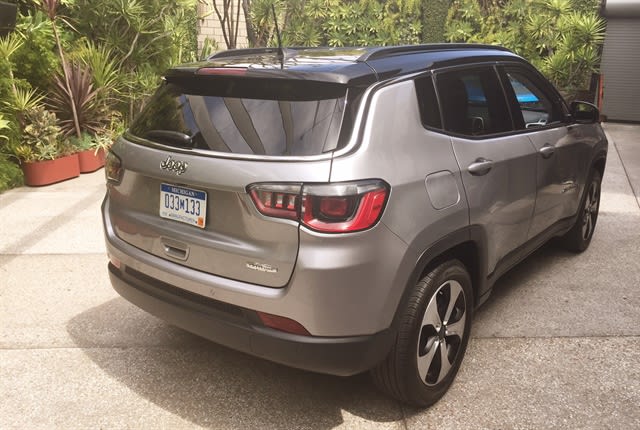
Photo by Paul Clinton.
FCA is offering the 2017 Jeep Compass in three trim levels, including Sport, Latitude, and Limited. A Compass Trailhawk variant will provide greater off-road capabilities. U.S. models will be powered by a 2.4-liter Tigershark MultiAir four-cylinder engine.
FCA will offer 16 powertrain combinations in various global markets, including a diesel engine. The company has no plans to offer a diesel Compass in the U.S., Tallon said.
The vehicle will be built at assembly plants in Mexico, China, Brazil, and India. U.S. models will be built at the Toluca Assembly Plant in Mexico.
More Operations

Here's When You Should Make an Exception to Fleet Policy
Fleet policies are designed to create consistency, but not every driver or situation fits neatly within standard rules.
Read More →
AI-Native or AI-Acquired: What Should Fleet Managers Look for in an AI Platform?
Six questions can help fleet managers look beyond AI marketing claims to evaluate integration, data access, and real-world operational performance.
Read More →
A buyer's guide to fleet management software in 2027
Buying fleet management software in 2027 means looking beyond features and price. As fleet operations, technology and expectations evolve, this guide explores what today’s fleet professionals should consider when choosing a system that can deliver value now and adapt to what comes next.
Read More →

What Will Shape the Next Era of Fleet Management?
EVs, AI, and autonomous vehicles are reshaping fleet management. Discover what’s ahead—and how fleet leaders can prepare for the next era.
Read More →
How Fleets Can Recruit and Train Veterans for Technician Roles
Here's how the technician shortage has affected uptime for fleets, and what to do about it.
Read More →
Avis Budget Group Deploys Neology Toll Management Technology Across Major Brands
Neology’s neoFleet platform will manage toll transactions and toll-authority operations for vehicles across Avis, Budget, Payless, Budget Truck and Zipcar.
Read More →
Fleet Personal-Use Charges Edge Higher in 2026
Nearly eight in 10 surveyed fleets allow personal use of company vehicles, while just over half of respondents report charging employees for the privilege.
Read More →
The Future of Fleet + What’s Changing Right Now | AF News Recap
Could developments overseas offer a preview of what’s coming for U.S. fleets? This week, we’re looking at the future of AI, autonomy, and electrification, plus Ford Pro’s new certified pre-owned program, smarter vehicle offboarding, and a new way for fleets to manage toll expenses.
Read More →
How to Handle Vehicle Offboarding
What do fleet managers need to do when a driver leaves?
Read More →
Fleet Manager’s Ultimate Playbook: Navigating the New Standard in OEM Connectivity
Rising operating costs, driver safety concerns, and unplanned downtime are putting unprecedented pressure on modern fleets. Discover how fleet managers use embedded OEM connectivity and real-time vehicle data to cut TCO, prevent downtime, and protect drivers without aftermarket telematics hardware.
Read More →