




Smith System Launches Driver Risk Management Program
Fleets have more driver data than ever, but identifying risky behavior doesn't necessarily correct it. Smith System's new Driver Risk Management program combines monitoring, training, and follow-up coaching to help fleets connect risk signals with driver intervention.

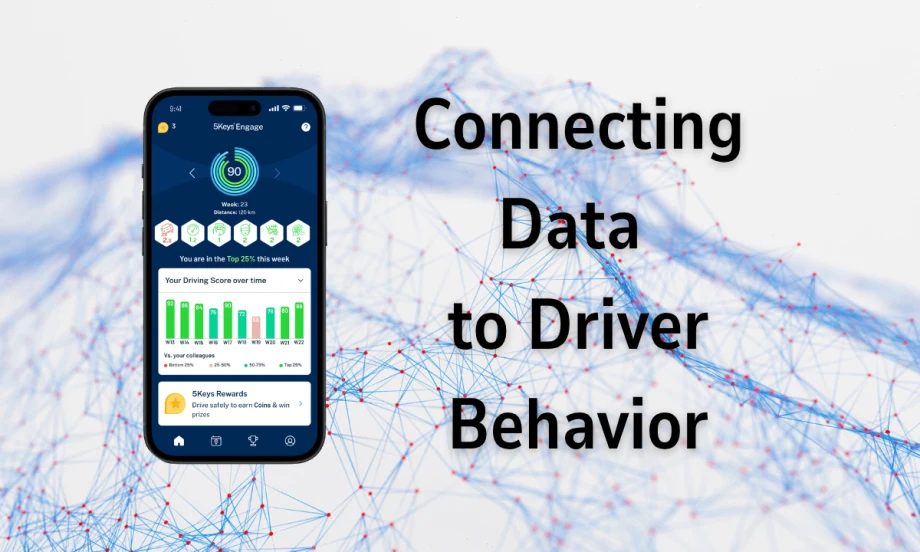
Rather than treating a driver score or safety alert as the end of the process, the Driver Risk Management program links identified risks to specific behaviors and follow-up coaching. Corrective actions can then be monitored to determine whether the behavior changed.
Automotive Fleet
Smith System has launched a Driver Risk Management (DRM) program that combines driver training, monitoring, coaching, and analytics into a continuous safety management process.
The program is built around its Smith5Keys methodology and is intended to help fleets connect risk events identified through telematics, cameras, driver scorecards, and other sources with specific coaching and training actions.
Many fleet safety technologies can provide managers with information about speeding, harsh braking, and other driving events, but Smith System's program focuses on what happens after those events are identified.
The DRM program can receive risk signals from multiple sources, including telematics events, traffic violations, and observations made during behind-the-wheel instruction. Those events are then translated into a 5Keys Score that identifies the driving behavior to address.
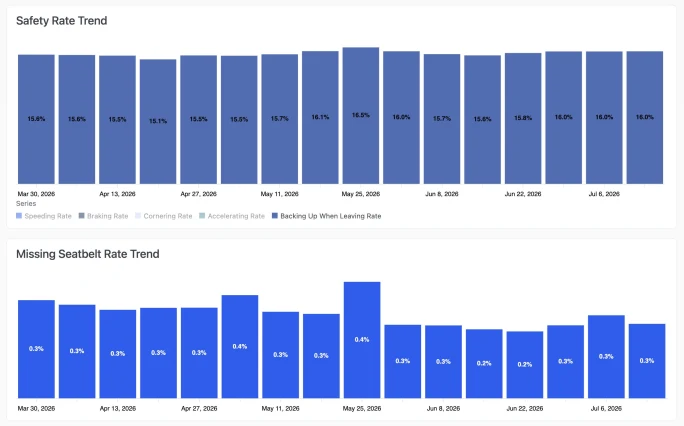
Fleet managers can use behavioral trends to identify where additional coaching may be needed and track whether targeted interventions lead to changes over time. Smith System's program incorporates data from sources including telematics events, traffic violations, and behind-the-wheel observations.
Smith System
Connecting Driver Data with Coaching
The process begins with behind-the-wheel training to establish a behavioral baseline. Monitoring then identifies potential risks, followed by targeted coaching or reinforcement.
After an intervention, the program tracks whether the identified behavior changed rather than treating the coaching event as the end of the process. Fleet managers can also use benchmarked analytics to identify areas requiring additional attention.
“Technology observes behavior. It doesn’t change it,” said Derek Dunaway, CEO of Smith System. “Devices flag events; people coach behavior.”
Smith System reported that one deployment involving more than 2,000 drivers at 22 distribution centers reduced preventable accidents by 38% over two years. Because those results come from a company-provided case study rather than an independent analysis, results may vary among fleets.
The Driver Risk Management program is now available to commercial fleets.
More Operations
Here's When You Should Make an Exception to Fleet Policy
Fleet policies are designed to create consistency, but not every driver or situation fits neatly within standard rules.
Read More →
AI-Native or AI-Acquired: What Should Fleet Managers Look for in an AI Platform?
Six questions can help fleet managers look beyond AI marketing claims to evaluate integration, data access, and real-world operational performance.
Read More →
A buyer's guide to fleet management software in 2027
Buying fleet management software in 2027 means looking beyond features and price. As fleet operations, technology and expectations evolve, this guide explores what today’s fleet professionals should consider when choosing a system that can deliver value now and adapt to what comes next.
Read More →

What Will Shape the Next Era of Fleet Management?
EVs, AI, and autonomous vehicles are reshaping fleet management. Discover what’s ahead—and how fleet leaders can prepare for the next era.
Read More →
How Fleets Can Recruit and Train Veterans for Technician Roles
Here's how the technician shortage has affected uptime for fleets, and what to do about it.
Read More →
Avis Budget Group Deploys Neology Toll Management Technology Across Major Brands
Neology’s neoFleet platform will manage toll transactions and toll-authority operations for vehicles across Avis, Budget, Payless, Budget Truck and Zipcar.
Read More →
Fleet Personal-Use Charges Edge Higher in 2026
Nearly eight in 10 surveyed fleets allow personal use of company vehicles, while just over half of respondents report charging employees for the privilege.
Read More →
The Future of Fleet + What’s Changing Right Now | AF News Recap
Could developments overseas offer a preview of what’s coming for U.S. fleets? This week, we’re looking at the future of AI, autonomy, and electrification, plus Ford Pro’s new certified pre-owned program, smarter vehicle offboarding, and a new way for fleets to manage toll expenses.
Read More →
How to Handle Vehicle Offboarding
What do fleet managers need to do when a driver leaves?
Read More →
Fleet Manager’s Ultimate Playbook: Navigating the New Standard in OEM Connectivity
Rising operating costs, driver safety concerns, and unplanned downtime are putting unprecedented pressure on modern fleets. Discover how fleet managers use embedded OEM connectivity and real-time vehicle data to cut TCO, prevent downtime, and protect drivers without aftermarket telematics hardware.
Read More →