




2017 Ford Super Duty Pickups to Use F-150 Aluminum Cabs
The change to high-volume F-150 cabins cuts costs and weight, and adds interior room for SuperCab and SuperCrew buyers.

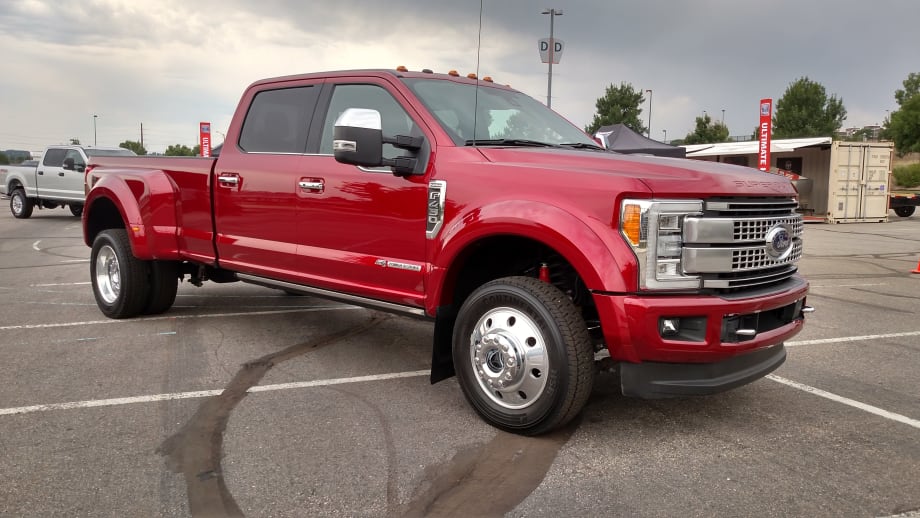
Like all new SuperDuty pickups, this F-450 SuperCrew has an aluminum cab, front fenders, hood and cargo bed. Photos by Tom Berg.
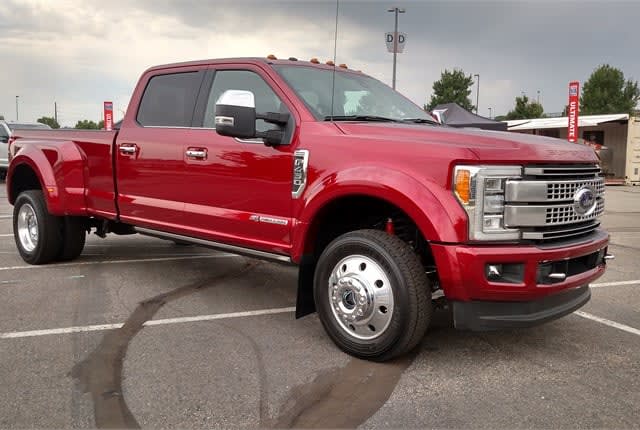
Like all new SuperDuty pickups, this F-450 SuperCrew has an aluminum cab, front fenders, hood and cargo bed. Photos by Tom Berg.
Ford's 2017 SuperDuty pickups and chassis-cab models will come with more engine power and torque and advanced electronic features, as previously reported, but they'll also share their cabins with the popular F-150 pickup – something not done for more than 20 years.
At a launch event in Denver on Tuesday, Ford executives said that combining the cabs yields economies of scale, because the F-150 is one of the most popular vehicles of any kind in the United States and its three cab types are produced in great volume.
The change also provides more interior room for Super Duty models, because F-150 cabs were enlarged and updated with aluminum construction several years ago. By adopting those cabs, the ’17-model F-250 through 550 SuperCabs and SuperCrews will be several inches longer than now. Also like the F-150, cargo beds, front fenders and hoods will also be aluminum.
Since the mid 1990s, SuperDuty trucks have had bodies separate from the F-150, executives explained. At first SuperDuties kept the old cabs originally used in the 1970s; then about seven years later they got new, slightly larger cabs – in steel as they’d always been – and used those through the current 2016 model year.
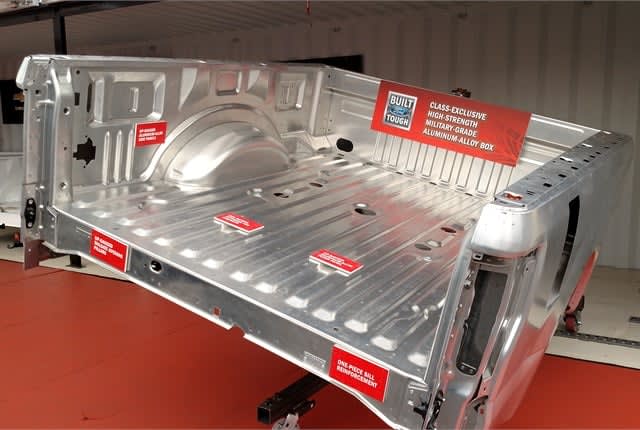
Aluminum cargo bed is stronger and lighter than steel, Ford says. Photo by Tom Berg.
Going to aluminum saves as much as 750 pounds for the largest F-150, but weight savings for a SuperDuty will be 350 pounds at most compared to current models, executives said. Light-weighting could’ve been greater, but engineers added beef to the new SuperDuty frames, which are made of mild and high-strength steel.
Among other changes, each of the heavier frames got at least three extra crossmembers, and with fully boxed main rails a SuperDuty frame is now 24 times stiffer.
The Ford event continues on Wednesday, and a more complete report on features and driving impressions will appear later on Truckinginfo.com.
More Operations

Avis Budget Group Deploys Neology Toll Management Technology Across Major Brands
Neology’s neoFleet platform will manage toll transactions and toll-authority operations for vehicles across Avis, Budget, Payless, Budget Truck and Zipcar.
Read More →
Fleet Personal-Use Charges Edge Higher in 2026
Nearly eight in 10 surveyed fleets allow personal use of company vehicles, while just over half of respondents report charging employees for the privilege.
Read More →
The Future of Fleet + What’s Changing Right Now | AF News Recap
Could developments overseas offer a preview of what’s coming for U.S. fleets? This week, we’re looking at the future of AI, autonomy, and electrification, plus Ford Pro’s new certified pre-owned program, smarter vehicle offboarding, and a new way for fleets to manage toll expenses.
Read More →
How to Handle Vehicle Offboarding
What do fleet managers need to do when a driver leaves?
Read More →
Fleet Manager’s Ultimate Playbook: Navigating the New Standard in OEM Connectivity
Rising operating costs, driver safety concerns, and unplanned downtime are putting unprecedented pressure on modern fleets. Discover how fleet managers use embedded OEM connectivity and real-time vehicle data to cut TCO, prevent downtime, and protect drivers without aftermarket telematics hardware.
Read More →
U.S. Bank Adds Verra Mobility Toll Management to Voyager Fleet Platform
The integration allows U.S. Bank Voyager fleet customers to manage toll payments and violations alongside fuel, EV charging and maintenance expenses.
Read More →
ADAS Prevents Crashes. But Repairs Cost More | AF News Recap
ADAS-equipped vehicles may crash less often, but they can cost more when they do. This week, we’re breaking down what that tradeoff means for fleets, plus Subaru’s first Forester Wilderness Hybrid, Nissan’s new e-POWER Rogue, and why Calstart has become Catalyst Mobility.
Read More →
Moventum Fleet Management Names Mark Iorillo Head of Sales
Iorillo brings nearly 20 years of fleet management and sales experience to the role, including previous positions at Element Fleet Management, CEI, Donlen and Ryder.
Read More →
Fleet Has a Talent Pipeline Problem. What Comes Next? | AF News Recap
Where will fleet’s next generation of leaders come from? This week, we’re looking at the industry’s talent pipeline, what certification can add to a fleet career, how to build an award-worthy track record, and the return of Automotive Fleet’s Personal Use Survey.
Read More →
Smith System Launches Driver Risk Management Program
Fleets have more driver data than ever, but identifying risky behavior doesn't necessarily correct it. Smith System's new Driver Risk Management program combines monitoring, training, and follow-up coaching to help fleets connect risk signals with driver intervention.
Read More →