




Related: 2017 Chrysler Pacifica Hybrid Provides 530 Miles of Range
2017 Chrysler Pacifica Hybrid Retails for $34,495
The 2017 Chrysler Pacifica Hybrid will retail for at least $34,495 after the federal $7,500 tax credit when it arrives in dealer showrooms by April 1, FCA has announced.
by Staff
January 10, 2017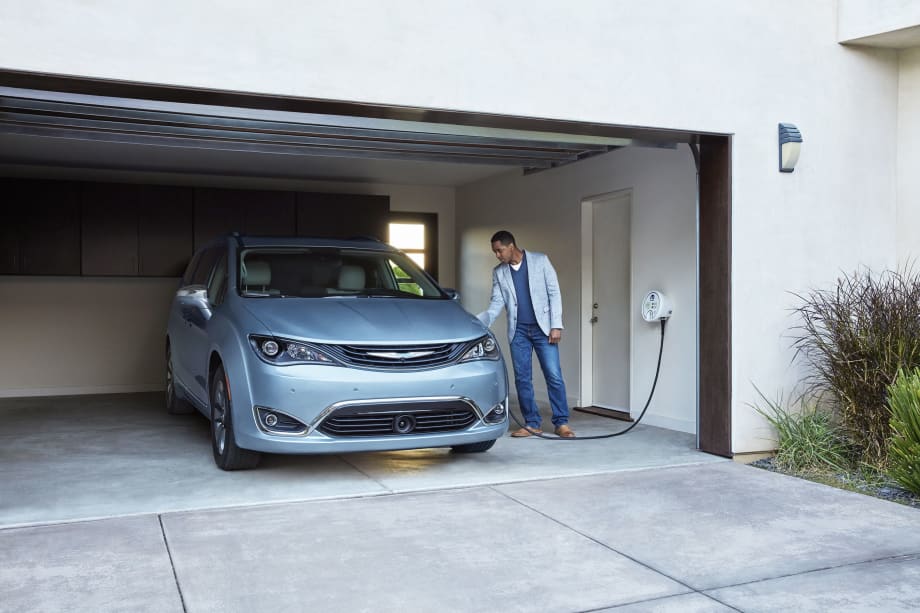
Photo courtesy of FCA US.
1 min to read
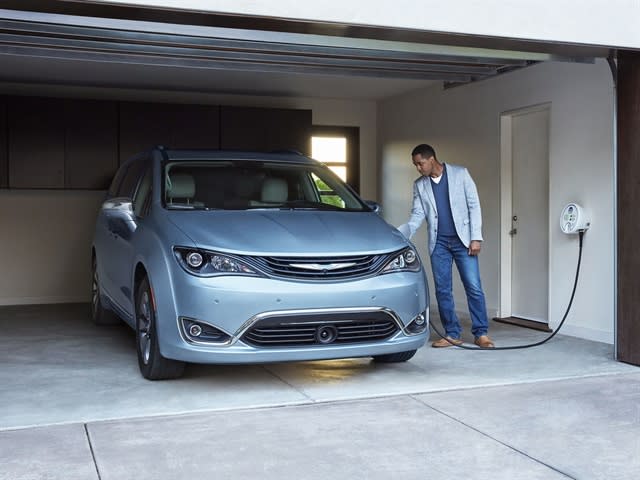
Photo courtesy of FCA US.
The 2017 Chrysler Pacifica Hybrid will retail for at least $34,495 after the federal $7,500 tax credit when it arrives in dealer showrooms by April 1, FCA has announced.
The Pacifica Hybrid significantly increases fuel efficiency over the outgoing gasoline-powered Town & Country minivan with rating by the U.S. Environmental Protection Agency of 84 miles per gallon of equivalent fuel economy.
The vehicle should significantly reduce greenhouse gas emissions. According to FCA US engineers, it could account for a reduction of 21 metric tons of carbon dioxide equivalent emissions compared to similar vehicles.
The Pacifica Hybrid could also deliver a 31% reduction in a metric known as Global Warming Potential, which considers the environmental impact of fuel production and delivery as well as the implications of the vehicle's own fuel consumption, according to FCA.
More Green Fleet

Merchants Fleet Reports 290M EV Miles as Fleets Navigate Changing Electrification Market
From millions in operating savings to hundreds of millions of EV miles, Merchants Fleet’s latest report reveals what’s working and what’s changing in fleet electrification.
Read More →
The EV Breakdown Nobody's Talking About: Why Most Electric Vehicle Roadside Calls Aren't Mechanical Failures
Here's why EV breakdowns are widely misunderstood.
Read More →
ChargePoint Now Available in Energy Pass
ChargePoint and additional planned charging network integrations were added to GM's Energy Pass.
Read More →

First Look: Slate Auto's Electric Fleet Pickup
Could an affordable, modular EV pickup make electrification more practical for fleets?
Read More →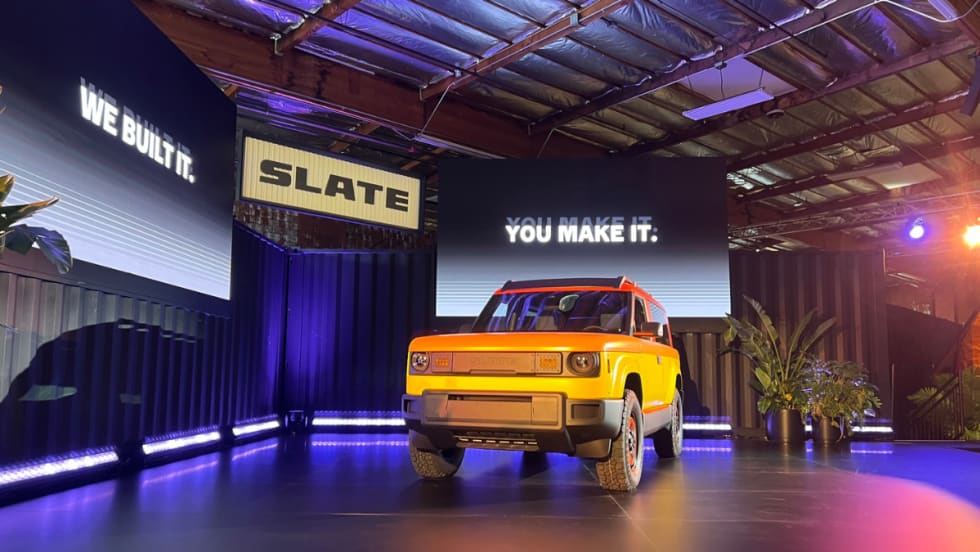
Slate Debuts Colorful, Unique EV Models
A recent media and client event, studded with electric vehicles dressed up on platforms, planted a new position for the manufacturer in the wider EV market. Fleets will find cost-saving advantages.
Read More →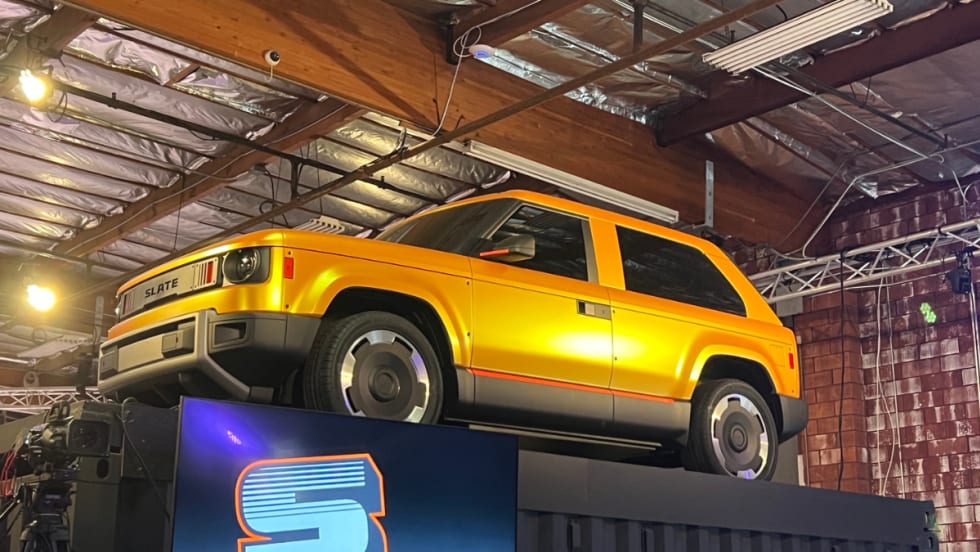
Slate Electric SUV, Pickup Switchable Model Aims For Light-Duty Fleets
Everything about this EV is counterintuitive and understated, making it stand out from the crowd.
Read More →
Inspiration Mobility Acquires Key Electrada Assets
Inspiration Mobility Group has acquired select assets of Electrada, adding the fleet electrification provider's team, technology, and charging infrastructure development capabilities to its energy management business.
Read More →
Sponsored•June 1, 2026
Turning Connected Vehicle Data Into Decisions That Matter
Fleet leaders have more data than ever, but turning that data into clear, actionable decisions remains a challenge. This white paper shows how leading organizations are using connected vehicle data to improve safety, reduce costs, and optimize fleet performance. Learn how to turn insight into action across your fleet.
Read More →
Sponsored•May 29, 2026
Are You Tracking Your Fleet's True Total Cost of Ownership?
Bobit Business Media surveyed 190 fleet professionals and found that while most fleets are tracking costs, fragmented systems and data gaps are keeping true TCO visibility out of reach. With rising pressure to control spend in an increasingly volatile environment, the gap between what fleets think they know and what the data actually shows is wider than you might expect. See how your peers are managing costs today and where the industry still has room to improve.
Read More →