




2013 Chevrolet Volt Boosts EV Range to 38 Miles
DETROIT – General Motors has boosted the electric charge range, and consequently the miles-per-gallon equivalent (MPGe) on the 2013-MY Chevrolet Volt. The new charge range is 38 miles, increasing MPGe from 94 to 98, and the total range for the vehicle to 380 miles.
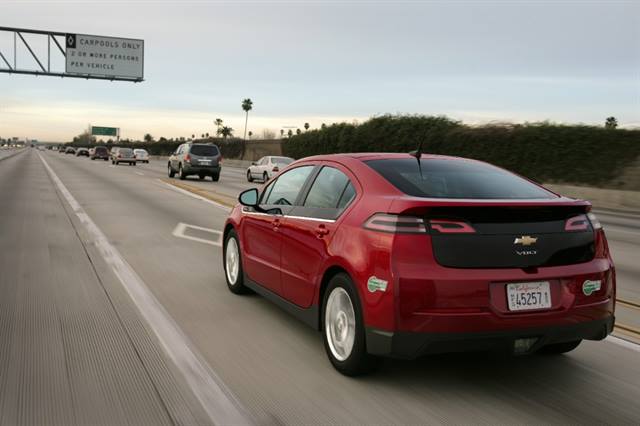
DETROIT – General Motors has boosted the electric charge range, and consequently the miles-per-gallon equivalent (MPGe) on the 2013-MY Chevrolet Volt. The new charge range is 38 miles, increasing MPGe from 94 to 98, and the total range for the vehicle to 380 miles.
The automaker increased the Volt’s battery’s storage capacity from 16 kWh to 16.5 kWh and the state-of-charge window from 10.3 kWh to 10.8 kWh for the 2013 model.
The charge time for the 2013 model-year Volt will be longer than the 2012 model, due to the greater EV-only mode range, with a full charge taking 4.25 hours on a 240V charging system and 10.5 hours on a 120V system.
GM said its engineers made changes to the material composition of the battery cell’s chemistry. The battery still uses manganese spinel chemistry, but the automaker changed the amounts used to get better performance.
“The best way to explain what we’ve done at the cell level is to compare it to a cake batter recipe. Sometimes if you use more sugar and less vanilla you get a better tasting cake. We’ve done some work at the cell level to modify the ‘ingredients’ to make a better end result,” said Bill Wallace, GM director of Global Battery Systems Engineering.
Vehicles using the improved battery cells have accumulated 150,000 test miles to date, GM stated. The tests also show less battery degradation and the ability to endure temperatures as low as -30 C.
More Green Fleet

EV Charging Use Is Outpacing Infrastructure Growth
ChargePoint’s 2026 Charging Forward Report points to rising charger use, higher-powered charging, commercial vehicle electrification, and energy-management technology. Here’s what fleets should know.
Read More →
Merchants Fleet Reports 290M EV Miles as Fleets Navigate Changing Electrification Market
From millions in operating savings to hundreds of millions of EV miles, Merchants Fleet’s latest report reveals what’s working and what’s changing in fleet electrification.
Read More →
The EV Breakdown Nobody's Talking About: Why Most Electric Vehicle Roadside Calls Aren't Mechanical Failures
Here's why EV breakdowns are widely misunderstood.
Read More →
ChargePoint Now Available in Energy Pass
ChargePoint and additional planned charging network integrations were added to GM's Energy Pass.
Read More →

First Look: Slate Auto's Electric Fleet Pickup
Could an affordable, modular EV pickup make electrification more practical for fleets?
Read More →
Slate Debuts Colorful, Unique EV Models
A recent media and client event, studded with electric vehicles dressed up on platforms, planted a new position for the manufacturer in the wider EV market. Fleets will find cost-saving advantages.
Read More →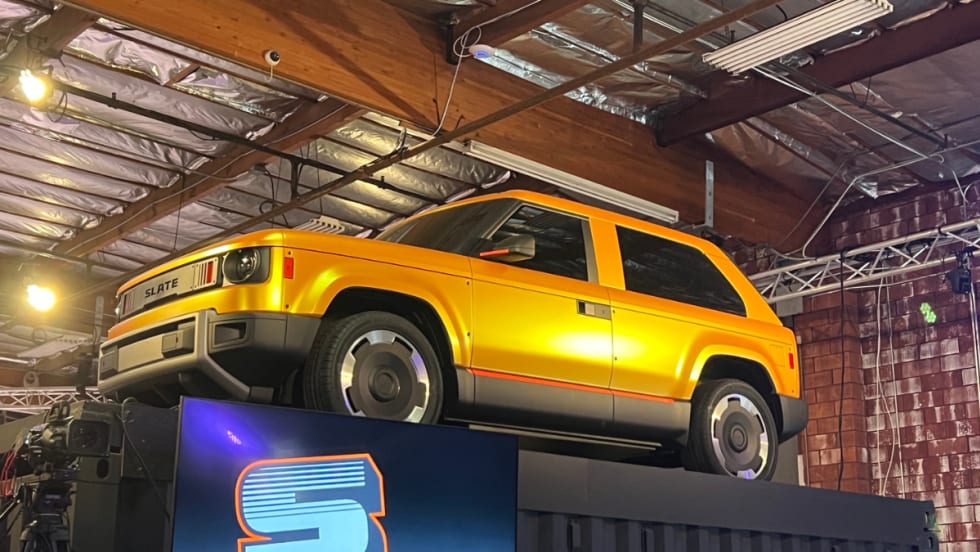
Slate Electric SUV, Pickup Switchable Model Aims For Light-Duty Fleets
Everything about this EV is counterintuitive and understated, making it stand out from the crowd.
Read More →
Inspiration Mobility Acquires Key Electrada Assets
Inspiration Mobility Group has acquired select assets of Electrada, adding the fleet electrification provider's team, technology, and charging infrastructure development capabilities to its energy management business.
Read More →
Turning Connected Vehicle Data Into Decisions That Matter
Fleet leaders have more data than ever, but turning that data into clear, actionable decisions remains a challenge. This white paper shows how leading organizations are using connected vehicle data to improve safety, reduce costs, and optimize fleet performance. Learn how to turn insight into action across your fleet.
Read More →