




2012-MY Buick Verano Starts at MSRP of $23,470
DETROIT - The Verano is Buick’s third all-new model in the past three years. It will feature a 2.4L four-cylinder engine mated to a six-speed automatic transmission.
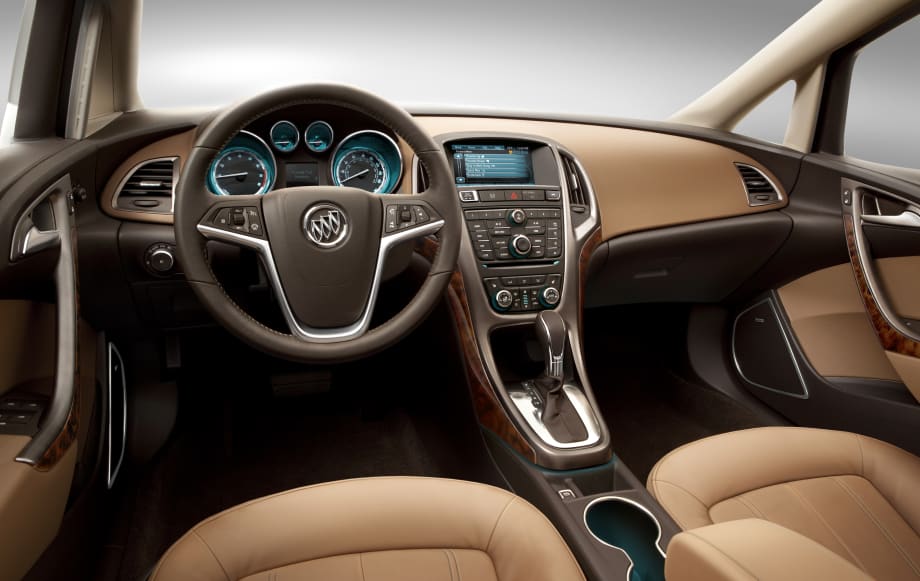
The 2012-MY Buick Verano's interior features noise-canceling technologies, leatherette as standard, and IntelliLink as standard.
The 2012-MY Buick Verano's interior features noise-canceling technologies, leatherette as standard, and IntelliLink as standard.
DETROIT – Buick announced its 2012 Verano will have a starting retail price of $23,470. The Verano is Buick’s third all-new model in the past three years, according to the division.
Buick is offering the car in three models. The top model will carry a suggested retail price of $26,850, including destination charge. All models are powered by a 2.4L four-cylinder engine mated to a six-speed automatic transmission, which delivers 180 hp at 6,700 rpm with 171 lb.-ft. of torque at 4,900 rpm.
Buick said the Verano’s exterior is distinguished by “sleek lines,” blue translucent projector beam headlamps and standard fog lamps. Wheels will include 18-inch multi-spoke, forged alloy, silver-finish wheels, with a premium 18-inch split spoke wheel design available on certain models.
The new Verano features Buick’s acoustic refinement and soft-touch materials. The up-level models for the Verano feature the same leather materials used in the LaCrosse. A dozen noise-reducing and noise-cancelling technologies are used in more than 50 areas of Verano’s body structure for increased cabin isolation and quietness, according to Buick. The Verano features seat heaters that automatically start when the temperature drops below 45F when using the remote start as do the rear defogger (on all models) and heated outside mirrors.
Standard interior options include leatherette seating, high-resolution 7-inch diagonal LED backlit color-touch radio display with IntelliLink technology, and 10 standard airbags. Other standard features include automatic climate control, remote start, power windows, and steering wheel radio controls.
The all-new Buick IntelliLink system is standard. It uses Bluetooth or USB to connect a driver’s smartphone to the touch-screen display radio. IntelliLink allows smartphone control via voice activation and steering wheel-mounted controls. Other options include streaming stero audio from the phone through services such as Pandora and Stitcher SmartRadio. OnStar is standard for six months on all Verano models.
More Operations
Here's When You Should Make an Exception to Fleet Policy
Fleet policies are designed to create consistency, but not every driver or situation fits neatly within standard rules.
Read More →
AI-Native or AI-Acquired: What Should Fleet Managers Look for in an AI Platform?
Six questions can help fleet managers look beyond AI marketing claims to evaluate integration, data access, and real-world operational performance.
Read More →
A buyer's guide to fleet management software in 2027
Buying fleet management software in 2027 means looking beyond features and price. As fleet operations, technology and expectations evolve, this guide explores what today’s fleet professionals should consider when choosing a system that can deliver value now and adapt to what comes next.
Read More →

What Will Shape the Next Era of Fleet Management?
EVs, AI, and autonomous vehicles are reshaping fleet management. Discover what’s ahead—and how fleet leaders can prepare for the next era.
Read More →
How Fleets Can Recruit and Train Veterans for Technician Roles
Here's how the technician shortage has affected uptime for fleets, and what to do about it.
Read More →
Avis Budget Group Deploys Neology Toll Management Technology Across Major Brands
Neology’s neoFleet platform will manage toll transactions and toll-authority operations for vehicles across Avis, Budget, Payless, Budget Truck and Zipcar.
Read More →
Fleet Personal-Use Charges Edge Higher in 2026
Nearly eight in 10 surveyed fleets allow personal use of company vehicles, while just over half of respondents report charging employees for the privilege.
Read More →
The Future of Fleet + What’s Changing Right Now | AF News Recap
Could developments overseas offer a preview of what’s coming for U.S. fleets? This week, we’re looking at the future of AI, autonomy, and electrification, plus Ford Pro’s new certified pre-owned program, smarter vehicle offboarding, and a new way for fleets to manage toll expenses.
Read More →
How to Handle Vehicle Offboarding
What do fleet managers need to do when a driver leaves?
Read More →
Fleet Manager’s Ultimate Playbook: Navigating the New Standard in OEM Connectivity
Rising operating costs, driver safety concerns, and unplanned downtime are putting unprecedented pressure on modern fleets. Discover how fleet managers use embedded OEM connectivity and real-time vehicle data to cut TCO, prevent downtime, and protect drivers without aftermarket telematics hardware.
Read More →