




2012 Green Fleet Conference: FedEx’s Jackson Discusses Creating a Sustainable Fleet While Balancing the Bottom Line
SCHAUMBURG, IL – The morning keynote on Wednesday during the 2012 Green Fleet Conference featured Mitch Jackson, Environmental Affairs & Sustainability FedEx Corp., who provided an overview of the company’s approach to sustainability in its fleet and overall operations.

FedEx's Mitch Jackson discussed the company's approach to balancing sustanability and the bottom line at the Wednesday morning keynote during the 2012 Green Fleet Conference.
SCHAUMBURG, IL – The morning keynote on Wednesday during the 2012 Green Fleet Conference featured Mitch Jackson, Environmental Affairs & Sustainability FedEx Corp., who provided an overview of the company’s approach to sustainability in its fleet and overall operations. LeasePlan USA sponsored the keynote, and the company’s Chris Bush, vice president of marketing, introduced FedEx’s Jackson.
Jackson started with a 30,000-ft. view of how FedEx approaches sustainability efforts. He said the focus at FedEx is to make their business and the world more sustainable and efficient. The three key areas the company focuses on are practical environmentalism, improving global access to goods and services, and a focus on tangible, long-term projects that benefit the environment and society rather than programs that provide a one-time benefit.
The company’s overall program is called EarthSmart, which focuses on sustainability in range of areas, from its fleet to a company-wide recycling program and LEED certification for its facilities.
In its fleet, Jackson said the company has focused on a few specific areas in order to meet its goal of reducing its fuel consumption by 20% from its 2005 baseline. Currently, the company has improved fuel economy by 16.6% and is on track to meet its 2020 goal. To start, FedEx has incorporated a small but growing number of hybrid and all-electric vehicles into its fleet. The company has 364 hybrid-electric vehicles and 130 all-electric vehicles in service. For these vehicles, the company said it has seen 70 to 80% operational savings on EVs but that the up-front cost for these vehicles is still high. For its hybrids, FedEx has seen a 42% improvement in hybrid fuel economy but a cost premium.
Next, FedEx is replacing its diesel trucks with clean diesel versions that are between 70% and 100% more fuel-efficient. By late 2013, the company expects to have 11,000 of these clean diesel vehicles in service, which is approximately 35% of its U.S. pick-up and delivery fleet. Lastly, FedEx has a routing and dispatch program in place called ROADS, which is designed to make its couriers more productive in addition to reducing fuel use.
Another area the company has focused on is leading industry-wide efforts to put regulations in place that help improve efficiencies. Jackson gave an example of the commercial vehicle fuel-economy regulations that are to take effect in 2014.
“DOT put out standards in 2010 on a ton-mile basis for improving fuel economy for commercial vehicles,” Jackson said. “That will be a win-win for everybody. It was that aspect of leadership. We pushed it, but it took the collaboration of other companies.”
Jackson also discussed the company’s approach to training its drivers, for example as part of its Eco-Drive program in the company’s Asia-Pacific region. The training focuses on helping drivers operate their vehicles more efficiently by avoiding sudden stops and fast acceleration. The company’s delivery trucks currently have devices installed that auto-shut off the engine to prevent idling. In addition, by policy, FedEx’s drivers can’t leave a truck idling. They have to leave the vehicle and secure it before making deliveries.
Although FedEx has focused on hybrid and electric technologies for its fleet, Jackson pointed out that a strategy that incorporates many different solutions is the way to go.
“We’ve been looking diligently to reduce our reliance on petroleum fuel,” Jackson said. “There is no single solution going forward for transportation. We have to quit being against everything that we’re not specifically for.”
Jackson concluded the session with a question and answer session with audience members.
By Greg Basich
More Green Fleet

Inspiration Mobility Acquires Key Electrada Assets
Inspiration Mobility Group has acquired select assets of Electrada, adding the fleet electrification provider's team, technology, and charging infrastructure development capabilities to its energy management business.
Read More →
Turning Connected Vehicle Data Into Decisions That Matter
Fleet leaders have more data than ever, but turning that data into clear, actionable decisions remains a challenge. This white paper shows how leading organizations are using connected vehicle data to improve safety, reduce costs, and optimize fleet performance. Learn how to turn insight into action across your fleet.
Read More →
Are You Tracking Your Fleet's True Total Cost of Ownership?
Bobit Business Media surveyed 190 fleet professionals and found that while most fleets are tracking costs, fragmented systems and data gaps are keeping true TCO visibility out of reach. With rising pressure to control spend in an increasingly volatile environment, the gap between what fleets think they know and what the data actually shows is wider than you might expect. See how your peers are managing costs today and where the industry still has room to improve.
Read More →
Hybrids: Electrification Without the Challenges
For fleet managers, fuel is one of the biggest line items in the budget — and it's one hybrids can shrink without changing how your people work. Download the eBook to see the numbers, understand the technology, and get a step-by-step guide to making the switch.
Read More →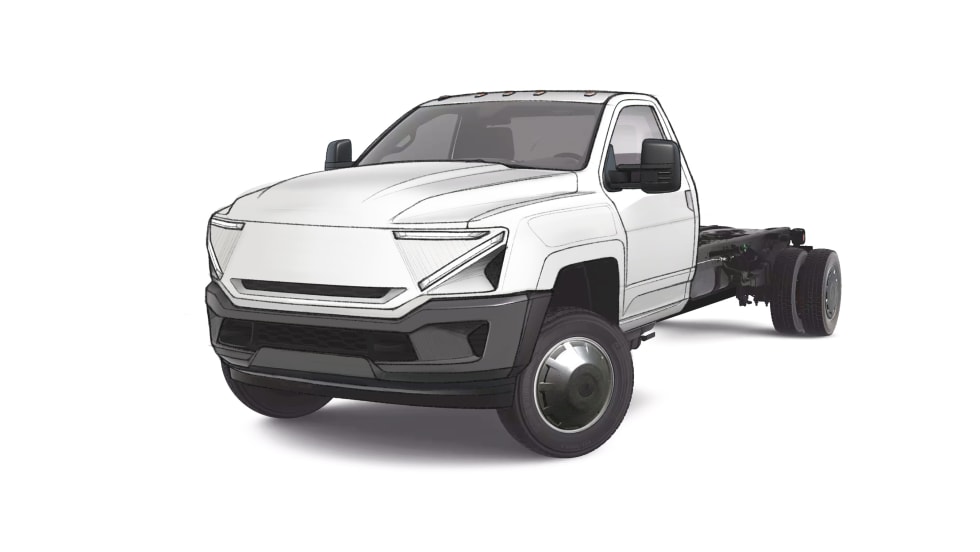
Startup ZMD Motors Developing Electric Conversion for Ram 5500 Work Trucks
Detroit-based company says it has begun early development of a system to convert internal combustion Ram 5500 chassis-cab trucks to electric power.
Read More →
U.S. EV Adoption Is Climbing, but Commercial and Passenger Markets Diverge
New industry group data revealed that light-duty electric vehicle sales are hitting record market share and volumes, while commercial EV volume dipped. What’s driving the fluctuations?
Read More →
How To Upfit Electric Work Trucks and Vans
The biggest challenge lies in balancing additional equipment and accessories with EV battery capacity and range.
Read More →
How Fleets Can Adjust Approaches To EV Adoption
With the expiration of federal incentives, EV success now hinges less on government policy and more on discounts, battery tech progress, increased range, and broader infrastructure.
Read More →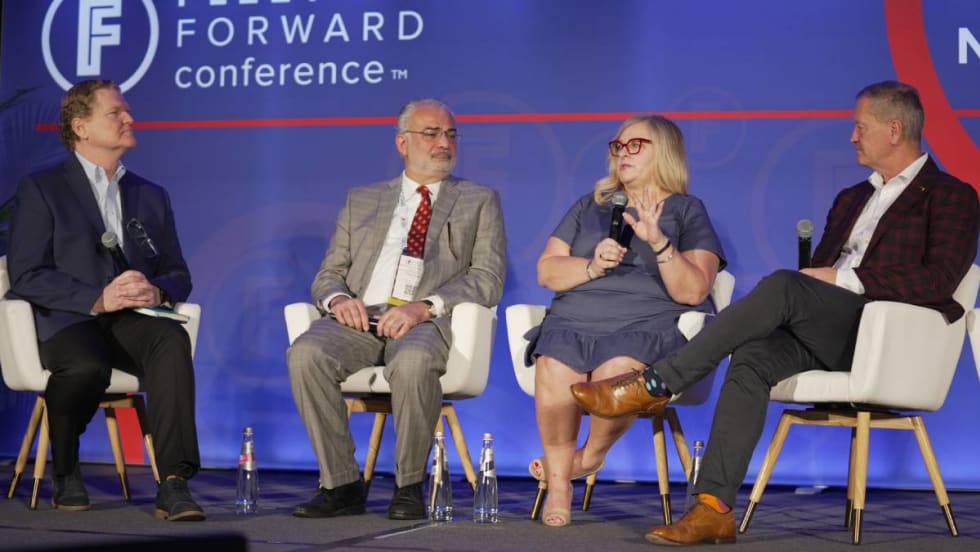
Despite World Troubles, Forward Thinking Guides Fleets
Fleet operators shared their challenges during an annual conference that embraced the latest advances across all aspects of running private- and public-sector vehicles.
Read More →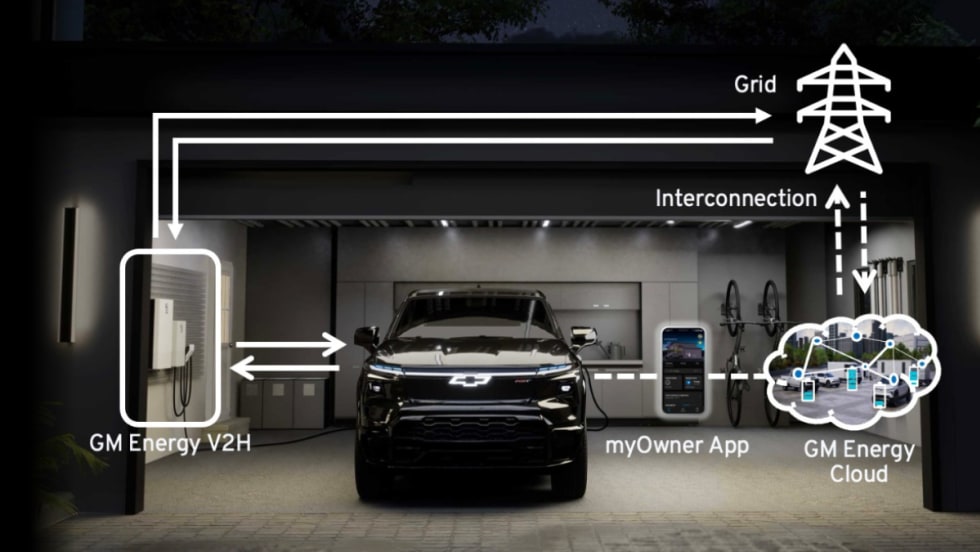
GM Energy Details Partnerships and Targets for Public Charging Build-Out
EVgo, Pilot, ChargePoint and IONNA named; goal is 35k GM-invested DC stalls by 2030, with customer-experience upgrades at sites.
Read More →