




2011 Infiniti QX56: Priced
FRANKLIN, TN - Infiniti announced pricing for the 2011 Infiniti QX Luxury Sport/Utility Vehicle. The 2011 QX is scheduled to go on sale at Infiniti retailers nationwide in early summer 2010.
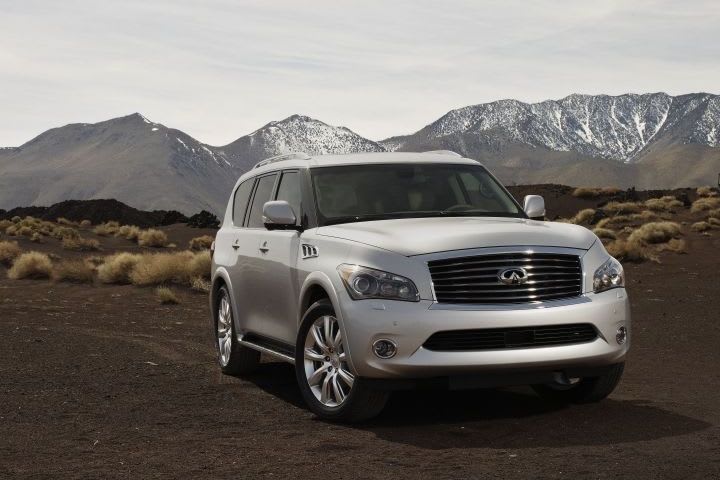
2011 Infiniti QX
FRANKLIN, TN - In conjunction with the world debut of the all-new 2011 Infiniti QX Luxury Sport Utility Vehicle at the New York International Auto Show, Infiniti announced pricing for the vehicle - which remains unchanged from the 2010 models. The 2011 QX is scheduled to go on sale at Infiniti retailers nationwide in early summer 2010.
Prices for the 2011 Infiniti QX start at a Manufacturer's Suggested Retail Price (MSRP)* of $56,700 USD for the QX56 2WD and $59,800 USD for the QX56 4WD. These prices are the same as the previous generation QX, despite added content and features including:
A new 400-horsepower 5.6-liter V8 engine with Infiniti's VVEL (Variable Valve Event & Lift) and Direct Injection Gasoline (DIG) technologies - producing 25-percent more power and more than a 10-percent increase in fuel efficiency versus the previous design
A new standard 7-speed automatic transmission with manual shift mode and Downshift Rev Matching (replaces the previous 5-speed automatic)
Standard Around View Monitor, upgraded Bose Premium Audio System and Automatic Temperature Control System
Other standard equipment includes 20-inch aluminum-alloy wheels, power sliding moon-roof, power rear lift-gate, leather-appointed seating, power folding and reclining 3rd row seats, Bluetooth Hands-free Phone System, Streaming Audio via Bluetooth, Infiniti Hard Drive Navigation System with XM NavTraffic with Real-Time Traffic Information, XM NavWeather with Real-Time Weather and 3-day forecast (XM subscription required, sold separately) and Zagat Survey Restaurant Guide.

In addition, the new QX offers an array of available advanced technology, including a new Hydraulic Body Motion Control system, a Theater Package with dual 7-inch monitors, Advanced Climate Control System, Lane Departure Warning (LDW), Lane Departure Prevention (LDP) and new Blind Spot Warning (BSW).
"This is a phenomenal vehicle at a phenomenal price point, especially given the enhanced styling inside and out and the impressive suite of new and improved standard features," said Ben Poore, vice president, Infiniti Business Unit. "The new QX is designed to offer a true five-star travel experience, while providing the benefits of available eight-passenger seating capacity, versatile cargo space and 8,500-lb. towing capacity. It sets a new standard in full-size luxury SUVs."
More Operations

Fleet Has a Talent Pipeline Problem. What Comes Next? | AF News Recap
Where will fleet’s next generation of leaders come from? This week, we’re looking at the industry’s talent pipeline, what certification can add to a fleet career, how to build an award-worthy track record, and the return of Automotive Fleet’s Personal Use Survey.
Read More →
Smith System Launches Driver Risk Management Program
Fleets have more driver data than ever, but identifying risky behavior doesn't necessarily correct it. Smith System's new Driver Risk Management program combines monitoring, training, and follow-up coaching to help fleets connect risk signals with driver intervention.
Read More →
Automotive Fleet Opens 2026 Personal Use Survey for Commercial Fleet Managers
Less than two weeks left! Commercial and corporate fleet managers are invited to share how their organizations handle company vehicle personal-use policies, charges, and driver eligibility.
Read More →
From AI Prompts to AI-Generated Safety Songs | AF News Recap
Can better prompts make AI more useful for fleet managers? This week, we’re breaking down smarter fleet analysis, an AI-assisted experiment that turned safety training into music, and what happened to fuel prices in August.
Read More →
How to Write Better AI Prompts for Fleet Analysis
Include these six elements in your fleet prompts to generate more relevant analysis and accurate answers.
Read More →
Fleet Meets: Eric Kilgore
This edition of the Fleet Meets series features one of the industry's best leaders driving multi-market and national operations.
Read More →
Why Reactive Fleet Management Is Becoming Too Expensive to Sustain
Research highlights a growing need for proactive management strategies to address rising costs in fleet operations effectively.
Read More →
What Your Fleet KPIs Aren’t Telling You
Tracking fleet metrics is only useful when the data leads to better decisions. This guide helps fleet leaders assess cost, utilization, and downtime more accurately, identify performance gaps, and prioritize the actions that can improve operational results.
Read More →
Hidden in Plain Sight: Fleet Compliance Risks
Fleet compliance isn't just about having policies — it's about consistently enforcing them. This practical guide reveals six hidden compliance risks common in public sector and shared fleet operations and outlines proven strategies to improve visibility, accountability, and audit readiness
Read More →
Turning Fleet Payment Data into Executive Insights
Does data alone drive results in operations?
Read More →