




2011 Chrysler 300 Improves on Fuel Economy, Safety
AUBURN HILLS, MI – At the North American International Auto Show Chrysler introduced the new models in its 300 Sedan line, which offers a number of new features designed to enhance performance, safety, comfort, and driver and passenger connectivity.
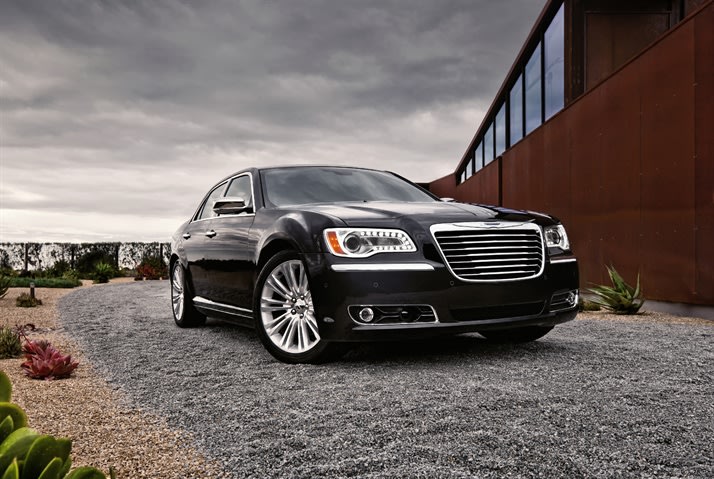
Chrysler improved vehicle aerodynamics and visibility by “raking” the windshield back by 3 inches and using rolled-framed doors with thinner pillars to increase visibility by 15 percent.
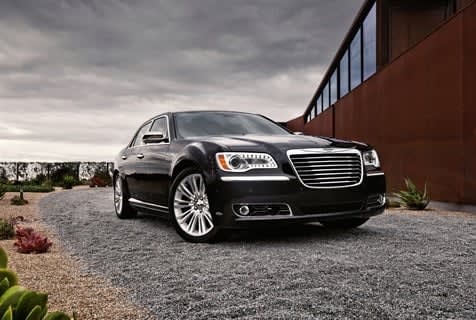
AUBURN HILLS, MI – At the North American International Auto Show Chrysler introduced the new 2011 models in its 300 Sedan line, which offers a number of new features designed to enhance performance, safety, comfort, and driver and passenger connectivity. This overview covers these upgraded features.
Performance
The 2011 Chrysler 300 and 300 Limited models feature the automaker’s new 3.6L Pentastar V-6 engine, which provides up to 8-percent better fuel economy than the previous V-6 and achieves EPA ratings of 18 city/27 highway. The change to the new V-6 from Chrysler’s earlier 2.7L and 3.5L engines brings horsepower up to 292 and torque to 260 lb.-ft., an improvement of 16-percent more horsepower and 10 lb.-ft. of torque over the 3.5L.
For the Chrysler 300C, the 5.7L HEMI V-8 produces 363 horsepower and up to 25 mpg highway. This engine also offers Chrysler’s Fuel Saver Technology, which transitions between four-cylinder and V-8 modes based on power demands. When running in four-cylinder mode, the engine is 20-percent more fuel efficient.
The 2011 Chrysler 300C AWD model features an active transfer case and front-axle disconnect system, which improves fuel economy by up to 5 percent, according to Chrysler.

Exterior
When it comes to exterior styling, Chrysler improved vehicle aerodynamics and visibility by “raking” the windshield back by 3 inches and using rolled-framed doors with thinner pillars to increase visibility by 15 percent. The 300 features an integrated deck-lid lip spoiler, jewel-style rear taillamps, and two fascia-mounted oval dual exhaust tips. In addition, the 300 uses Chrysler Group’s second-generation E-segment architecture with redesigned front- and rear-suspension geometry, and new suspension hardware, designed to deliver improved handling.
The new Chrysler designed its new 300C AWD with a 0.5-inch (13 mm) tighter tire-to-fender fitment, a 0.15-inch (4 mm) lowered overall ride height, and larger 19-inch wheels with wider P235/55R19 all-season performance tires.
Interior
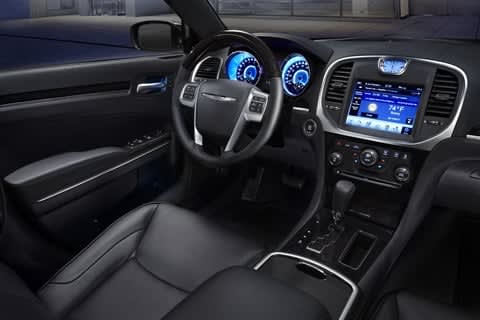
The Chrysler 300’s interior comes with all-new seating that feature serpentine (S-shaped) spring suspension, front-seat backs with four-way lumbar system that actuates up/down and fore/aft, and variable density foams applied in the lower seat, seat back, and bolsters for adjustable comfort. Other interior upgrades include optional heated and ventilated Nappa leather seats.
The 300 and 300 Limited models also offer Chrysler’s new Uconnect Touch, providing touch-screen control, on an 8.4-inch display, of features such as navigation by Garmin, climate controls, and Sirius Travel Link for real-time weather and fuel price updates.
Safety
In the safety and security categories, the 300 offers more than 70 features, according to the automaker. Chrysler’s SafetyTec Group is available on the 2011 Chrysler 300 Limited, 300C and 300C AWD models.
Standard safety features:
Keyless Enter-N-Go
Electronic stability control (ESC) with ready Alert Braking and Rain Brake Support
Standard front-row reactive head restraints
Standard full-length side-curtain air bags
Driver’s knee air bag
Standard front seat-mounted side-thorax air bags
SafetyTec Group package features:
Adaptive-Forward Lighting (AFL)
High-Intensity Discharge (HID) projector high and low-beams with automatic headlamp leveling
Forward Collision Warning (FCW) with adaptive-cruise control (ACC)
Blind-spot monitoring (BSM) with Rear Cross Path (RCP) detection
ParkSense front and rear park assist system
LED-illuminated rear fog lamps
Exterior mirrors with supplemental turn signals and approach lamp
300 Limited adds HomeLink universal transceiver, rain-sensing wipers and SmartBeam headlamps to the package group
The 2011 Chrysler 300 sedan will arrive in dealerships in spring 2011, starting at $27,995 (including destination).
For more about Chrysler 300 pricing, visit our previous article below.
More Operations

Here's When You Should Make an Exception to Fleet Policy
Fleet policies are designed to create consistency, but not every driver or situation fits neatly within standard rules.
Read More →
AI-Native or AI-Acquired: What Should Fleet Managers Look for in an AI Platform?
Six questions can help fleet managers look beyond AI marketing claims to evaluate integration, data access, and real-world operational performance.
Read More →
A buyer's guide to fleet management software in 2027
Buying fleet management software in 2027 means looking beyond features and price. As fleet operations, technology and expectations evolve, this guide explores what today’s fleet professionals should consider when choosing a system that can deliver value now and adapt to what comes next.
Read More →

What Will Shape the Next Era of Fleet Management?
EVs, AI, and autonomous vehicles are reshaping fleet management. Discover what’s ahead—and how fleet leaders can prepare for the next era.
Read More →
How Fleets Can Recruit and Train Veterans for Technician Roles
Here's how the technician shortage has affected uptime for fleets, and what to do about it.
Read More →
Avis Budget Group Deploys Neology Toll Management Technology Across Major Brands
Neology’s neoFleet platform will manage toll transactions and toll-authority operations for vehicles across Avis, Budget, Payless, Budget Truck and Zipcar.
Read More →
Fleet Personal-Use Charges Edge Higher in 2026
Nearly eight in 10 surveyed fleets allow personal use of company vehicles, while just over half of respondents report charging employees for the privilege.
Read More →
The Future of Fleet + What’s Changing Right Now | AF News Recap
Could developments overseas offer a preview of what’s coming for U.S. fleets? This week, we’re looking at the future of AI, autonomy, and electrification, plus Ford Pro’s new certified pre-owned program, smarter vehicle offboarding, and a new way for fleets to manage toll expenses.
Read More →
How to Handle Vehicle Offboarding
What do fleet managers need to do when a driver leaves?
Read More →
Fleet Manager’s Ultimate Playbook: Navigating the New Standard in OEM Connectivity
Rising operating costs, driver safety concerns, and unplanned downtime are putting unprecedented pressure on modern fleets. Discover how fleet managers use embedded OEM connectivity and real-time vehicle data to cut TCO, prevent downtime, and protect drivers without aftermarket telematics hardware.
Read More →