




100 Hybrid Sedans Help Verizon's Fleet Get Greener in the New Year
NEW YORK – In metropolitan areas across the country, Verizon is adding ‘green' to the company's traditional red and black colors.
NEW YORK – In metropolitan areas across the country, Verizon is adding ‘green’ to the company’s traditional red and black colors. One hundred hybrid sedans are replacing gasoline-powered vehicles in Verizon’s fleet, for an estimated annual reduction in carbon emissions of 2.63 metric tons per vehicle.
The Toyota Prius sedans being added to Verizon’s fleet can travel nearly double the miles per gallon and emit less than half of the carbon of most traditional sedans.
“The Department of Energy strongly supports private sector efforts, such as those by Verizon, to ‘go green,’” said John Mizroch, U.S. Department of Energy principal deputy assistant secretary for energy efficiency and renewable energy. “Corporate leadership is a critical component of the department’s long-term strategy to build, generate, and promote renewable energy capacity that will help meet growing energy demand and have a sizable impact in the marketplace, increasing our nation’s energy and economic security.”
Last year, Verizon began using 13 specially designed service vans with environmentally friendly hybrid-engine systems in Maryland and Texas. No domestic motor vehicle manufacturer currently makes hybrid vehicles in the “van” category, so Verizon worked closely with a company that specializes in hybrid-power systems, and it retrofitted the new vehicles to Verizon’s specifications.
“In 2006, we reduced greenhouse-gas emissions across our operations by more than 334,000 metric tons, which equates to keeping more than 72,000 cars off the roads for a year,” said Dan Mead, president of Verizon Services Corp., which manages Verizon’s fleet, buildings, and various financial operations, such as collections and printing bills. “The use of hybrid technology is one of many examples of Verizon’s ongoing commitment to finding smart ways to reduce the environmental impact of our operations,” said Mead, who also is co-chair of Verizon’s Corporate Responsibility and Workplace Culture Council.
Verizon’s commitment to green energy practices includes pursuing network equipment and building energy-reduction initiatives; using alternative energy sources in the network, buildings and vehicle fleet; and promoting the company’s technology as an alternative to travel, among other efforts.
Other examples are in New Jersey and Texas, where Verizon has trialed the use of 20 percent biodiesel fuel to power service vehicles.
More Fuel

Bob Adamsky on Fuel Volatility: "Don't Panic, Have a Plan."
When it comes to up and down fuel prices, Adamsky has a message for fleets: “Don’t panic.”
Read More →
How Fleets Can Gain Control of Non-Fuel Spend
Fuel often gets the spotlight, but non-fuel expenses can have a major impact on fleet costs. Ramel Lindsay of U.S. Bank Voyager discusses how fleets can gain better visibility and control over these often-overlooked expenditures.
Read More →
Fuel is Just the Start: How Middle East Tensions are Driving Up Fleet Maintenance Costs
The Middle East conflict is doing more than pushing up fuel prices. It’s also raising the cost of key maintenance products your fleet depends on, from motor oil to tires to windshield wipers. Here’s what you need to know about this budget-busting situation.
Read More →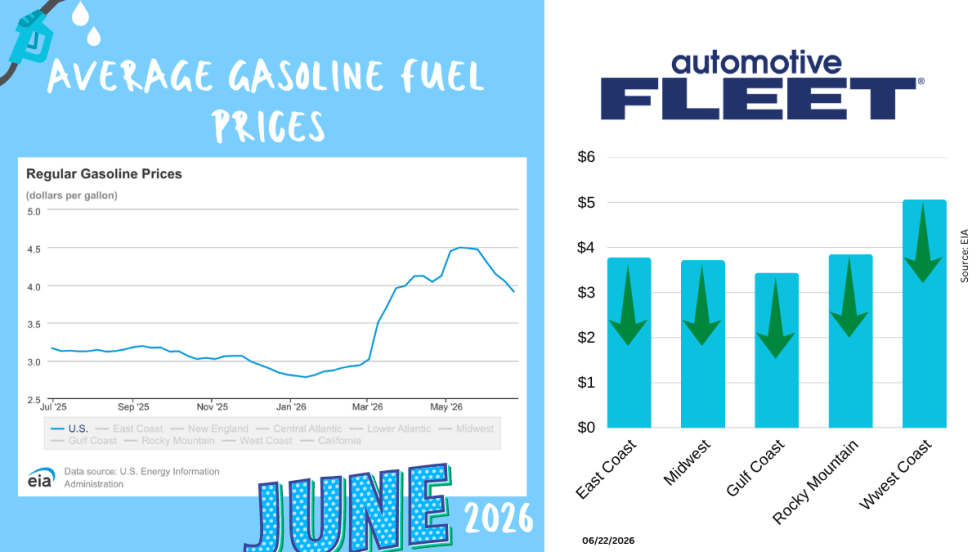
June Fuel Update: Prices Fall Below $4
Drivers are finally getting some relief at the pump. The national average gas price has dropped below $4 a gallon for the first time in months, with prices falling in 47 states as oil markets react to developments in U.S.-Iran negotiations.
Read More →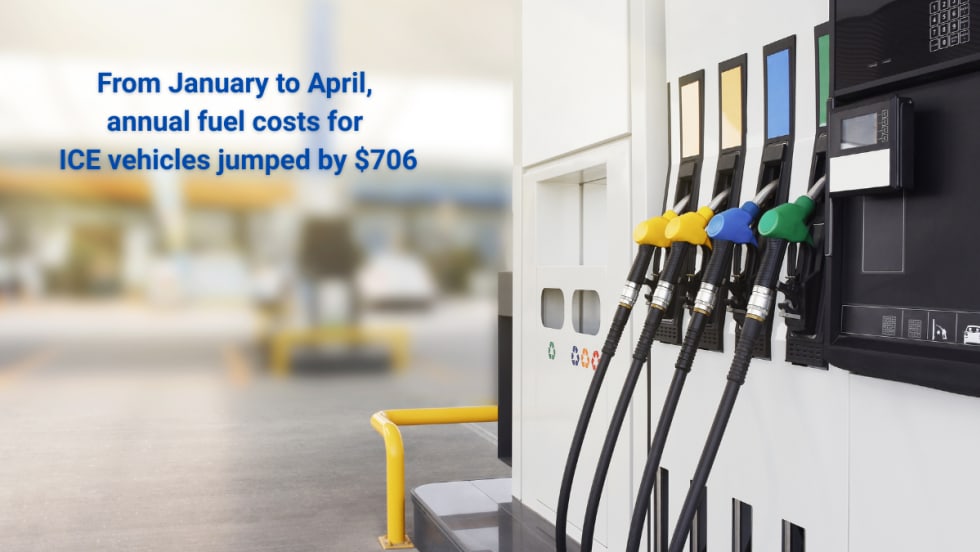
Study: How 2026's Gas Price Hikes Affect Different Vehicle Types
New data from iSeeCars reveals how rising fuel costs have affected different vehicle segments as gasoline prices climbed nearly 46% over the past four months.
Read More →
Are You Tracking Your Fleet's True Total Cost of Ownership?
Bobit Business Media surveyed 190 fleet professionals and found that while most fleets are tracking costs, fragmented systems and data gaps are keeping true TCO visibility out of reach. With rising pressure to control spend in an increasingly volatile environment, the gap between what fleets think they know and what the data actually shows is wider than you might expect. See how your peers are managing costs today and where the industry still has room to improve.
Read More →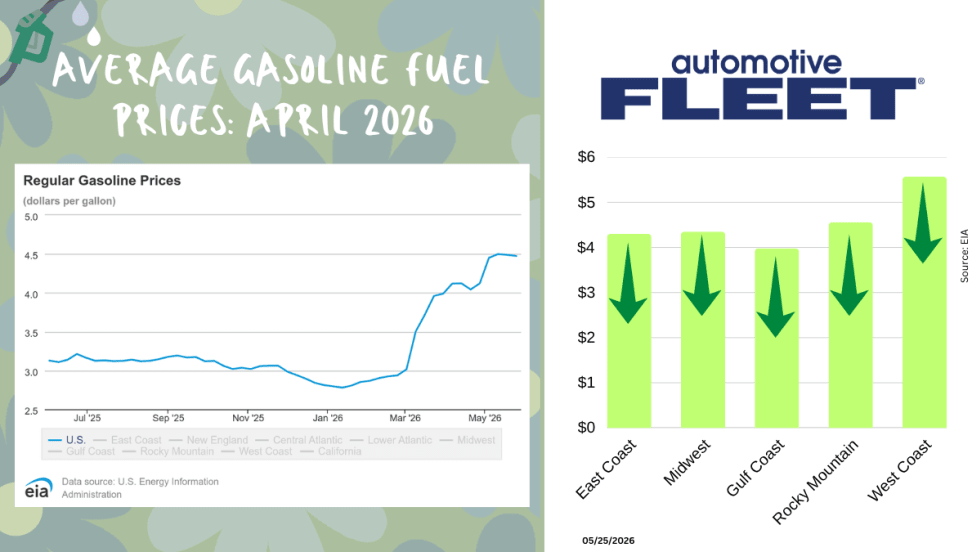
May Fuel Update: All Regions Experience Declines
Gas prices are finally easing in much of the country, but experts warn global tensions could quickly reverse the trend as the national average remains well above last month’s levels.
Read More →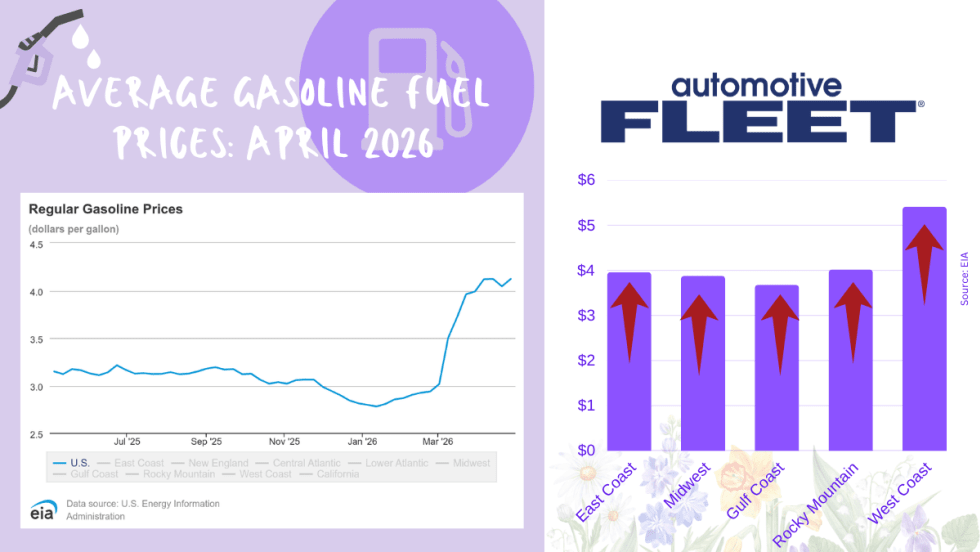
April Fuel Update: Prices Climb Above $4 as Spring Surge Accelerates
National average jumps to $4.04 per gallon, up sharply from last year, with West Coast prices topping $5 and further increases expected amid rising oil tensions.
Read More →
Tips from Fleet Managers on Saving Fuel Costs
Fleet leaders share practical strategies to reduce fuel spend through smarter policy, routing, and driver guidance.
Read More →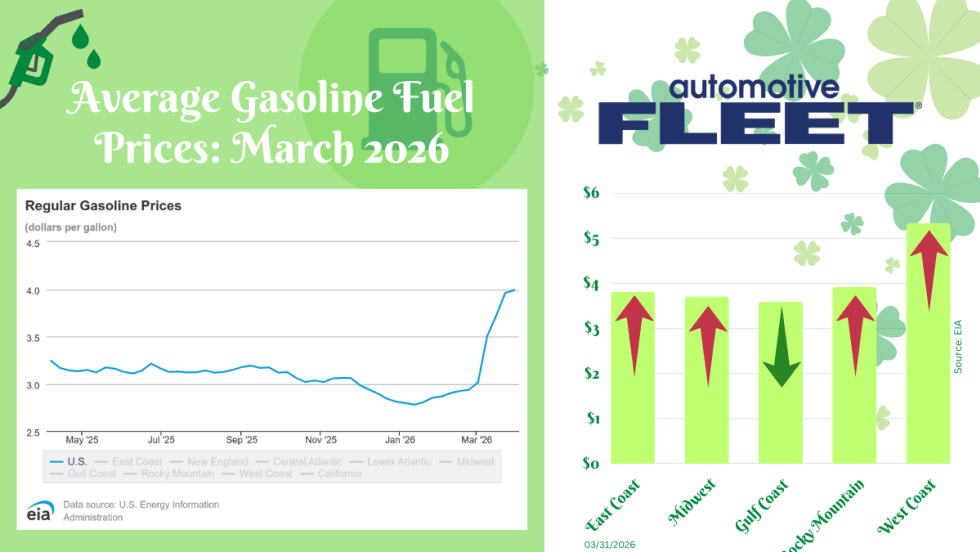
March Fuel Update: Prices Settle With a $4 Average
Fuel prices significantly slowed this week, but a $4 national average is still expected.
Read More →