




10 Takeaways from 1Q U.S. Auto Sales
Sales to fleet buyers were off notably last quarter – down 28% percent from Q1 2020 – but robust retail sales more than covered fleet’s shortfall and provided reason to believe new-vehicle sales have recovered from the pandemic meltdown.

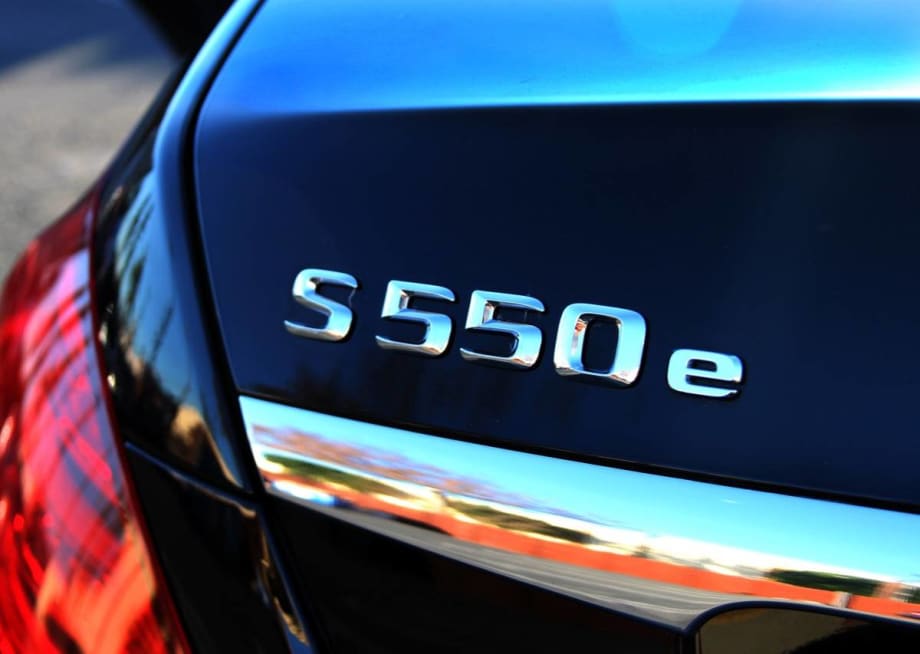
Trend No. 1: The rapid growth of electrified vehicle sales was the big theme in Q1, with sales of battery-powered vehicles – combined EVs, hybrids and plug-in hybrids – jumping by more than 60% year over year and now accounting for nearly 8% of the total market.
Photo: MOTEV
The Kelley Blue Book data team counted 3,908,738 automobiles sold in the first quarter of 2021, a healthy increase from the same period a year ago and helped by building momentum in March.
The total sales for the quarter might have been higher, our analysts note, if not for tight inventories and freak winter storms that pummeled much of the market in February. Sales to fleet buyers were off notably last quarter – down 28% percent from Q1 2020 – but robust retail sales more than covered fleet’s shortfall and provided reason to believe new-vehicle sales have recovered from the pandemic meltdown one year ago.
Kelley Blue Book’s final tally is provided in the traditional quarterly sales report below, and the team created a new quarterly report focused on sales of electrified vehicles in the U.S. Additionally, here are 10 takeaways from the first quarter of 2021.
The rapid growth of electrified vehicle sales was the big theme in Q1, with sales of battery-powered vehicles – combined EVs, hybrids and plug-in hybrids – jumping by more than 60% year over year and now accounting for nearly 8% of the total market. In Q1, there were nearly 300 different models available to consumers in the U.S.: More than 25% of those were either an EV or available as a hybrid. Read more: Electrified Vehicle Growth Energized in Q1.
The No. 1 segment in Q1 was the midsize crossover segment, a big, brutally competitive segment with nearly 30 players and hardly a dominant one, according to Kelley Blue Book’s view of the market. Ford Explorer is king, although as the Bard of Avon notes, “Uneasy lies the head that wears the crown.” Explorer’s leadership position, with less than 10% share in the segment, is hardly guaranteed.
As more automakers abandon the popular but shrinking compact and midsize car segments, Toyota has held pat. And it may be paying off. Corolla is the best-selling compact car, with more than 25% segment share, and the midsize Camry dominates its category, enjoying a 31.5% segment share.
In 2020, the Chevrolet Silverado outsold the full-size Ram Pickup and reclaimed its No. 2 status in the great pickup wars. Tight inventory for the Silverado and an energized Ram brand turned it around again in Q1 2021: Ram 148,836, Silverado 124,704. Of course, the No. 1 Ford keeps rolling. F-Series volume in Q1 was more than 200,000, making Ford’s full-size pickup the best-selling vehicle in America. There is no constant in the world, but F-Series on top might be close.
The average transaction price for a new Cadillac Escalade sold in Q1 was $102,183, according to the Kelley Blue Book analysis, an astounding sum. Even more astounding: Cadillac sold 9,842 Escalades last quarter, making the big Caddy the best-selling vehicle priced over $100,000.
Not to pile on, but the Fiat brand sold only 815 vehicles in the first quarter. That’s the sign of a brand in trouble. Toyota sold more than 815 Camrys every day last quarter.
Tesla continues to be the unchallenged leader in battery electric vehicle sales in the U.S., although its unchallenged status was beginning to be challenged in Q1. Slightly. In 2020, Team Musk delivered an 82% share of the EV market in the U.S. In Q1 2021, Tesla dropped to 70%. Still dominant, but once everyone joins the EV party, Tesla’s share is likely to head in one direction only.
Toyota hybrids were the big driver of the growth of battery-powered vehicle sales. For years, the Toyota Prius defined hybrid vehicles in our market, commanding upwards of 80% share of the hybrid market just a few years ago. That changed fast. The Prius is not even Toyota’s best-selling hybrid anymore. That’s now the RAV4 Hybrid, and the Toyota Sienna is No. 2. Toyota continues to be king of hybrids. More than 60% of hybrids sold in the U.S. come from Toyota Motor Company.
March was a big month for retail auto sales, and the historically strong players remained strong. Buyers had nearly 300 different models to choose from, but the 30 best-selling vehicles accounted for 49.4% of total sales volume.
When it comes to high-end luxury, the electric future may have already arrived. In Q1, the uber-luxury BMW 7 Series, Mercedes-Benz S-Class and Audi A8 – the chosen four-door chariots of the 1-percenters – were each outsold easily by high-end, four-door electrics: Audi e-tron, Porsche Taycan and Tesla Model S. Apparently, when you can buy anything, you buy electric
Originally posted on Vehicle Remarketing
More Green Fleet
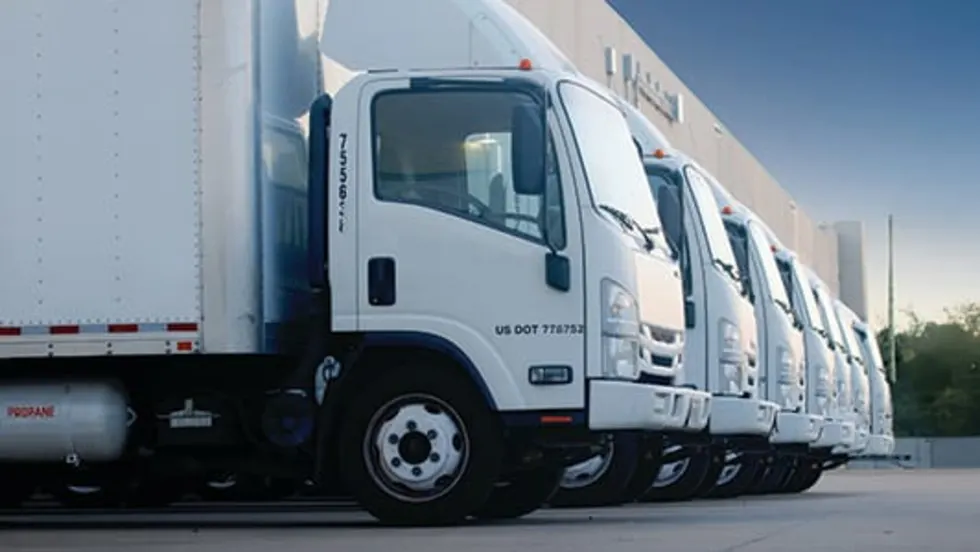
New Propane Autogas Program Offers Fleet Compensation
Qualified commercial fleets can receive $7,500 per eligible propane autogas vehicle and up to $10,000 for new refueling site prep. Learn how the program works and see whether your fleet qualifies.
Read More →
EV Charging Use Is Outpacing Infrastructure Growth
ChargePoint’s 2026 Charging Forward Report points to rising charger use, higher-powered charging, commercial vehicle electrification, and energy-management technology. Here’s what fleets should know.
Read More →
Merchants Fleet Reports 290M EV Miles as Fleets Navigate Changing Electrification Market
From millions in operating savings to hundreds of millions of EV miles, Merchants Fleet’s latest report reveals what’s working and what’s changing in fleet electrification.
Read More →
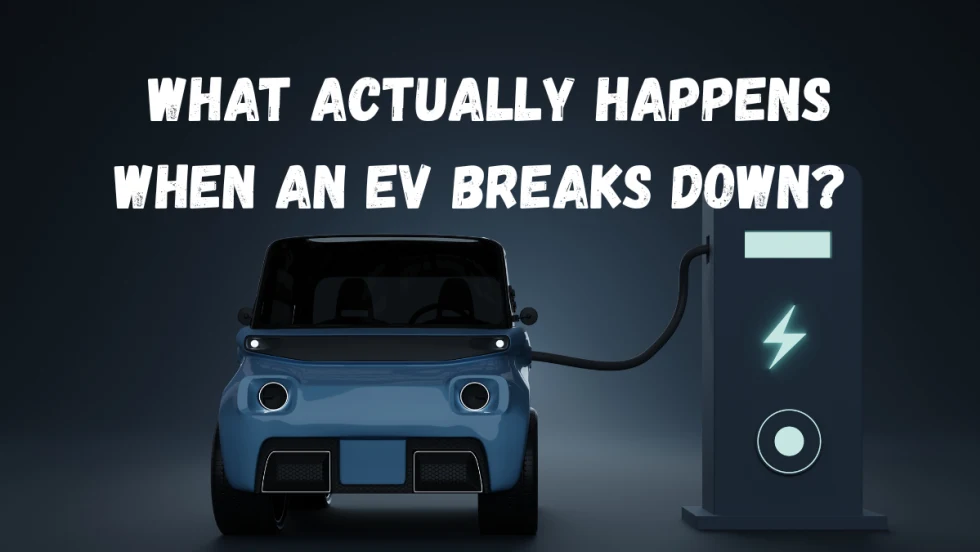
The EV Breakdown Nobody's Talking About: Why Most Electric Vehicle Roadside Calls Aren't Mechanical Failures
Here's why EV breakdowns are widely misunderstood.
Read More →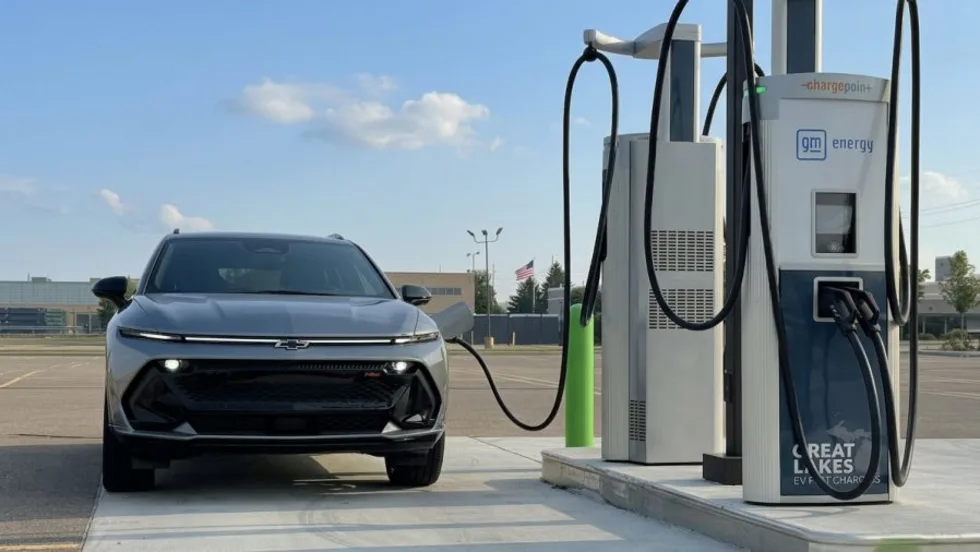
ChargePoint Now Available in Energy Pass
ChargePoint and additional planned charging network integrations were added to GM's Energy Pass.
Read More →

First Look: Slate Auto's Electric Fleet Pickup
Could an affordable, modular EV pickup make electrification more practical for fleets?
Read More →
Slate Debuts Colorful, Unique EV Models
A recent media and client event, studded with electric vehicles dressed up on platforms, planted a new position for the manufacturer in the wider EV market. Fleets will find cost-saving advantages.
Read More →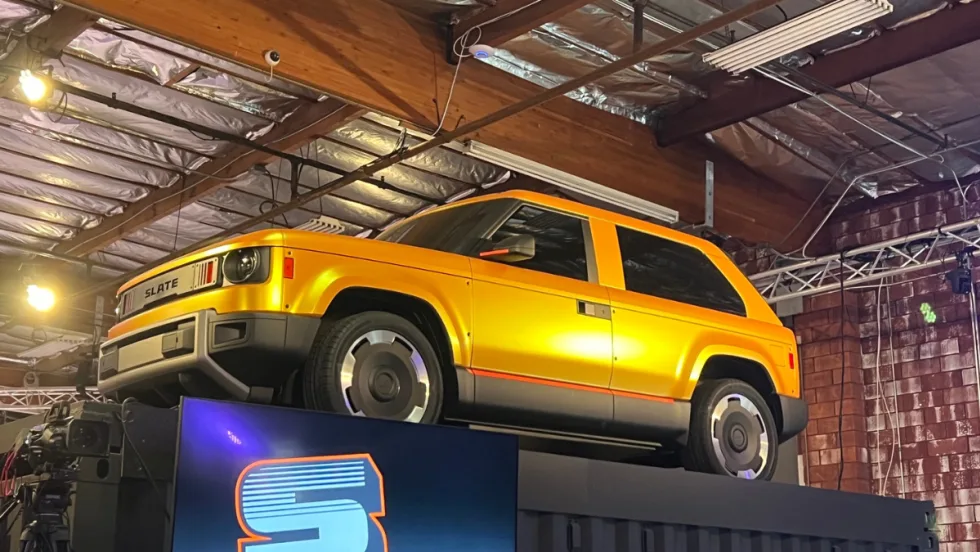
Slate Electric SUV, Pickup Switchable Model Aims For Light-Duty Fleets
Everything about this EV is counterintuitive and understated, making it stand out from the crowd.
Read More →
Inspiration Mobility Acquires Key Electrada Assets
Inspiration Mobility Group has acquired select assets of Electrada, adding the fleet electrification provider's team, technology, and charging infrastructure development capabilities to its energy management business.
Read More →