




Four Ways to Avoid Overloading
Each year, Automotive Fleet conducts an operating cost survey and a separate fleet maintenance expense survey. And each year, we find that the number one cause of unscheduled truck maintenance expense is overloading. This is a chronic problem for fleets and there are several factors causing it.
Each year, Automotive Fleet conducts an operating cost survey and a separate fleet maintenance expense survey. And each year, we find that the number one cause of unscheduled truck maintenance expense is overloading. This is a chronic problem for fleets and there are several factors causing it.
One reason is that companies seek to lower acquisition costs by selecting lower-GVW trucks. Although this strategy saves money on the front end, the inevitable overloading increases operating costs on the back end.
A second reason for spec'ing lower-GVW trucks is to avoid DOT regulations, which require drivers to have a commercial driver's license (CDL) to operate vehicles greater than 26,001 lbs. GVW. With the ongoing shortage of drivers, those with CDLs are difficult to find, and when found, are expensive to hire. The easy way to avoid this problem is to spec a truck with a lower GVW rating.
Four Ways to Avoid Overloading
There are four steps you can take to avoid overloading:
1. Select a Different Vehicle.
You may not need a larger vehicle to carry your desired payload, just a different vehicle. A cargo van may not be the best for your needs; you might do better with a pickup truck with a topper combination and pull-out shelving system, which can haul more weight.
2. Don’t Carry Unnecessary Items.
One way to avoid overloading a vehicle is to eliminate unnecessary equipment or shelving. Modify storage bin units to fit your needs. Clean out the unnecessary items. Carry only those items that you know you will need. If given an opportunity, drivers will carry everything they can conceivably fit into a vehicle.
3. Smarter Routing.
Schedule pick-ups to correspond to drop-offs. If applicable, employ a hub and spoke distribution system using a centralized hub vehicle, such as a large stepvan, rather than driving to a centralized warehouse. A large telecommunications fleet in Southern California, which is using smaller vehicles to make shorter trips to a hub vehicle, has adopted this approach.
4. Train Drivers on Proper Load
Distribution. Design loading areas that force workers to position freight correctly. Schedule the routes so that freight is positioned for weight distribution and not in the interest of delivery time. It is also important to train drivers on proper loading techniques so they don't create an unsafe situation. During the training process, don't forget to train forklift operators on proper freight distribution.
Investigate Firsthand
One of the best ways to determine if your vehicles are being overloaded is to go into the field and assess vehicle usage. There are several ways to determine overloading: a sagging rear-end, irregular tire wear, premature brake wear, and loose unresponsive suspension and steering. Drivers can be requesting the wrong vehicle for the application, and all the while the fleet manager thinks everything is fine.
If you're purchasing a vehicle and aren't sure of the application, you can always check with the Federal Motor Vehicle Safety Standards (FMVSS) to ensure the vehicle you're considering is compliant with FMVSS safety regulations.
Overloading creates an unsafe vehicle and increases liability exposure in the event of an accident. Consider the following:
Emergency handling capability of an overloaded vehicle is reduced, which may result in an accident.
Braking distance increases, which can cause drivers to misjudge stopping distances.
Tire failure rates are higher, because tires run hotter.
Plus, roadside weight checks (if applicable) could result in overloading fines and possible vehicle impoundment until the problem is corrected. It is also advisable to avoid modifying a vehicle to accommodate a heavier payload, such as changing tire sizes, adding spring kits, air shocks, heavy-duty brakes, and anti-sway kits. When you modify a vehicle, you create an unsafe situation by changing the integrity of the vehicle. In addition, this may affect the new-vehicle warranty and increase liability exposure if there is an accident. Let me know what you think.
More Blog Posts

Fleets Want Trust Restored with Suppliers
During this period of ongoing supply constraints, the trust that fleet managers had with OEMs, upfitters, and dealers has been strained. Fleet managers say they have had too many experiences over the past three years coping with erroneous information, adjusting to multiple price increases, and feeling betrayed by inadequate transparency from suppliers.
Read More →
Scheduled Replacement Cycles Are Becoming a Distant Memory
The ongoing difficulty in sourcing replacement vehicles is forcing companies to extend the service lives of vehicles that are unable to be replaced, which, inevitably, increases unscheduled maintenance expenses.
Read More →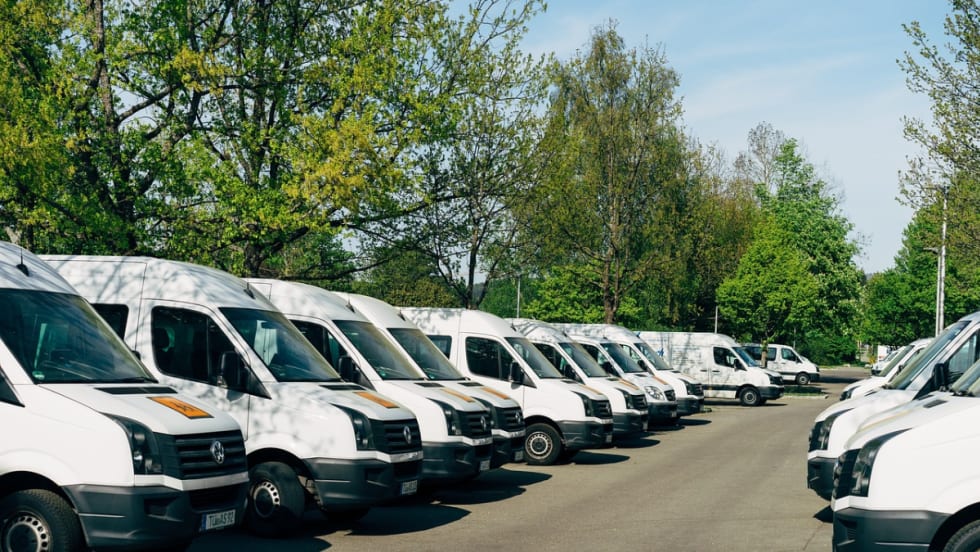
Fleet Simplification is the Antidote to Asset Variability
Fleet simplification identifies asset functions to uncover commonality among the equipment and assets. Simplification increases operational efficiency as end-users become accustomed to the controls, displays, and operation of less diverse units.
Read More →
The Dangers of Static Fleet Policies
A fleet policy is a living document, flexible enough to adapt to evolving business priorities, developing industry trends, and changing industry best practices and standards.
Read More →
Short-Term vs. Long-Term Cost Reductions
Corporate procurement staff are often driven by short-term, immediate cost reductions. However, a longer perspective to soft cost savings is critical because fixating on short-term results will hurt a company in the long run.
Read More →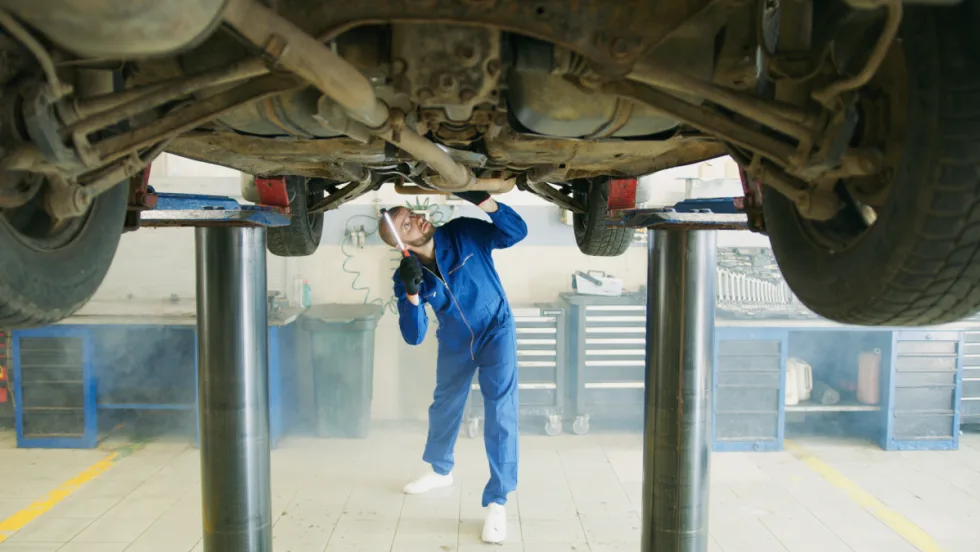
Uptick in Unscheduled Maintenance Increasing Vehicle Downtime
Fleet data analysis can identify recurring downtime issues. It’s important to determine the root causes of downtime so procedures can be developed to minimize such problems.
Read More →
Eliminate Needless Curb Weight to Maximize ICE & EV Efficiencies
Vehicle weight relates directly to fuel economy. In today’s era of electrification, there is also a direct correlation between vehicle weight and battery range.
Read More →
Tech Dependence Risks Dumbing Down Fleet Manager Expertise
The line between creative thinking and problem solving and doing what the data indicates is thin. To lead in fleet management, you need to balance understanding the fundamentals and embracing what smart technology offers.
Read More →
Leverage the Synergy of Safe Driving to Achieve Sustainability and Cost Goals
Safe driving, emission reductions, and cost containment can all be achieved at the same time.
Read More →
The Playbook for Fleet Manager Success
There are many paths to success — most of them involve being flexible, open-minded, and willing to learn.
Read More →