




'Fleet Creep' and Vehicle Over-Spec'ing Thwart Green Fleet Initiatives
The larger the vehicle, the greater the emissions. The more vehicles there are in a fleet, the greater the cumulative emissions. In every fleet operation, you will find employees driving larger-than-needed vehicles to fulfill the fleet application.

The larger the vehicle, the greater the emissions. The more vehicles there are in a fleet, the greater the cumulative emissions. In every fleet operation, you will find employees driving larger-than-needed vehicles to fulfill the fleet application.
Is your company over-spec’ing its vehicles? To answer that question, you first must determine what the vehicle must accomplish in its daily routine, such as payload requirements and cargo volume. Lower mileage, urban driving can accommodate a smaller engine that produces fewer emissions. However, it is necessary to periodically perform payload and weight analysis to determine the actual needs of your truck fleet and help configure the proper vehicle for the job.
A smaller, more aerodynamic vehicle can offer better fuel economy by creating less rolling wind resistance. But, many fleet drivers become comfortable with certain types of vehicles despite the fact that it may be overkill for the intended fleet application.
Combating ‘Fleet Creep’
Another common problem that thwarts sustainability initiatives is called “fleet creep,” in which the overall size of the fleet — both the size and quantity of the units within the fleet — slowly grow over time. Managing fleet size should be one of your top priorities, because that’s where your biggest emissions reductions and cost savings arise.
There should be a relentless focus on managing vehicle utilization, especially identifying underutilized vehicles and equipment. It is important to recognize that your company doesn’t have to own every conceivable unit necessary to conduct its business and, as an alternative, can rent infrequently utilized assets on an as-needed basis. If you want to reduce fuel consumption and emissions, consider these strategies:
Eliminate unnecessary or underutilized fleet assets.
Acquire newer, fuel-efficient vehicles on a regular replacement cycle. If you’re not updating your fleet on a regular basis, you’re operating less fuel-efficient vehicles.
Downsize vehicle fleet size where practical. For example, can you substitute smaller crossovers in lieu of full-size SUVs?
Fleet application dictates vehicle size. When spec’ing different vehicles, compare the weight of major components.
For example, some engines weigh several hundred pounds less than others with the same horsepower and torque. Some pumps are much lighter than others for similar flow and pressure ratings. Aluminum wheels can save hundreds of pounds over steel wheels, especially for trucks depending on the number of axles. However, decreasing the vehicle weight is a difficult challenge for OEMs, especially when mandated to comply with ever-stricter safety regulations, which require new onboard equipment, such as stability control or stiffer bodies that can withstand tougher roof crash standards.
In fact, the average weight of a vehicle in the U.S. and Japan has increased by 10 to 20 percent in the last 10 years, due to safety enhancements and increased onboard content.
Correlating Weight & Emissions
There’s a direct correlation between vehicle weight, fuel consumption, and greenhouse gas (GHG) emissions. Fleet managers should require drivers to eliminate weight that accumulates inside a vehicle. Fleet managers should institute a program to instruct drivers, on a quarterly basis, to remove all unnecessary items (weight) from their vehicles.
Ask field managers to enforce these fuel-saving tips and discourage drivers from using their vehicles as “rolling warehouses” to carry everything they may possibly need — just in case. Over the course of a vehicle assignment, drivers accumulate a “cargo” of dated sales materials, point-of-sale demos, and seldom-used tools carried in trunks, storage bins, and back seats. You’d be surprised how quickly pounds add up, especially when heavy tools and materials are carried.
In terms of trucks, not only are they filled with work-related materials, but they are also sometimes used for personal storage. Ask drivers to unload all excess equipment, tools, and shelving, and carry only needed items. If given leeway, drivers will carry everything they can conceivably fit into a vehicle. It is important to develop guidelines as to what may be carried in vehicles relative to tools, sales materials, and payload. Not only does unnecessary weight consume additional fuel, it poses a potential safety risk and causes unnecessary vehicle wear and tear.
Penny-Wise, Pound-Foolish
You should avoid the knee-jerk reaction to under-spec fleet vehicles to achieve greater fuel economy, because certain applications require larger vehicles. However, what I am saying is take a hard look at your fleet, and I guarantee you that you will discover hither-to-unnoticed, underutilized vehicles that should be eliminated and over-spec’ed vehicles that were designed to meet a driver preference versus the intended fleet application.
Let me know what you think.
More Blog Posts

Fleets Want Trust Restored with Suppliers
During this period of ongoing supply constraints, the trust that fleet managers had with OEMs, upfitters, and dealers has been strained. Fleet managers say they have had too many experiences over the past three years coping with erroneous information, adjusting to multiple price increases, and feeling betrayed by inadequate transparency from suppliers.
Read More →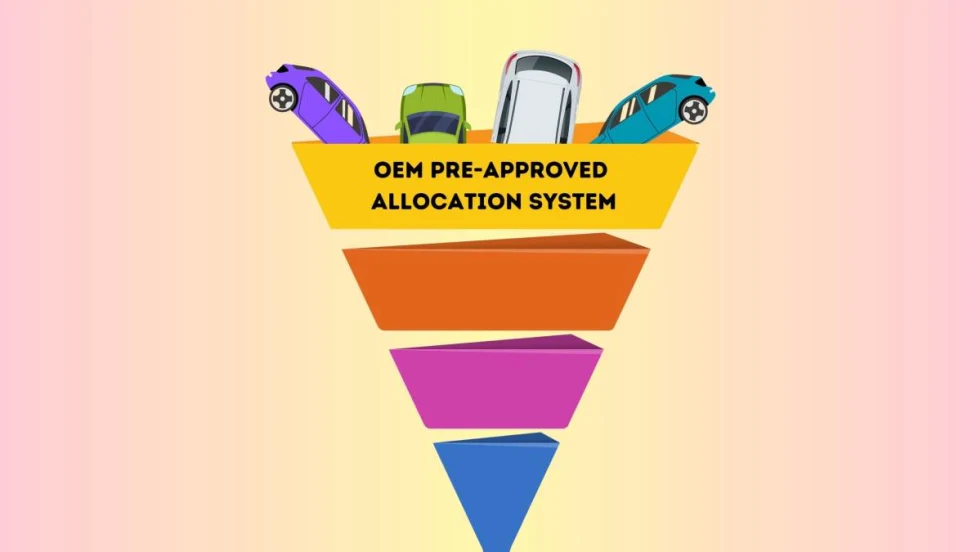
Scheduled Replacement Cycles Are Becoming a Distant Memory
The ongoing difficulty in sourcing replacement vehicles is forcing companies to extend the service lives of vehicles that are unable to be replaced, which, inevitably, increases unscheduled maintenance expenses.
Read More →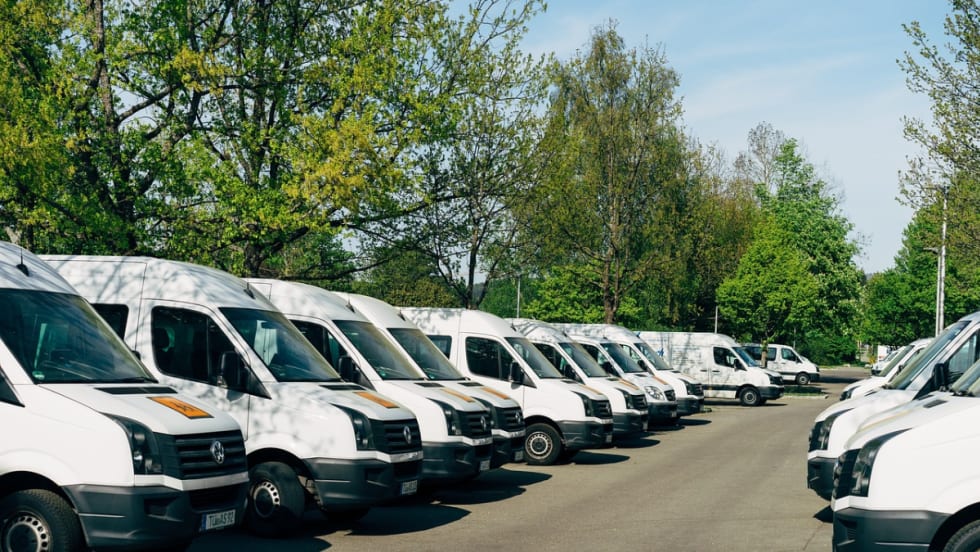
Fleet Simplification is the Antidote to Asset Variability
Fleet simplification identifies asset functions to uncover commonality among the equipment and assets. Simplification increases operational efficiency as end-users become accustomed to the controls, displays, and operation of less diverse units.
Read More →
The Dangers of Static Fleet Policies
A fleet policy is a living document, flexible enough to adapt to evolving business priorities, developing industry trends, and changing industry best practices and standards.
Read More →
Short-Term vs. Long-Term Cost Reductions
Corporate procurement staff are often driven by short-term, immediate cost reductions. However, a longer perspective to soft cost savings is critical because fixating on short-term results will hurt a company in the long run.
Read More →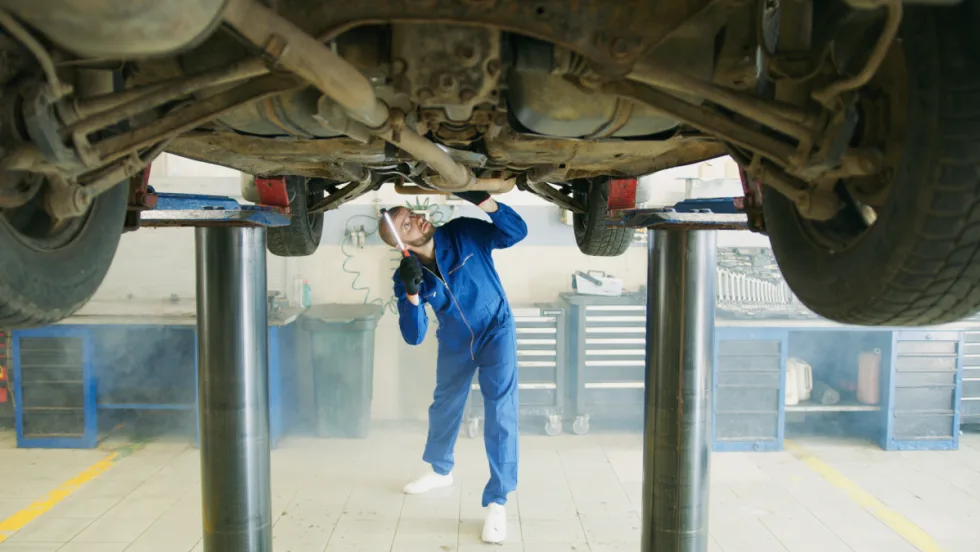
Uptick in Unscheduled Maintenance Increasing Vehicle Downtime
Fleet data analysis can identify recurring downtime issues. It’s important to determine the root causes of downtime so procedures can be developed to minimize such problems.
Read More →
Eliminate Needless Curb Weight to Maximize ICE & EV Efficiencies
Vehicle weight relates directly to fuel economy. In today’s era of electrification, there is also a direct correlation between vehicle weight and battery range.
Read More →
Tech Dependence Risks Dumbing Down Fleet Manager Expertise
The line between creative thinking and problem solving and doing what the data indicates is thin. To lead in fleet management, you need to balance understanding the fundamentals and embracing what smart technology offers.
Read More →
Leverage the Synergy of Safe Driving to Achieve Sustainability and Cost Goals
Safe driving, emission reductions, and cost containment can all be achieved at the same time.
Read More →
The Playbook for Fleet Manager Success
There are many paths to success — most of them involve being flexible, open-minded, and willing to learn.
Read More →