




Exceptions Are the Fatal Flaw to Fleet Policy
Any time you make an exception to fleet policy in resolving a driver-related problem, you may potentially create a new problem that will come back to haunt you in the future.

If your company is sued over a vehicle-related problem caused by an employee driver, it is important to know that the lawsuit decision may be based on prior precedents and exceptions you have made to your company vehicle policy.
Any time you make an exception to fleet policy in resolving a driver-related problem, you may potentially create a new problem that will come back to haunt you in the future. The last thing you want to do is to create a future problem in the course of resolving a current problem, and the surest way to do so is to make an exception to your company’s vehicle usage policy. An attorney can tear the most carefully developed fleet policy to shreds upon discovering the first precedent-setting exception and using it to argue negligent entrustment of a vehicle or negligent retention of an employee driver.
For instance, it is extremely important that the fleet policies governing the withdrawal of a company vehicle privilege be uniformly enforced for all employees. You should not set precedent by allowing exceptions, even if it involves a star salesperson or senior corporate officer. If your company becomes embroiled in litigation involving a company vehicle because of a problem driver, these exceptions and prior policy precedents will be used against you.
Communicating Fleet Policy to Drivers
As the fleet manager, it is your responsibility to establish policies governing company vehicles and communicate them to employee drivers. Make fleet policy easily accessible by drivers and managers by posting it on the company intranet. Each of your drivers should know the rules governing the use of a company vehicle. Not only should your drivers be aware of these rules, but they must also understand what actions will be taken for non-compliance. Your drivers need to understand the circumstances under which the company may revoke the use of a company vehicle. In extreme situations, you will be responsible to withdraw a problem driver’s privilege of using a company vehicle. Some reasons (but not all) for withdrawing the company vehicle privilege are:
A conviction or a guilty plea to driving a vehicle under the influence of alcohol or a controlled substance.
Abuse or misuse of the vehicle or failure to comply with the rules and procedures stipulated in your written company vehicle policy.
A conviction for impaired or reckless driving, such as repeated citations for cell phone use while driving.
Failure to remove ignition keys from the vehicle, which results in the vehicle being stolen or damaged.
Operating the company vehicle in an unsafe condition after being notified of this unsafe condition and failing to take actions to correct the problem.
Leaving the scene of an accident without making the required reports to the fleet department and appropriate law enforcement agency.
The point to stress is that these rules must be uniformly enforced to all employees. If litigation should occur as a result of an employee driving a company vehicle, the plaintiff’s attorney will ask to review your written fleet policy guidelines. Prior exceptions to fleet policy, if found, will render you and your company vulnerable to negligent entrustment or negligent retention allegations.
Keep Fleet Policy Relevant to Today’s Needs
Your fleet policy should be a living document that is updated annually. As changes occur within your company, revise your procedures to reflect these changes. Likewise, eliminate those policies that have become outdated. What was right yesterday may not be right today.
When developing or reevaluating fleet policy, solicit the participation of all affected departments, such as sales, administration, purchasing, and accounting, along with all vehicle user groups. By involving them in the decision-making process, you will increase the likelihood of their buy-in and support of fleet policies. Also, as part of your annual fleet policy review, you should survey drivers to give them an opportunity to express their opinions or dissatisfaction about fleet policies that govern them.
Don’t Break this Rule
Everything written on this page can be summarized in a one-sentence rule: There should be no exceptions to your company vehicle usage policies. This should be the First Commandment of any fleet policy.
As the fleet manager, it is up to you never to break this rule.
Let me know what you think.
More Blog Posts

Fleets Want Trust Restored with Suppliers
During this period of ongoing supply constraints, the trust that fleet managers had with OEMs, upfitters, and dealers has been strained. Fleet managers say they have had too many experiences over the past three years coping with erroneous information, adjusting to multiple price increases, and feeling betrayed by inadequate transparency from suppliers.
Read More →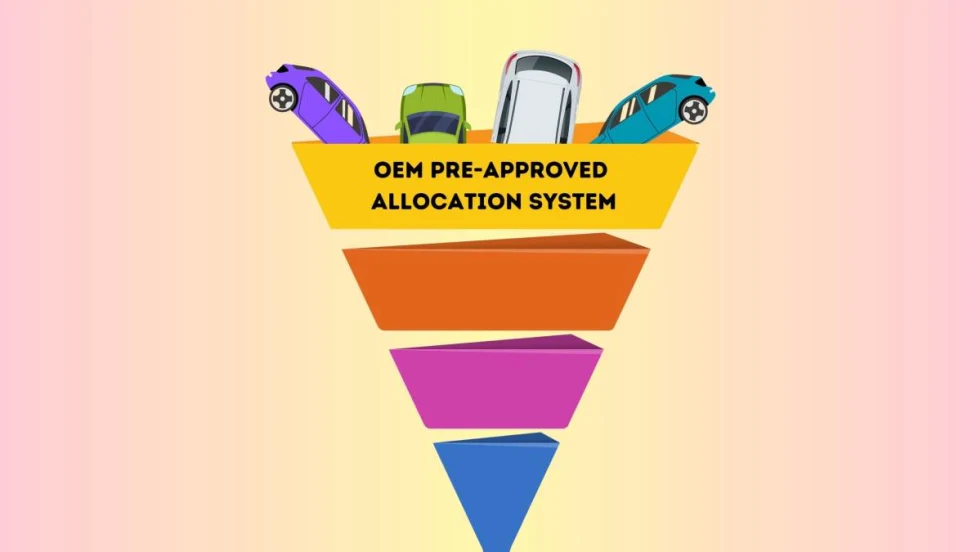
Scheduled Replacement Cycles Are Becoming a Distant Memory
The ongoing difficulty in sourcing replacement vehicles is forcing companies to extend the service lives of vehicles that are unable to be replaced, which, inevitably, increases unscheduled maintenance expenses.
Read More →
Fleet Simplification is the Antidote to Asset Variability
Fleet simplification identifies asset functions to uncover commonality among the equipment and assets. Simplification increases operational efficiency as end-users become accustomed to the controls, displays, and operation of less diverse units.
Read More →
The Dangers of Static Fleet Policies
A fleet policy is a living document, flexible enough to adapt to evolving business priorities, developing industry trends, and changing industry best practices and standards.
Read More →
Short-Term vs. Long-Term Cost Reductions
Corporate procurement staff are often driven by short-term, immediate cost reductions. However, a longer perspective to soft cost savings is critical because fixating on short-term results will hurt a company in the long run.
Read More →
Uptick in Unscheduled Maintenance Increasing Vehicle Downtime
Fleet data analysis can identify recurring downtime issues. It’s important to determine the root causes of downtime so procedures can be developed to minimize such problems.
Read More →
Eliminate Needless Curb Weight to Maximize ICE & EV Efficiencies
Vehicle weight relates directly to fuel economy. In today’s era of electrification, there is also a direct correlation between vehicle weight and battery range.
Read More →
Tech Dependence Risks Dumbing Down Fleet Manager Expertise
The line between creative thinking and problem solving and doing what the data indicates is thin. To lead in fleet management, you need to balance understanding the fundamentals and embracing what smart technology offers.
Read More →
Leverage the Synergy of Safe Driving to Achieve Sustainability and Cost Goals
Safe driving, emission reductions, and cost containment can all be achieved at the same time.
Read More →
The Playbook for Fleet Manager Success
There are many paths to success — most of them involve being flexible, open-minded, and willing to learn.
Read More →