




Collapse of Oil Prices and Ruble Devaluation Negatively Impacting Russian Fleet Market
The Russian economy is in a recession, with the gross domestic product (GDP) shrinking 3% in 2015. This economic downturn is widespread, with output falling in key sectors of the economy. The overall fleet demand in the Russian market is down, primarily due to the volatility in the exchange rates for the ruble and its impact on new-vehicle pricing.

The Russian economy is in a recession, with the gross domestic product (GDP) shrinking 3% in 2015. This economic downturn is widespread, with output falling sharply in various key sectors of the economy, including manufacturing, construction, and retail trade.
The overall fleet demand in the Russian market is down, primarily due to the volatility in the exchange rates for the ruble and its impact on new-vehicle pricing. Although important, corporate fleets in Russia have a modest market share of 6% (or 2.5 million units) out of the 43.3 million total vehicles on the road. The current top OEM suppliers to Russian corporate fleets are Ford, Volkswagen, and Renault. (Previously, Opel was a strong player in Russian fleet sales, but it has since withdrawn from the market due to the current economic environment.)
The downturn in the Russian economy stems from three major factors, which have stifled consumer automotive demand and commercial fleet spending.
The first is the fall in the price of oil in 2014, due to a global oversupply. Crude oil is a major export of Russia, with roughly half of the Russian Federation’s governmental revenue coming from the sale of oil and gas.
The second factor that triggered the current recession was the international economic sanctions imposed on Russia following its annexation of Crimea from the Ukraine.
The third factor was the collapse of the Russian ruble beginning in the second half of 2014. The ruble has declined 54% against the U.S. dollar since the start of 2014, including a 17% depreciation since January 2016. The slide in the ruble’s exchange rate has been a drag on the retail and fleet segments of the Russian automotive industry since it raises the cost of imported vehicles. As a cost-avoidance strategy, almost a third of Russian fleets are expected to lengthen the service lives of company vehicles.
A growing trend in the Russian fleet market has been the downsizing of the total number of vehicles in individual fleets. Many Russian fleets have initiatives to rightsize to better match recessionary business needs with a likewise appropriate number of vehicles. In addition, most fleets are experiencing cost pressure with a sizeable percentage of them expecting these cost pressures to increase even further.
Today, the Russian commercial heavy-truck market is also in crisis. Eight years ago, the market for heavy commercial vehicles over 6 tons grew rapidly in the years after the crisis of 2008 and 2009. In 2012, 134,000 units were sold, its highest-ever annual volume; however, starting in 2013, the heavy-truck market contracted markedly, with new registrations falling by 22% to 105,000. In 2014, commercial heavy truck sales decreased another 23%, falling to 81,000 units. In 2015, annual demand was down again by roughly 25% to approximately 61,000 new vehicles. Within three years, the Russian commercial heavy-truck market lost more than half its volume. Unfortunately, no one is forecasting a heavy-truck sales turnaround for the immediate future.
Vehicle Funding Preferences
There are growing restrictions on capital expenditures at Russian companies, which are making some fleets consider vehicle leasing as an alternative to purchasing their assets. Outright purchase is the dominant method for fleet acquisition in Russia, accounting for 77% of all vehicle acquisitions, while financial leasing is the second largest funding method at 19%. Full-service operating leases have a 4% share and are in the very early stages of development in the Russian fleet market.
The continuing price inflation fueled by a very weak currency is a major challenge for Russian auto sales to both consumers and commercial buyers. IHS Automotive, and the Association of European Businesses, both of whom monitor the Russian automotive market, predict another sales decrease in calendar-year 2016. According to the Russian business unit of PricewaterhouseCoopers, Russian car sales may fall another 14% in 2016 if the country’s economy continues into a second year of recession.
“New-car price increases due to ruble devaluation, may force international companies to focus their fleet purchases on domestic car makes (alliances such AutoVAZ, a joint venture of the Renault-Nissan Alliance and Russian company Rostec), which manufactures models such as Lada Vesta and Lada Largus,” said Leonid Sysoev, commercial director for ALD Automotive Russia.
In addition, the current financial climate is having an adverse effect on automotive dealers. “All over Russia, there has been a reduction in the dealer network due to dealer bankruptcies,” said Sysoev.
Another initiative by the Russian government is to coax consumers into buying cars by offering subsidies on auto loans and discounts for drivers willing to trade-in their old vehicles. The government is attempting to shore up the market by reintroducing a “cash for clunkers” car-scrapping program that provides incentives for owners to trade in old cars for newer Russian-made models.
In addition to acquisition prices, the ruble devaluation has increased other aspects of the total cost of ownership for company vehicles. “There have been significant increases in labor cost and the price of spare parts at official dealerships due to ruble devaluation,” said Sysoev. This has put upward pressure on fleet maintenance costs.
Other fleet expenses, such as insurance premiums, have also increased. In order to drive any vehicle in Russia, a driver is mandated to have, at a minimum, compulsory motor third-party liability insurance (CMTPL). This insurance policy offers very limited coverage, so it is advisable to purchase additional insurance if driving a company vehicle in Russia. For foreign drivers, it is recommended to take out additional insurance above the compulsory CMTPL insurance, such as comprehensive and collision insurance (CASCO) coverage. However, not all companies heed this advice and, during tight fiscal times, do not add the supplemental CASCO insurance.
“Rejecting to insure fleets with the CASCO package for the sake of cost savings will have a potential boomerang effect of increasing of repair costs in the future,” added Sysoev.
In addition, the ruble’s decline has made it more expensive for fleets and consumers to finance vehicles. In December 2014, the Bank of Russia hiked its key lending rate to 17.5%, in a move to stem the fall of the ruble. This drove interest rates on car loans up to more than 20%, which had an immediate negative impact on the automotive industry. About 40 percent of all car sales involved credit in 2014. In 2015, following the intervention by the Russian government, that number dropped to less than 15%.
Since then, the combination of subsidies and a gradual reduction in the Russian central bank’s key rate to 11.5% has helped increase the share of vehicles bought on credit. The support program is aimed at domestically produced budget cars, with subsidies applying only to cars priced at 1 million rubles (US$17,000) or less. Vehicles in this price range make up 64% of all car sales in Russia. As a result, buyer demand is shifting toward less expensive cars.
Let me know what you think.
More Blog Posts

Fleets Want Trust Restored with Suppliers
During this period of ongoing supply constraints, the trust that fleet managers had with OEMs, upfitters, and dealers has been strained. Fleet managers say they have had too many experiences over the past three years coping with erroneous information, adjusting to multiple price increases, and feeling betrayed by inadequate transparency from suppliers.
Read More →
Scheduled Replacement Cycles Are Becoming a Distant Memory
The ongoing difficulty in sourcing replacement vehicles is forcing companies to extend the service lives of vehicles that are unable to be replaced, which, inevitably, increases unscheduled maintenance expenses.
Read More →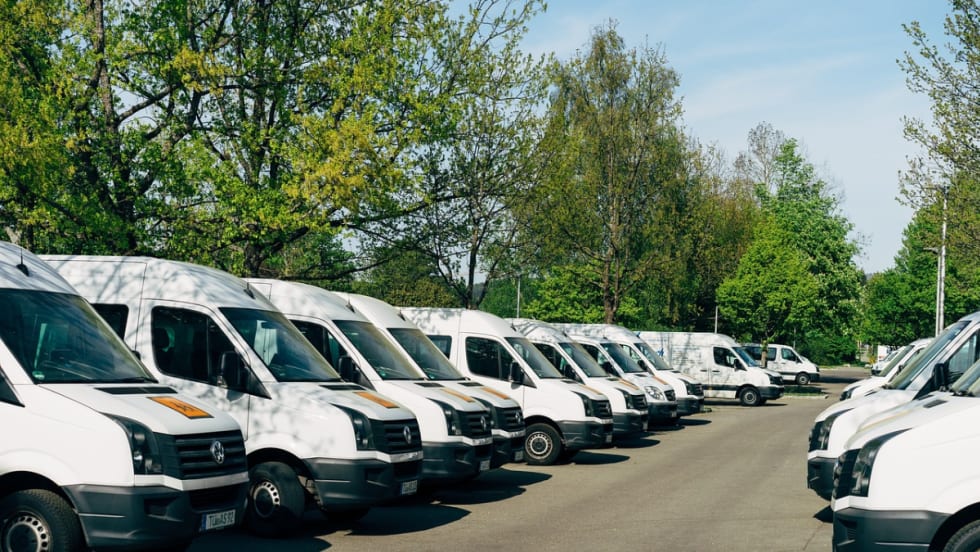
Fleet Simplification is the Antidote to Asset Variability
Fleet simplification identifies asset functions to uncover commonality among the equipment and assets. Simplification increases operational efficiency as end-users become accustomed to the controls, displays, and operation of less diverse units.
Read More →
The Dangers of Static Fleet Policies
A fleet policy is a living document, flexible enough to adapt to evolving business priorities, developing industry trends, and changing industry best practices and standards.
Read More →
Short-Term vs. Long-Term Cost Reductions
Corporate procurement staff are often driven by short-term, immediate cost reductions. However, a longer perspective to soft cost savings is critical because fixating on short-term results will hurt a company in the long run.
Read More →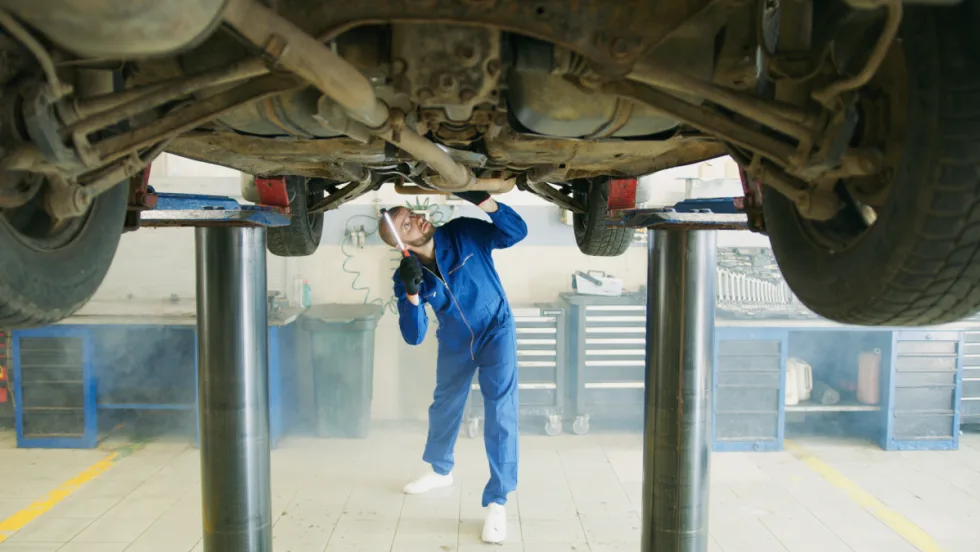
Uptick in Unscheduled Maintenance Increasing Vehicle Downtime
Fleet data analysis can identify recurring downtime issues. It’s important to determine the root causes of downtime so procedures can be developed to minimize such problems.
Read More →
Eliminate Needless Curb Weight to Maximize ICE & EV Efficiencies
Vehicle weight relates directly to fuel economy. In today’s era of electrification, there is also a direct correlation between vehicle weight and battery range.
Read More →
Tech Dependence Risks Dumbing Down Fleet Manager Expertise
The line between creative thinking and problem solving and doing what the data indicates is thin. To lead in fleet management, you need to balance understanding the fundamentals and embracing what smart technology offers.
Read More →
Leverage the Synergy of Safe Driving to Achieve Sustainability and Cost Goals
Safe driving, emission reductions, and cost containment can all be achieved at the same time.
Read More →
The Playbook for Fleet Manager Success
There are many paths to success — most of them involve being flexible, open-minded, and willing to learn.
Read More →